
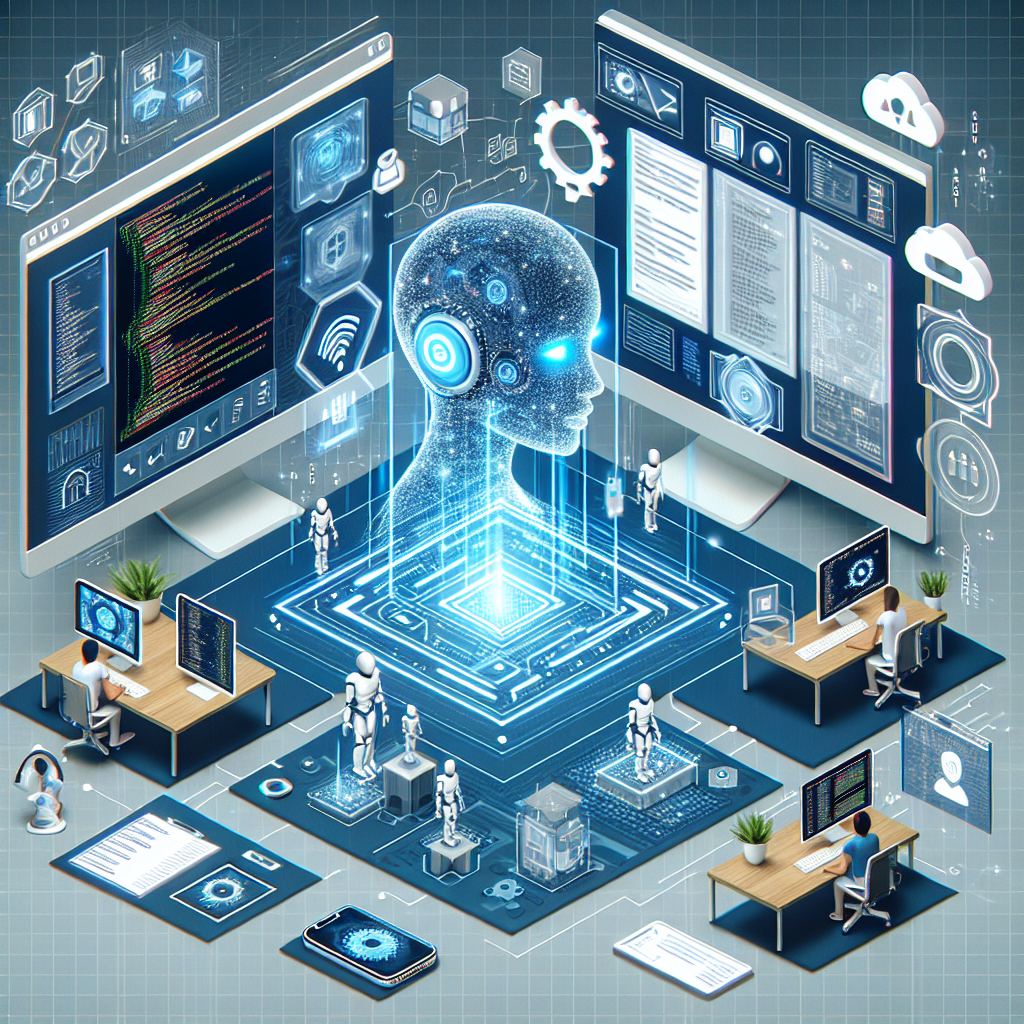
Artificial Intelligence (AI) has revolutionized many industries, and the gaming industry is no exception. AI technology has been increasingly integrated into game development and project management processes to improve efficiency, enhance player experiences, and streamline workflows.
Game Project Management with AI
Game development is a complex and multifaceted process that involves various stakeholders, including designers, programmers, artists, and testers. Managing a game project requires careful planning, coordination, and communication to ensure that the final product meets the desired quality standards and is delivered on time and within budget.
AI technology can play a crucial role in assisting game project managers in various aspects of project management. Here are some key ways in which AI is being used in game project management:
1. Automated Project Scheduling: AI-powered project management tools can analyze project requirements, resource availability, and dependencies to create optimized project schedules. These tools can automatically adjust schedules in real-time based on changes in project scope, resource availability, or external factors, helping project managers to stay on track and meet project deadlines.
2. Resource Allocation: AI algorithms can analyze historical project data, team performance, and resource availability to optimize resource allocation and staffing for game projects. By identifying potential bottlenecks and resource constraints, AI can help project managers to allocate resources more effectively, reduce project risks, and improve team productivity.
3. Risk Management: AI can help project managers to identify and mitigate project risks by analyzing historical data, project performance metrics, and external factors that may impact project outcomes. AI-powered risk management tools can provide early warning signals of potential risks, recommend risk mitigation strategies, and help project managers to make informed decisions to minimize project risks.
4. Quality Assurance: AI-powered testing tools can automate the process of testing game features, identifying bugs, and providing feedback to developers. By using AI for quality assurance, project managers can ensure that the game meets the desired quality standards, reduce testing time and costs, and improve overall game performance.
5. Player Behavior Analysis: AI algorithms can analyze player behavior data, in-game interactions, and player feedback to provide insights into player preferences, engagement patterns, and playing habits. By understanding player behavior, project managers can make data-driven decisions to optimize game design, features, and monetization strategies to enhance player experiences and maximize player retention.
6. Personalized Content Recommendations: AI-powered recommendation systems can analyze player data, preferences, and playing history to provide personalized content recommendations, such as in-game challenges, rewards, or in-app purchases. By offering personalized content recommendations, project managers can increase player engagement, retention, and monetization opportunities.
FAQs
Q: How can AI help improve project communication and collaboration in game development?
A: AI-powered project management tools can facilitate communication and collaboration among team members by providing real-time updates, notifications, and alerts on project progress, milestones, and tasks. AI can also analyze team communication patterns, identify potential bottlenecks, and recommend communication strategies to improve team collaboration and productivity.
Q: What are the potential challenges of using AI in game project management?
A: Some potential challenges of using AI in game project management include data privacy and security concerns, integration with existing project management tools and workflows, and the need for specialized AI skills and expertise. It is important for project managers to carefully evaluate the benefits and risks of using AI in game project management and ensure that appropriate safeguards are in place to address potential challenges.
Q: How can project managers leverage AI to optimize game development processes?
A: Project managers can leverage AI to optimize game development processes by automating repetitive tasks, such as project scheduling, resource allocation, and quality assurance, and by using AI to analyze project data, identify trends, and make data-driven decisions. By integrating AI into game development processes, project managers can improve efficiency, reduce costs, and deliver high-quality games to players.
In conclusion, AI technology has the potential to transform game project management by automating tasks, optimizing processes, and providing valuable insights to project managers. By incorporating AI into game development workflows, project managers can improve project outcomes, enhance player experiences, and stay competitive in the rapidly evolving gaming industry.