
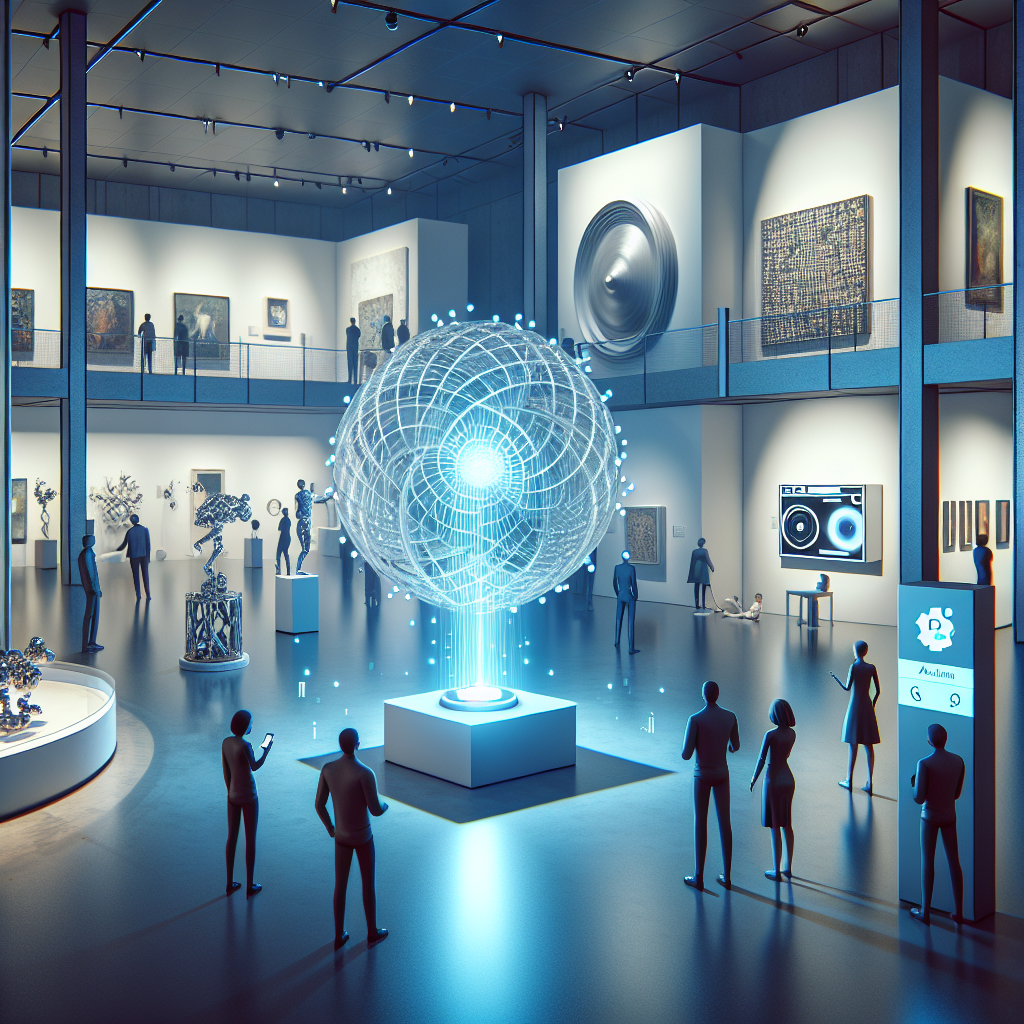
Artificial Intelligence (AI) and interactive installation art have become increasingly popular in recent years, as artists and technologists alike explore new ways to engage viewers and create immersive experiences. By combining the power of AI with interactive technologies, artists are able to create works that respond to the presence and actions of viewers in real-time, blurring the lines between art and technology.
Interactive installation art has a long history, dating back to the 1960s and 70s when artists like Nam June Paik and Dan Graham began experimenting with video and sound installations that invited viewer participation. These early works laid the foundation for the interactive art installations we see today, which often incorporate sensors, cameras, and other technologies to create dynamic and engaging experiences.
AI has also played a significant role in the evolution of interactive art, providing artists with powerful tools for creating works that adapt and respond to the behavior of viewers. By using machine learning algorithms, artists can create artworks that learn from and interact with viewers, creating personalized and unique experiences for each individual.
One of the key benefits of using AI in interactive art is the ability to create works that are truly responsive and dynamic. Traditional interactive installations often rely on pre-programmed responses to viewer actions, which can limit the range of interactions possible. By contrast, AI-powered installations can adapt and evolve over time, responding to the behavior of viewers in ways that are unpredictable and engaging.
For example, artist Refik Anadol’s “Machine Hallucination” is an AI-powered installation that creates a constantly evolving virtual reality experience based on the input of viewers. Using machine learning algorithms, the installation generates a unique visual landscape that responds to the movements and gestures of viewers, creating a mesmerizing and immersive experience.
Another example is artist Rafael Lozano-Hemmer’s “Pulse Room,” which uses AI to create a dynamic light installation that responds to the heartbeats of viewers. By connecting viewers to sensors that measure their heart rate, the installation creates a pulsating light display that mirrors the rhythm of their heartbeat, creating a visceral and deeply personal experience.
In addition to creating immersive and interactive experiences, AI-powered installations also raise important questions about the role of technology in art and society. As AI becomes increasingly integrated into our daily lives, artists are using interactive installations to explore the implications of this technology on our perceptions of reality, identity, and communication.
For example, artist Lauren Lee McCarthy’s “Follower” is an AI-powered installation that explores the relationship between technology and social media. The installation uses a machine learning algorithm to track and analyze the movements of viewers, creating a digital “follower” that mimics their behavior in real-time. By blurring the boundaries between the physical and digital worlds, the installation raises questions about surveillance, privacy, and the ways in which technology shapes our relationships with others.
As AI and interactive installation art continue to evolve, it is important for viewers to engage critically with these works and consider the implications of the technologies used. By asking questions about the role of AI in art, the ethics of data collection and surveillance, and the ways in which technology mediates our interactions with the world, viewers can deepen their understanding of these innovative and thought-provoking works.
FAQs:
Q: How does AI work in interactive installation art?
A: AI in interactive installation art typically involves the use of machine learning algorithms that analyze data from sensors, cameras, or other sources to create dynamic and responsive artworks. These algorithms can adapt and learn from the behavior of viewers, creating personalized and engaging experiences.
Q: What are some examples of AI-powered interactive art installations?
A: Examples of AI-powered interactive art installations include Refik Anadol’s “Machine Hallucination,” Rafael Lozano-Hemmer’s “Pulse Room,” and Lauren Lee McCarthy’s “Follower.” These installations use AI to create immersive and dynamic experiences that respond to the presence and actions of viewers.
Q: What are some of the ethical considerations involved in using AI in interactive art?
A: Ethical considerations in AI-powered interactive art include issues related to data privacy, surveillance, and the ways in which technology mediates our interactions with the world. Artists and viewers alike must consider the implications of using AI in art and engage critically with these technologies.
Q: How can viewers engage with AI-powered interactive art installations?
A: Viewers can engage with AI-powered interactive art installations by interacting with the artworks and considering the ways in which the technology responds to their actions. By asking questions about the role of AI in art and reflecting on the implications of these technologies, viewers can deepen their understanding of these innovative works.