
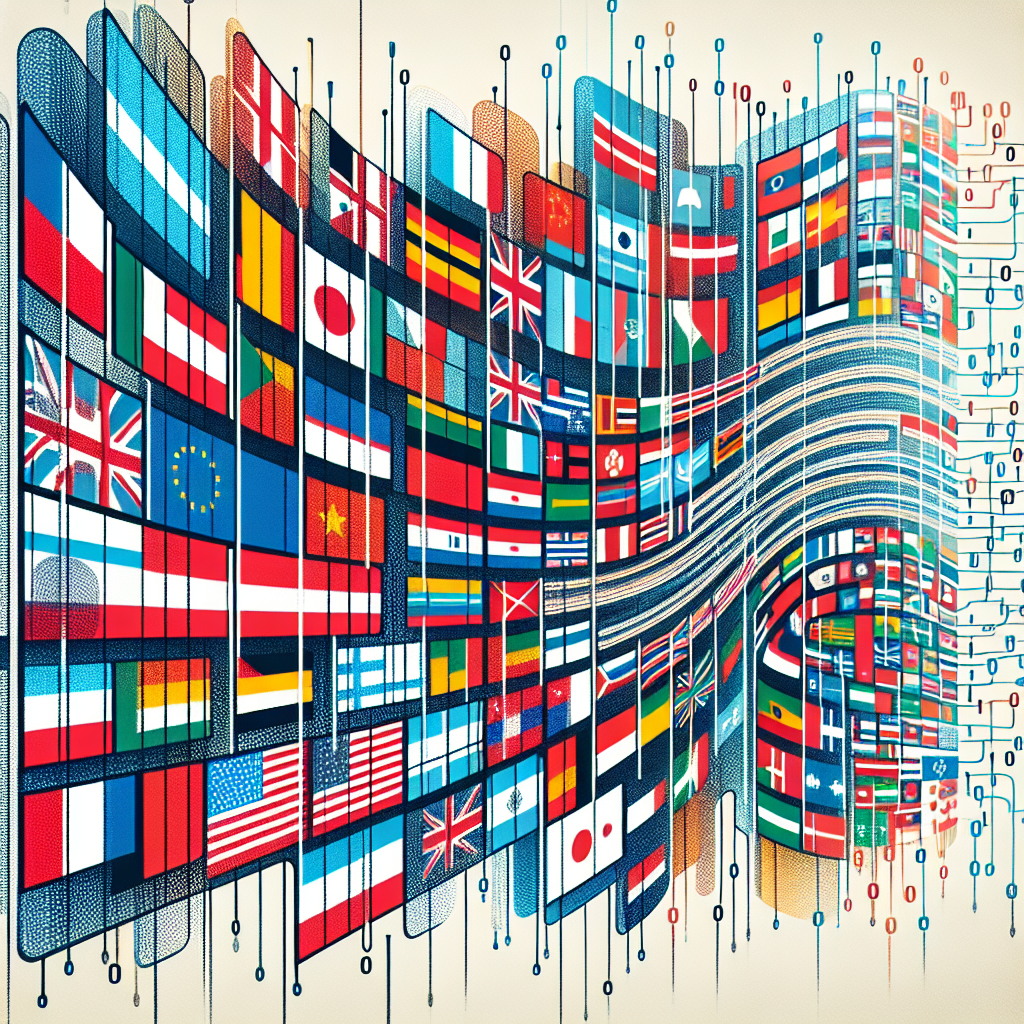
Artificial Intelligence (AI) has revolutionized many industries, and international journalism is no exception. With the rise of AI-powered translation tools and language processing algorithms, journalists can now break down language barriers and communicate with audiences around the world in real-time. This has opened up new opportunities for global reporting and storytelling, as well as increased the accessibility of news and information for people who speak different languages.
AI in International Journalism
AI technology has made it possible for journalists to translate articles, videos, and other media content into multiple languages quickly and accurately. This has helped news organizations reach a wider audience and engage with readers in different regions of the world. AI-powered translation tools can also help journalists gather information from foreign sources and conduct interviews with people who speak different languages.
In addition to translation, AI algorithms can help journalists analyze large amounts of data and identify trends and patterns in global news coverage. This can help journalists uncover important stories and provide insights into complex geopolitical issues. AI can also be used to fact-check information and verify the credibility of sources, which is essential in today’s digital age where misinformation and fake news are rampant.
One of the most significant advantages of AI in international journalism is its ability to provide real-time updates and breaking news alerts in multiple languages. This can help journalists cover major events and crises around the world more efficiently and keep audiences informed as events unfold. AI can also be used to personalize news content for individual readers based on their interests and preferences, making journalism more engaging and relevant to diverse audiences.
Challenges and Limitations
While AI has many benefits for international journalism, there are also challenges and limitations to consider. One of the main challenges is the accuracy of AI-powered translation tools, which may not always provide a perfect translation of complex or nuanced language. This can lead to misunderstandings and misinterpretations of news content, especially in sensitive or high-stakes situations.
Another challenge is the potential for bias in AI algorithms, which can impact the quality and objectivity of news reporting. AI algorithms are only as good as the data they are trained on, and if the data is biased or incomplete, the algorithm may produce biased results. This can lead to inaccurate or misleading news coverage, which can undermine the credibility of journalists and news organizations.
Furthermore, AI technology is not always accessible or affordable for all journalists and news organizations, especially those in developing countries or regions with limited resources. This can create a digital divide in international journalism, where only a select few have access to AI tools and resources. It is essential for the journalism industry to address these disparities and ensure that AI technology is used responsibly and ethically to promote transparency and accountability in news reporting.
FAQs about AI and International Journalism
Q: How is AI used in international journalism?
A: AI is used in international journalism to translate news content into multiple languages, analyze data, fact-check information, and personalize news content for individual readers. AI algorithms can also be used to provide real-time updates and breaking news alerts in different languages, helping journalists cover major events and crises around the world more efficiently.
Q: What are the benefits of AI in international journalism?
A: The benefits of AI in international journalism include breaking down language barriers, reaching a wider audience, uncovering important stories, providing real-time updates, and personalizing news content. AI technology can help journalists engage with readers in different regions of the world and keep audiences informed about global events and issues.
Q: What are the challenges of using AI in international journalism?
A: The challenges of using AI in international journalism include the accuracy of translation tools, bias in AI algorithms, and the accessibility and affordability of AI technology. AI-powered translation tools may not always provide a perfect translation of complex language, and biased algorithms can impact the quality and objectivity of news reporting. Additionally, not all journalists and news organizations have access to AI tools and resources, creating a digital divide in international journalism.
Q: How can journalists ensure the responsible use of AI in international journalism?
A: Journalists can ensure the responsible use of AI in international journalism by verifying the accuracy of AI-powered translation tools, critically evaluating the results of AI algorithms, and promoting transparency and accountability in news reporting. It is essential for journalists to use AI technology ethically and responsibly to avoid misinformation and bias in news coverage.
In conclusion, AI has the potential to transform international journalism by breaking down language barriers, reaching a wider audience, and providing real-time updates on global events. While there are challenges and limitations to consider, it is essential for journalists and news organizations to embrace AI technology responsibly and ethically to promote transparency and accountability in news reporting. By leveraging the power of AI, journalists can engage with diverse audiences around the world and tell compelling stories that resonate with people from different cultures and backgrounds.