
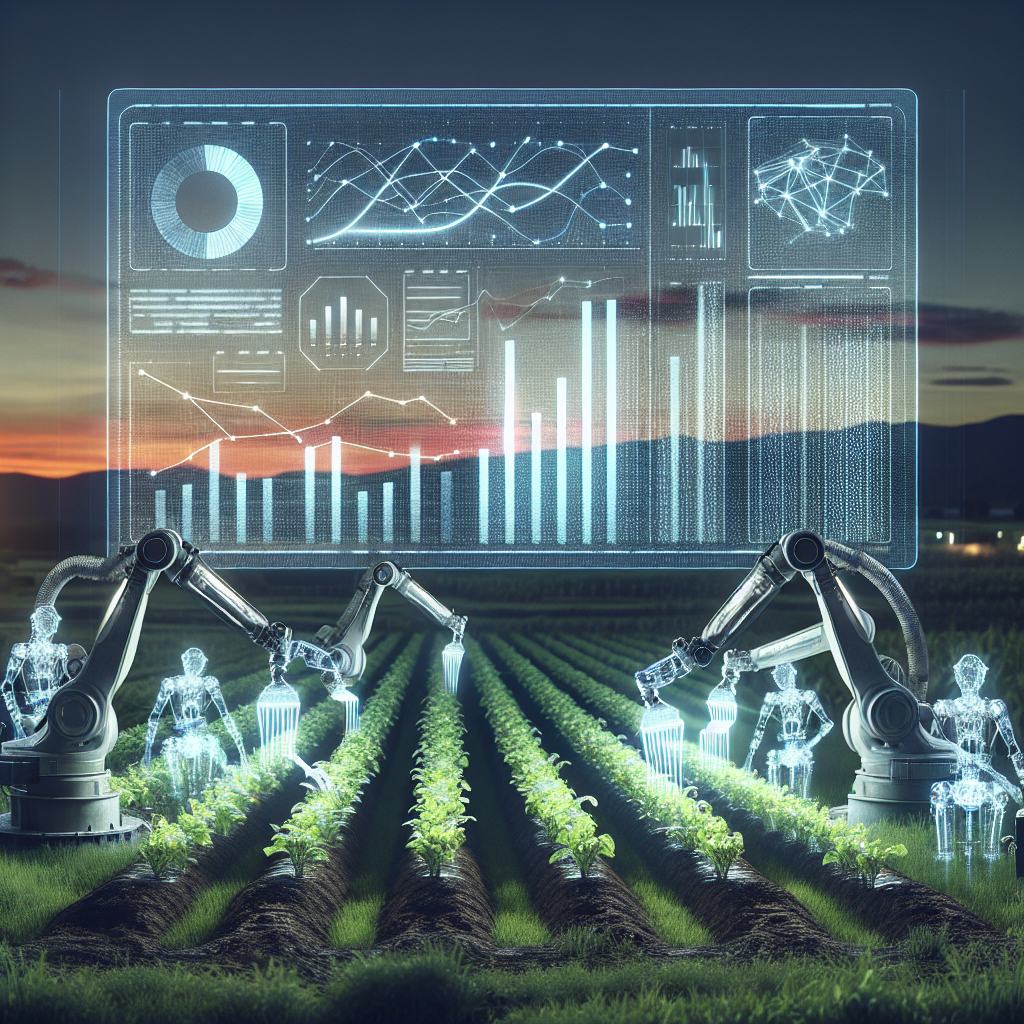
Agriculture has been an essential part of human civilization for thousands of years, providing food, clothing, and other essential resources. In recent years, advancements in technology, particularly in the fields of artificial intelligence (AI) and machine learning, have revolutionized the way we approach agricultural decision making. These technologies have the potential to greatly improve efficiency, productivity, and sustainability in the agricultural sector.
AI and machine learning are both subsets of computer science that focus on creating systems and algorithms that can learn from and make decisions based on data. In the context of agriculture, these technologies can be used to analyze vast amounts of data collected from various sources, such as sensors, satellites, and drones, to provide farmers with valuable insights that can help them make more informed decisions.
One of the key applications of AI and machine learning in agriculture is precision agriculture. Precision agriculture involves the use of technology to optimize farming practices, such as irrigation, fertilization, and pest control, on a field-by-field basis. By using AI and machine learning algorithms to analyze data on soil quality, weather patterns, crop health, and other factors, farmers can make more precise decisions about how to manage their fields, leading to increased yields and reduced costs.
Another important application of AI and machine learning in agriculture is in crop monitoring and disease detection. By using image recognition algorithms to analyze images of crops taken from drones or satellites, farmers can quickly identify areas of their fields that may be suffering from pests, diseases, or other issues. This allows them to take targeted action to address these problems before they spread and cause significant damage to their crops.
AI and machine learning can also be used to optimize the use of resources in agriculture, such as water and energy. By analyzing data on soil moisture levels, weather forecasts, and crop water requirements, farmers can adjust their irrigation schedules to ensure that crops receive the right amount of water at the right time. Similarly, by using algorithms to optimize the placement of solar panels or wind turbines on their farms, farmers can reduce their energy costs and environmental impact.
In addition to these applications, AI and machine learning can also be used to improve supply chain management in agriculture. By analyzing data on market trends, consumer preferences, and transportation logistics, farmers can make better decisions about when and where to sell their products, leading to increased profits and reduced waste.
Overall, the potential benefits of AI and machine learning in agriculture are vast. These technologies have the potential to revolutionize the way we approach farming, leading to increased efficiency, productivity, and sustainability in the agricultural sector.
FAQs:
Q: How can AI and machine learning help farmers make better decisions?
A: AI and machine learning can help farmers make better decisions by analyzing vast amounts of data collected from various sources, such as sensors, satellites, and drones, to provide valuable insights that can help them optimize their farming practices.
Q: How can AI and machine learning be used in precision agriculture?
A: AI and machine learning can be used in precision agriculture to analyze data on soil quality, weather patterns, crop health, and other factors to make more precise decisions about how to manage fields on a field-by-field basis.
Q: What are some of the potential benefits of using AI and machine learning in agriculture?
A: Some of the potential benefits of using AI and machine learning in agriculture include increased efficiency, productivity, and sustainability, as well as improved resource management and supply chain optimization.
Q: Are there any challenges associated with implementing AI and machine learning in agriculture?
A: Some of the challenges associated with implementing AI and machine learning in agriculture include the cost of implementing these technologies, the need for specialized expertise to use them effectively, and concerns about data privacy and security.