
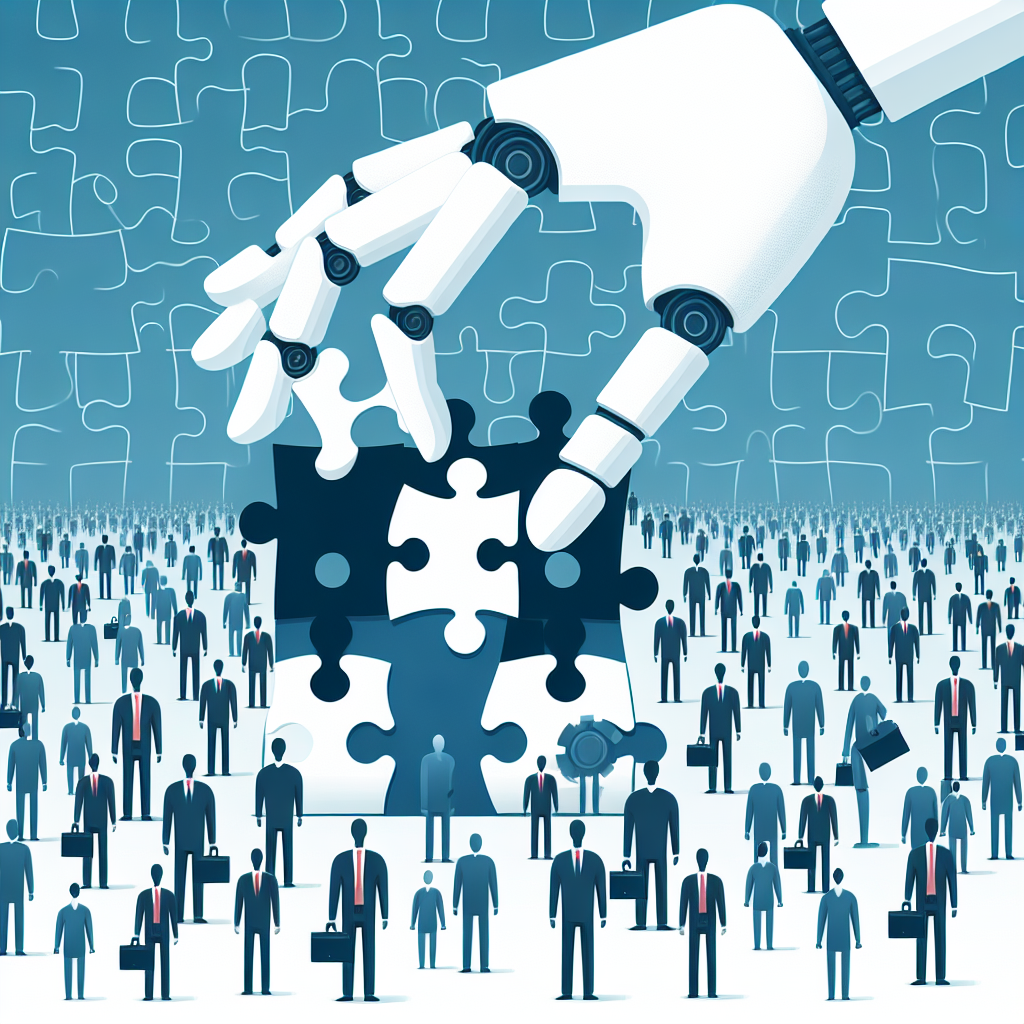
Artificial Intelligence (AI) and Machine Learning have been rapidly transforming various industries, leading to significant advancements in technology and automation. While these innovations have brought about many benefits, they have also raised concerns about their impact on jobs and the economy. In this article, we will explore the effects of AI and Machine Learning on the workforce and the economy, as well as address some common questions and concerns surrounding this topic.
Impact on Jobs:
One of the primary concerns surrounding AI and Machine Learning is the potential loss of jobs due to automation. As these technologies become more sophisticated, they are increasingly capable of performing tasks that were previously done by humans. This has led to fears that a significant number of jobs could be replaced by machines, leading to unemployment and economic instability.
While it is true that some jobs may become obsolete as a result of automation, AI and Machine Learning also have the potential to create new job opportunities. For example, as companies adopt these technologies, they will require skilled workers to design, implement, and maintain them. Additionally, AI and Machine Learning can help improve efficiency and productivity in various industries, leading to the creation of new roles and specialties.
Furthermore, AI and Machine Learning have the potential to enhance the skills and capabilities of the workforce. By automating repetitive tasks, these technologies can free up employees to focus on more complex and creative work. This can lead to a more skilled and motivated workforce, which can ultimately benefit businesses and the economy as a whole.
Overall, while AI and Machine Learning may lead to job displacement in some sectors, they also have the potential to create new opportunities and improve the overall quality of the workforce.
Impact on the Economy:
The impact of AI and Machine Learning on the economy is a complex and multifaceted issue. On one hand, these technologies have the potential to drive economic growth and innovation by improving efficiency, productivity, and competitiveness. By automating tasks and processes, businesses can reduce costs and increase their output, leading to higher profits and economic growth.
Additionally, AI and Machine Learning have the potential to create new industries and markets, leading to job creation and economic development. As these technologies become more widespread, they are likely to generate new opportunities for businesses and workers alike.
However, the widespread adoption of AI and Machine Learning also raises concerns about income inequality and job polarization. As automation replaces certain jobs, there is a risk that low-skilled workers could be left behind, leading to increased inequality and social unrest. Additionally, the rise of AI and Machine Learning could lead to a concentration of wealth and power in the hands of a few technology companies, further exacerbating economic inequality.
Overall, the impact of AI and Machine Learning on the economy will depend on how these technologies are implemented and regulated. While they have the potential to drive economic growth and innovation, it is important to consider the potential downsides and take steps to mitigate any negative effects.
FAQs:
Q: Will AI and Machine Learning replace all human jobs?
A: While AI and Machine Learning have the potential to automate many tasks and processes, it is unlikely that they will replace all human jobs. These technologies are best suited for tasks that are repetitive, predictable, and rule-based, while human workers excel at tasks that require creativity, critical thinking, and emotional intelligence. As such, it is more likely that certain jobs will be automated, while new jobs will be created to support and work alongside these technologies.
Q: How can workers prepare for the impact of AI and Machine Learning on the workforce?
A: Workers can prepare for the impact of AI and Machine Learning by developing skills that are in high demand in the digital economy. This includes skills such as data analysis, coding, and problem-solving, as well as soft skills such as communication, teamwork, and adaptability. Additionally, workers should stay informed about the latest developments in technology and industry trends, in order to identify new opportunities and adapt to changes in the workforce.
Q: What role can policymakers play in managing the impact of AI and Machine Learning on the economy?
A: Policymakers can play a key role in managing the impact of AI and Machine Learning on the economy by implementing regulations and policies that promote innovation, protect workers, and ensure a fair distribution of the benefits of these technologies. This includes investing in education and training programs to help workers develop the skills they need to succeed in the digital economy, as well as implementing measures to address income inequality and job displacement.
In conclusion, AI and Machine Learning have the potential to bring about significant changes to the workforce and the economy. While there are concerns about the potential loss of jobs and economic inequality, these technologies also have the potential to drive economic growth, innovation, and job creation. By understanding the potential impact of AI and Machine Learning and taking steps to prepare for these changes, businesses, workers, and policymakers can help ensure a more equitable and prosperous future for all.