
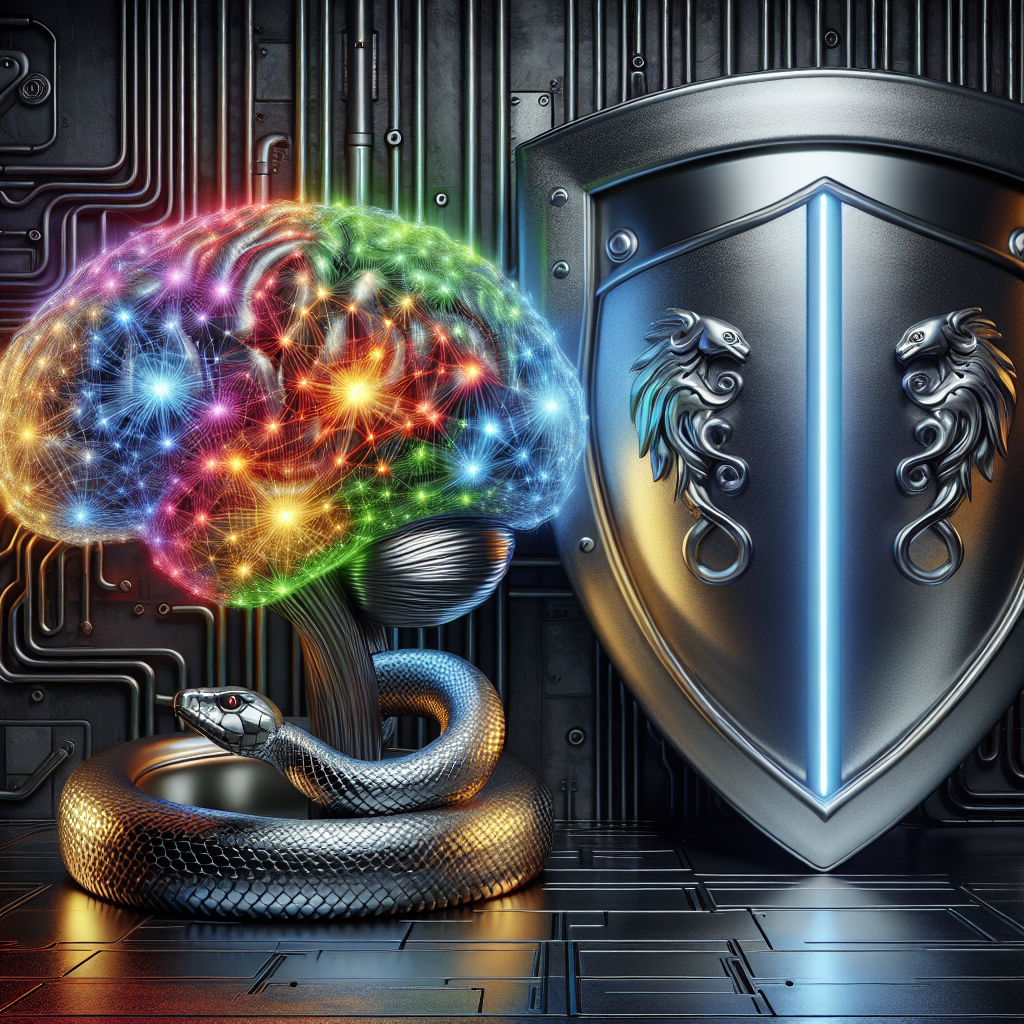
Artificial Intelligence (AI) has rapidly become a key technology in national security and defense strategies around the world. The potential benefits of AI in this field are numerous, including improved situational awareness, enhanced decision-making capabilities, and increased operational efficiency. However, with these opportunities also come significant risks and challenges that must be carefully considered and managed. In this article, we will explore the opportunities and risks of AI in national security, as well as some frequently asked questions about this important topic.
Opportunities of AI in National Security
1. Enhanced Situational Awareness: AI can analyze vast amounts of data from various sources, such as surveillance cameras, satellites, and sensors, to provide real-time information about potential threats or security risks. This can help military and defense agencies to respond more quickly and effectively to emerging threats.
2. Improved Decision-Making: AI algorithms can process and analyze data faster and more accurately than humans, enabling better decision-making in complex and time-sensitive situations. AI can also provide valuable insights and recommendations to commanders and policymakers to help them make more informed choices.
3. Autonomous Systems: AI-powered autonomous systems, such as drones and unmanned vehicles, can perform tasks that are too dangerous or difficult for humans. These systems can be used for surveillance, reconnaissance, and other military operations, reducing the risk to human personnel.
4. Cybersecurity: AI can help to detect and respond to cyber threats more effectively by analyzing network traffic, identifying suspicious patterns, and predicting potential attacks. AI-powered cybersecurity tools can help to strengthen the defenses of critical infrastructure and protect sensitive information.
5. Cost Savings: AI can streamline and automate various processes in national security, leading to cost savings and increased efficiency. For example, AI can be used to optimize logistics, maintenance, and resource allocation, reducing operational expenses and improving overall readiness.
Risks and Challenges of AI in National Security
1. Bias and Discrimination: AI algorithms can reflect and amplify existing biases and discrimination present in the data used to train them. This can lead to unfair or discriminatory outcomes, particularly in sensitive areas such as law enforcement and counterterrorism. It is crucial to ensure that AI systems are designed and deployed in a way that is fair, transparent, and accountable.
2. Vulnerability to Adversarial Attacks: AI systems can be vulnerable to adversarial attacks, where malicious actors manipulate input data to deceive or disrupt the system’s functioning. This can have serious consequences in national security applications, such as compromising the accuracy of autonomous systems or undermining the integrity of decision-making processes.
3. Lack of Transparency: AI algorithms can be complex and opaque, making it difficult to understand how they arrive at their decisions or predictions. This lack of transparency can raise concerns about accountability and trustworthiness, especially in critical national security contexts where human lives are at stake.
4. Ethical and Legal Issues: The use of AI in national security raises complex ethical and legal questions, such as the appropriate use of force, the protection of civilians, and the accountability of autonomous systems. It is important to establish clear guidelines and regulations to ensure that AI technologies are used responsibly and ethically.
5. Strategic Competition and Proliferation: The rapid development and deployment of AI in national security can lead to strategic competition and proliferation of advanced technologies. This can raise tensions between countries and create new risks of conflict or escalation. It is essential to promote international cooperation and dialogue to address these challenges and prevent destabilizing outcomes.
FAQs about AI in National Security
Q: How is AI currently being used in national security?
A: AI is being used in national security in various ways, including for intelligence analysis, surveillance, cybersecurity, autonomous systems, and decision support. AI technologies are being deployed by military and defense agencies around the world to enhance their capabilities and address emerging threats.
Q: What are the key benefits of AI in national security?
A: The key benefits of AI in national security include enhanced situational awareness, improved decision-making, autonomous systems, cybersecurity, and cost savings. AI can help to strengthen the defense and security of a country by providing valuable insights, increasing operational efficiency, and reducing risks to personnel.
Q: What are the main risks and challenges of AI in national security?
A: The main risks and challenges of AI in national security include bias and discrimination, vulnerability to adversarial attacks, lack of transparency, ethical and legal issues, and strategic competition and proliferation. It is important to address these risks and challenges to ensure that AI technologies are used responsibly and effectively.
Q: How can the risks of AI in national security be mitigated?
A: The risks of AI in national security can be mitigated by implementing robust safeguards and controls, promoting transparency and accountability, ensuring ethical and legal compliance, and fostering international cooperation and dialogue. It is essential to address these risks proactively to maximize the benefits of AI while minimizing potential harms.
Q: What role can policymakers and stakeholders play in shaping the future of AI in national security?
A: Policymakers and stakeholders have a critical role to play in shaping the future of AI in national security by developing policies, regulations, and guidelines that promote responsible and ethical use of AI technologies. It is essential to engage with experts, industry representatives, and civil society to ensure that AI is deployed in a way that is safe, secure, and beneficial for society as a whole.
In conclusion, AI offers significant opportunities for enhancing national security and defense capabilities, but it also poses important risks and challenges that must be carefully managed. By addressing these risks proactively and responsibly, policymakers and stakeholders can harness the full potential of AI to strengthen the security and resilience of their countries. It is crucial to promote transparency, accountability, and ethical considerations in the development and deployment of AI technologies to ensure a safer and more secure future for all.