
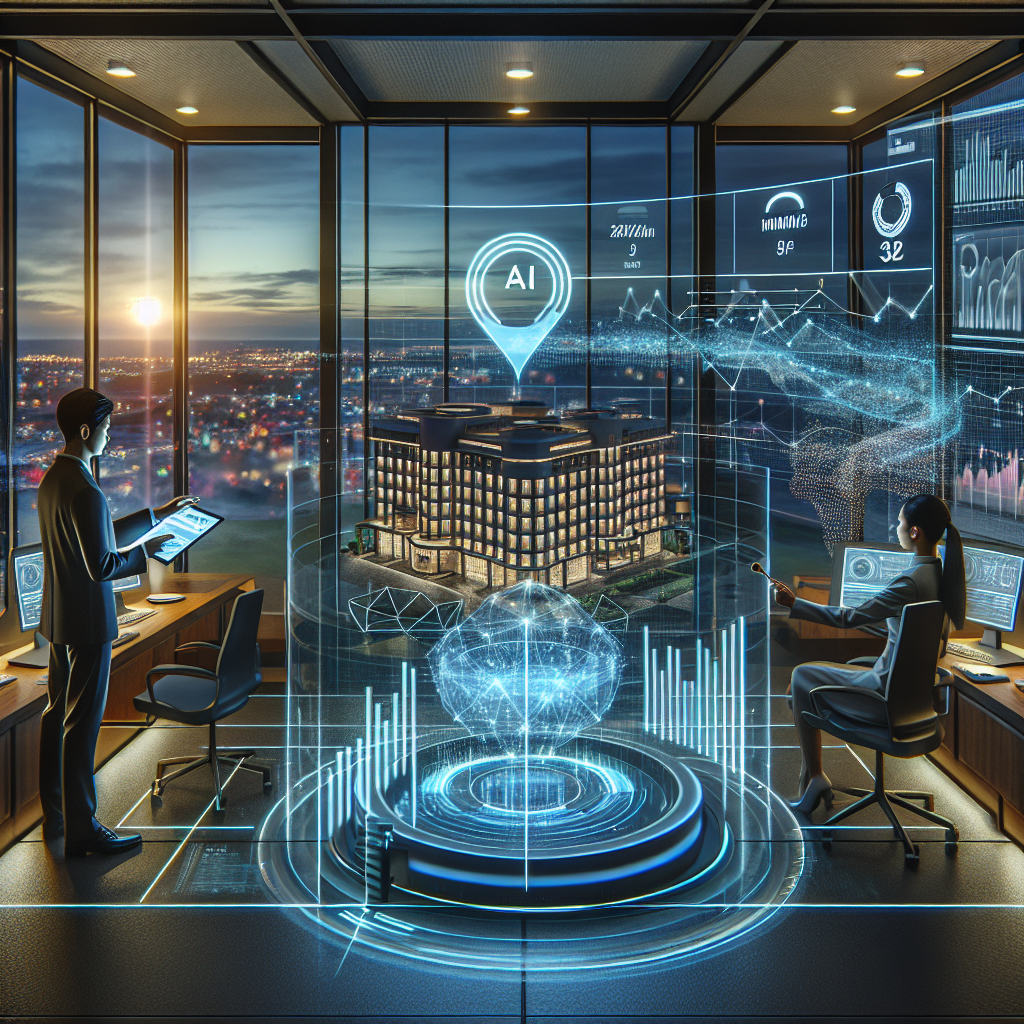
Artificial intelligence (AI) and predictive analytics have revolutionized the way hotels forecast demand for their services. By utilizing advanced algorithms and machine learning techniques, hotels can now accurately predict future demand trends and optimize their pricing strategies to maximize revenue. In this article, we will explore how AI and predictive analytics are transforming demand forecasting in the hotel industry, and how hoteliers can leverage these technologies to stay ahead of the competition.
The Role of AI in Demand Forecasting
Traditionally, hotels have relied on historical data and manual analysis to forecast demand for their rooms and services. However, this approach is often limited in its accuracy and can lead to missed revenue opportunities. AI-powered predictive analytics, on the other hand, can analyze vast amounts of data in real-time and identify patterns and trends that human analysts may overlook.
AI algorithms can analyze data from a variety of sources, including booking patterns, website interactions, social media activity, and even external factors such as weather and local events. By taking all of these variables into account, AI can generate highly accurate demand forecasts that help hoteliers make more informed decisions about pricing, inventory management, and marketing strategies.
One of the key benefits of AI-driven demand forecasting is its ability to adapt and learn from new data. As more information becomes available, AI algorithms can continuously refine their predictions and improve their accuracy over time. This dynamic approach allows hotels to respond quickly to changing market conditions and optimize their revenue potential.
Predictive Analytics for Demand Forecasting
Predictive analytics is a subset of AI that focuses on using data and statistical algorithms to make predictions about future events. In the context of demand forecasting in hotels, predictive analytics can help hoteliers anticipate fluctuations in demand, identify opportunities for revenue growth, and optimize their pricing strategies.
There are several ways in which predictive analytics can be applied to demand forecasting in hotels. For example, hotels can use predictive models to forecast demand for specific room types, predict the impact of pricing changes on booking patterns, and identify the most profitable customer segments. By leveraging these insights, hotels can tailor their marketing campaigns, promotions, and pricing strategies to attract the right customers at the right time.
In addition to optimizing revenue, predictive analytics can also help hotels improve the overall guest experience. By predicting demand for specific services and amenities, hotels can ensure that they have the right resources in place to meet guest expectations and deliver a seamless and personalized experience.
FAQs
Q: How accurate are AI-powered demand forecasts for hotels?
A: AI-powered demand forecasts are typically more accurate than traditional forecasting methods, as they can analyze a wide range of data sources and identify complex patterns and trends. However, the accuracy of AI forecasts can vary depending on the quality of the data and the sophistication of the algorithms used.
Q: How can hotels integrate AI and predictive analytics into their demand forecasting process?
A: Hotels can integrate AI and predictive analytics into their demand forecasting process by investing in the right technology and partnering with experienced data analytics providers. By leveraging AI-powered tools and software platforms, hotels can automate the data analysis process, generate accurate demand forecasts, and make data-driven decisions in real-time.
Q: What are the benefits of using AI and predictive analytics for demand forecasting in hotels?
A: The benefits of using AI and predictive analytics for demand forecasting in hotels include improved accuracy, faster decision-making, increased revenue potential, and enhanced guest satisfaction. By leveraging these technologies, hotels can stay ahead of the competition, optimize their pricing strategies, and deliver a superior guest experience.
In conclusion, AI and predictive analytics are transforming demand forecasting in the hotel industry by enabling hotels to analyze vast amounts of data, identify trends and patterns, and make more informed decisions about pricing, inventory management, and marketing strategies. By leveraging these technologies, hoteliers can optimize their revenue potential, improve the guest experience, and stay ahead of the competition in an increasingly competitive market.