
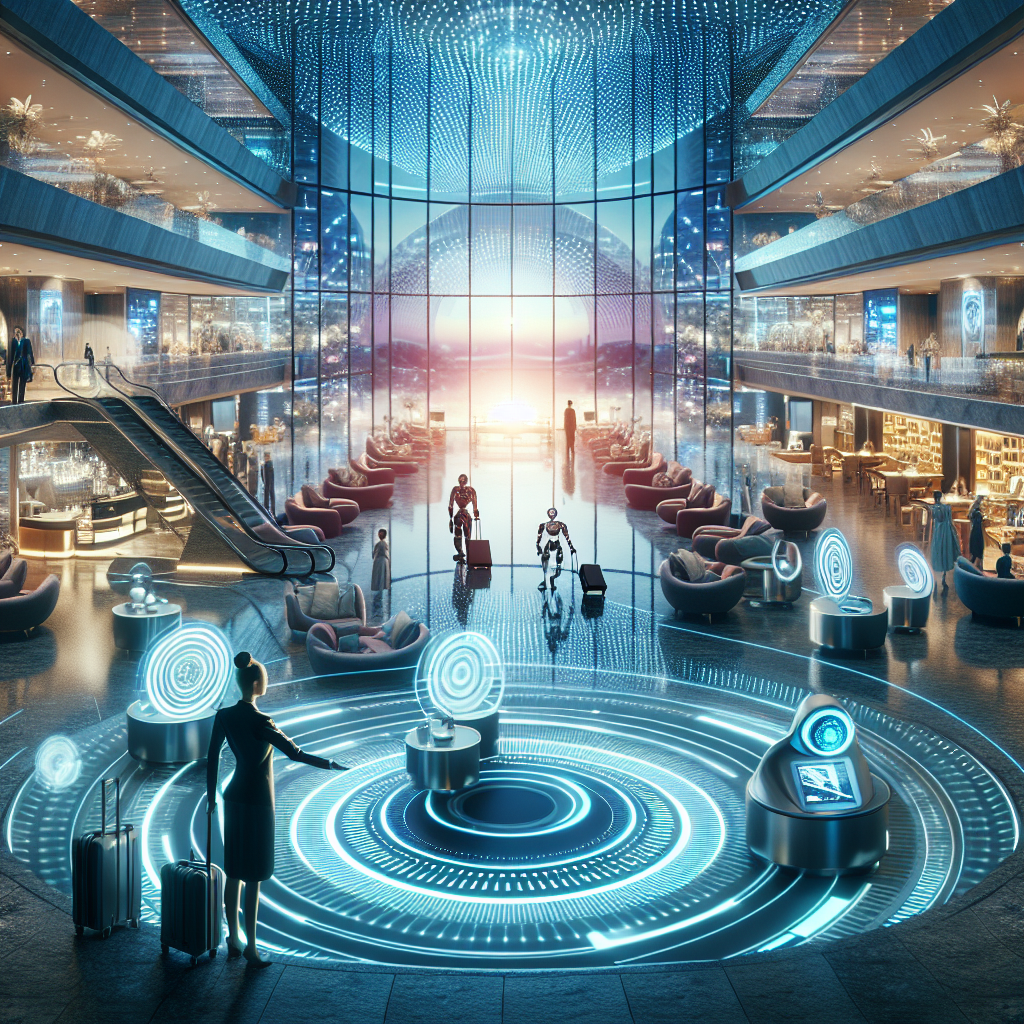
In recent years, the hospitality industry has seen a significant increase in the use of artificial intelligence (AI) and robotics to improve customer service, efficiency, and overall guest experience. From hotels to restaurants to travel agencies, businesses in the hospitality sector are increasingly turning to these technologies to streamline operations, reduce costs, and enhance the overall guest experience. In this article, we will explore the impact of AI and robotics in the hospitality industry, the benefits and challenges they present, and how they are shaping the future of the industry.
Impact of AI and Robotics in the Hospitality Industry
AI and robotics have had a profound impact on the hospitality industry, transforming the way businesses operate and how guests experience their services. From automated check-in processes to robot butlers delivering room service, these technologies are revolutionizing the industry in a number of ways.
One of the most significant impacts of AI and robotics in the hospitality industry is the ability to streamline operations and improve efficiency. For example, hotels are using AI-powered chatbots to handle customer inquiries and reservations, reducing the need for human intervention and speeding up the booking process. Similarly, restaurants are using robotic servers to deliver food and drinks to tables, freeing up staff to focus on other tasks and improving overall service speed.
AI and robotics are also being used to enhance the guest experience in the hospitality industry. For example, hotels are using AI-powered concierge services to provide personalized recommendations and assistance to guests, while restaurants are using robots to entertain diners with interactive displays and performances. These technologies are helping businesses to create unique and memorable experiences for their guests, ultimately leading to increased customer satisfaction and loyalty.
Benefits of AI and Robotics in the Hospitality Industry
There are a number of benefits to using AI and robotics in the hospitality industry. Some of the key advantages include:
1. Improved efficiency: AI and robotics can automate repetitive tasks and streamline operations, leading to increased efficiency and lower operating costs.
2. Enhanced guest experience: By using AI-powered services and robotic assistants, businesses can provide personalized and interactive experiences for their guests, leading to higher levels of satisfaction and loyalty.
3. Increased accuracy: AI-powered systems can analyze data and make decisions with a high level of accuracy, reducing the risk of errors and improving overall performance.
4. Cost savings: By automating tasks and reducing the need for human intervention, businesses can save on labor costs and improve their bottom line.
5. Competitive advantage: By adopting AI and robotics, businesses can differentiate themselves from competitors and attract new customers who are looking for innovative and tech-savvy services.
Challenges of AI and Robotics in the Hospitality Industry
While there are many benefits to using AI and robotics in the hospitality industry, there are also some challenges that businesses need to consider. Some of the key challenges include:
1. Cost: Implementing AI and robotics can be expensive, requiring significant investment in technology and infrastructure. Businesses need to carefully consider the return on investment and the long-term costs of implementing these technologies.
2. Integration: Integrating AI and robotics into existing systems and processes can be challenging, requiring businesses to retrain staff, update software, and ensure compatibility with existing technology.
3. Security: AI and robotics can raise security concerns, as businesses need to ensure that sensitive data is protected and that systems are secure from cyber threats and hacking.
4. Dependence on technology: Relying too heavily on AI and robotics can lead to a loss of human touch and personalized service, which can impact the overall guest experience and customer satisfaction.
5. Resistance to change: Some employees and customers may be resistant to the use of AI and robotics in the hospitality industry, leading to challenges in adoption and acceptance of these technologies.
FAQs about AI and Robotics in the Hospitality Industry
Q: How are hotels using AI and robotics to enhance the guest experience?
A: Hotels are using AI-powered chatbots for customer service, robotic butlers for room service, and automated check-in processes to provide a seamless and personalized experience for guests.
Q: Are AI and robotics replacing human workers in the hospitality industry?
A: While AI and robotics are automating some tasks in the hospitality industry, they are not replacing human workers entirely. Instead, they are freeing up employees to focus on more complex and creative tasks.
Q: What are some examples of AI and robotics in the restaurant industry?
A: Restaurants are using robotic servers to deliver food and drinks to tables, AI-powered systems for inventory management and ordering, and chatbots for customer service and reservations.
Q: How can businesses in the hospitality industry overcome the challenges of implementing AI and robotics?
A: Businesses can overcome the challenges of implementing AI and robotics by carefully planning and budgeting for the technology, providing training and support for employees, and ensuring that systems are secure and compliant with regulations.
Q: What is the future of AI and robotics in the hospitality industry?
A: The future of AI and robotics in the hospitality industry is bright, with continued innovation and adoption of these technologies to improve efficiency, enhance the guest experience, and drive business growth.
In conclusion, AI and robotics are transforming the hospitality industry, providing businesses with new opportunities to streamline operations, enhance the guest experience, and drive business growth. While there are challenges to overcome, the benefits of using these technologies are clear, with increased efficiency, improved customer satisfaction, and competitive advantage. As businesses continue to innovate and adopt AI and robotics, the future of the hospitality industry looks promising, with endless possibilities for innovation and growth.