
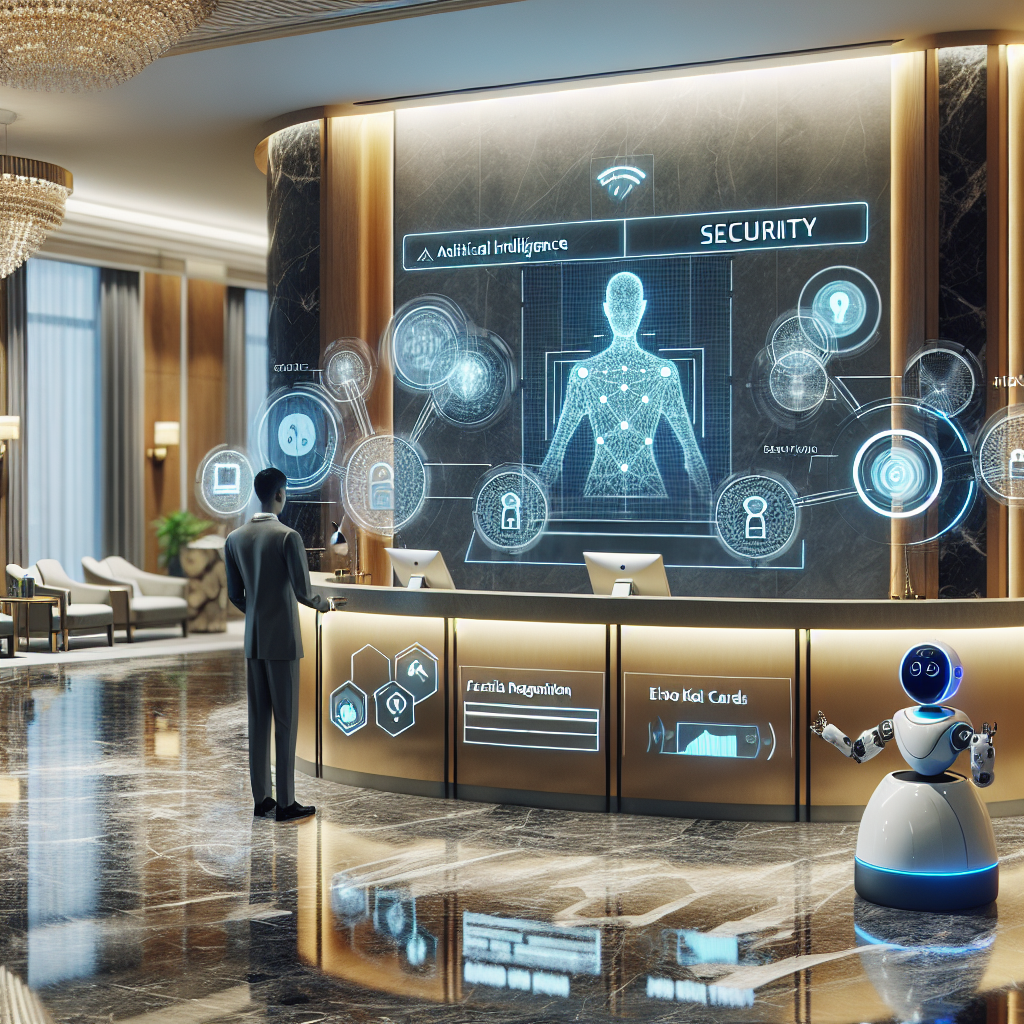
Artificial Intelligence (AI) has been revolutionizing various industries, and the hospitality sector is no exception. With the increasing adoption of AI technologies in the hospitality industry, there has been a significant impact on security measures as well. In this article, we will explore how AI is enhancing security in the hospitality sector and the various ways in which it is being implemented.
AI and Security in the Hospitality Sector
AI technologies have been widely adopted in the hospitality sector to improve efficiency, customer experience, and overall operations. One of the key areas where AI is making a significant impact is in security measures. With the increasing number of cyber threats and security breaches, hotels and other hospitality businesses are turning to AI to enhance their security measures and protect sensitive data.
One of the main ways in which AI is enhancing security in the hospitality sector is through the use of machine learning algorithms. These algorithms can analyze large amounts of data in real-time to detect potential security threats and anomalies. By using AI-powered security systems, hotels can detect and prevent security breaches before they occur, thus protecting their guests’ personal information and maintaining the trust of their customers.
Another way in which AI is improving security in the hospitality sector is through the use of facial recognition technology. Facial recognition technology can be used to identify guests and employees, track their movements within the hotel premises, and monitor for any suspicious activities. This technology can help hotels to enhance their security measures and prevent unauthorized access to restricted areas.
AI-powered chatbots are also being used in the hospitality sector to improve security measures. These chatbots can assist guests with their queries and provide information about hotel services and amenities. In addition, they can also monitor for any unusual activities or behavior that may indicate a security threat. By using AI-powered chatbots, hotels can enhance their security measures and provide a seamless customer experience.
FAQs:
Q: How can AI enhance security measures in the hospitality sector?
A: AI can enhance security measures in the hospitality sector by using machine learning algorithms to detect and prevent security threats in real-time, implementing facial recognition technology to identify guests and employees, and using AI-powered chatbots to monitor for suspicious activities.
Q: What are the benefits of using AI in security measures in the hospitality sector?
A: The benefits of using AI in security measures in the hospitality sector include improved efficiency, enhanced security, real-time monitoring of security threats, and prevention of security breaches.
Q: How can hotels implement AI-powered security systems?
A: Hotels can implement AI-powered security systems by partnering with AI technology providers, integrating AI technologies into their existing security systems, and training their staff to use AI-powered security tools effectively.
Q: What are the challenges of implementing AI in security measures in the hospitality sector?
A: Some of the challenges of implementing AI in security measures in the hospitality sector include the high cost of AI technologies, the need for specialized training for staff, and concerns about data privacy and security.
In conclusion, AI is playing a crucial role in enhancing security measures in the hospitality sector. By leveraging AI technologies such as machine learning algorithms, facial recognition technology, and AI-powered chatbots, hotels can improve their security measures, protect sensitive data, and provide a safe and secure environment for their guests. As AI continues to evolve, we can expect to see further advancements in security measures in the hospitality sector, making it a safer and more secure place for both guests and employees.