
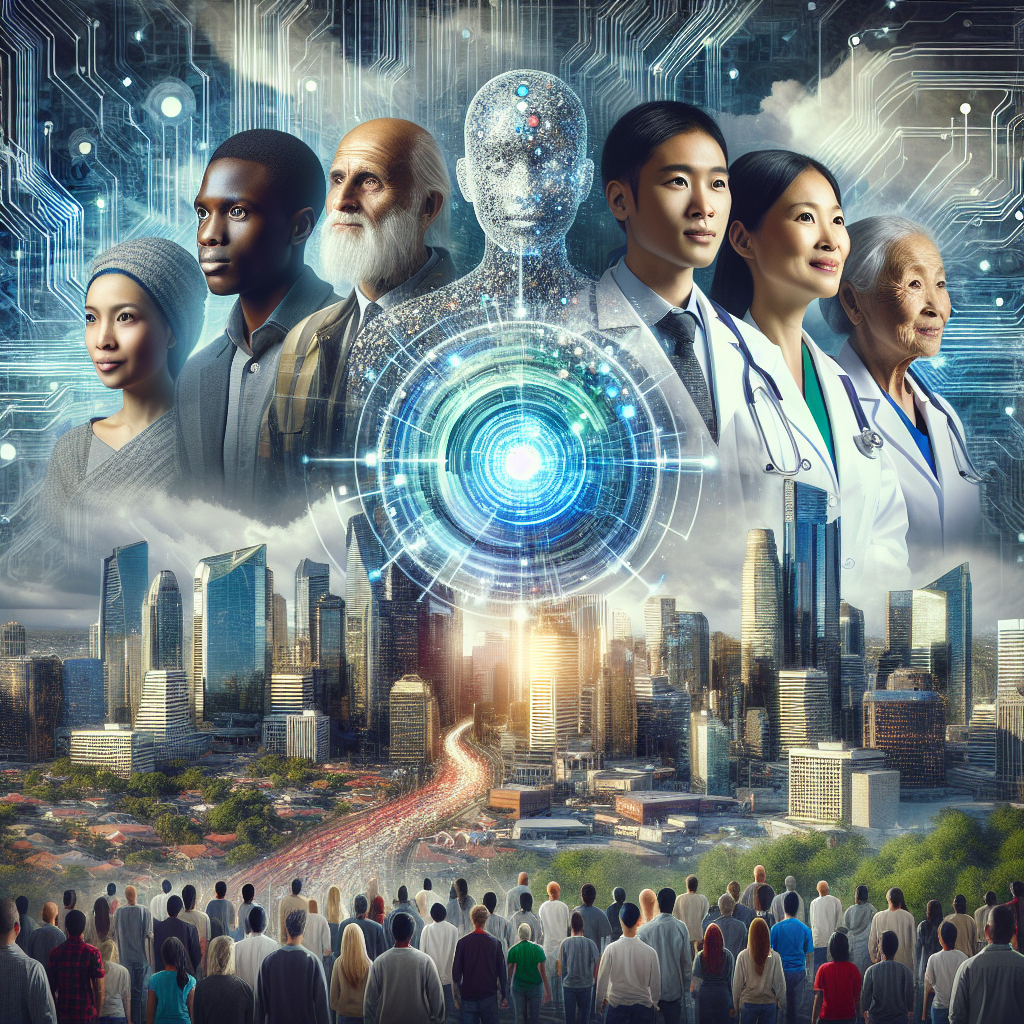
Artificial Intelligence (AI) has been revolutionizing various industries, from healthcare to finance. One area where AI has the potential to make a significant impact is social services, particularly in improving welfare programs. By leveraging AI technology, social services can better reach and support those in need, streamline processes, and ultimately improve outcomes for individuals and communities.
AI in Social Services: How it Works
AI technology encompasses a range of tools and techniques that enable machines to perform tasks that typically require human intelligence, such as learning, reasoning, and problem-solving. In the context of social services, AI can be used in a variety of ways to enhance the delivery of welfare programs.
One key application of AI in social services is in predictive analytics. By analyzing vast amounts of data, AI algorithms can identify patterns and trends that can help predict outcomes and assess risks. For example, AI can be used to predict which individuals are at a higher risk of becoming homeless or experiencing food insecurity, allowing social service agencies to intervene early and provide targeted support.
AI can also be used to personalize and optimize services for individuals. By analyzing individual characteristics and needs, AI algorithms can tailor interventions and services to better meet the unique needs of each person. This can help improve engagement and outcomes, as individuals are more likely to benefit from services that are tailored to their specific circumstances.
Furthermore, AI-powered chatbots and virtual assistants can provide round-the-clock support to individuals seeking assistance. These virtual agents can answer questions, provide information, and guide individuals through the application process for welfare programs. By automating routine tasks, social service agencies can free up staff time to focus on more complex and high-value activities.
Overall, AI has the potential to transform social services by improving efficiency, effectiveness, and equity in the delivery of welfare programs.
Benefits of AI in Social Services
There are several benefits of incorporating AI into social services:
1. Improved targeting: By analyzing data and identifying patterns, AI can help social service agencies better target resources to those most in need. This can help ensure that services are reaching those who can benefit the most, improving outcomes for individuals and communities.
2. Enhanced efficiency: AI technology can automate routine tasks, such as data entry and paperwork, freeing up staff time to focus on more complex and value-added activities. This can help social service agencies operate more efficiently and effectively, delivering services in a timely manner.
3. Personalized services: AI algorithms can analyze individual characteristics and needs to tailor interventions and services to each person. This personalized approach can help improve engagement and outcomes, as individuals are more likely to benefit from services that are tailored to their specific circumstances.
4. 24/7 support: AI-powered chatbots and virtual assistants can provide round-the-clock support to individuals seeking assistance. This can improve access to services, particularly for those who may have difficulty accessing traditional support channels during regular business hours.
5. Data-driven decision-making: AI technology can help social service agencies make informed decisions by analyzing vast amounts of data and identifying trends and patterns. This can help agencies allocate resources more effectively and improve the overall delivery of welfare programs.
Challenges of AI in Social Services
While AI has the potential to bring significant benefits to social services, there are also challenges that need to be addressed:
1. Data privacy and security: AI algorithms rely on vast amounts of data to make predictions and recommendations. Ensuring the privacy and security of this data is crucial to maintaining trust and compliance with regulations, such as HIPAA and GDPR.
2. Bias and fairness: AI algorithms can inadvertently perpetuate biases present in the data used to train them. This can result in unfair outcomes for certain groups of individuals. It is important to address bias in AI systems to ensure that welfare programs are delivered equitably.
3. Integration with existing systems: Implementing AI technology in social services may require integrating with existing systems and processes. Ensuring compatibility and interoperability can be a complex and time-consuming process.
4. Staff training and capacity-building: Social service agencies may need to invest in staff training and capacity-building to effectively utilize AI technology. Building internal expertise and knowledge is essential to maximizing the benefits of AI in social services.
5. Ethical considerations: AI raises ethical questions around issues such as transparency, accountability, and decision-making. It is important to consider the ethical implications of using AI in social services and ensure that decisions are made in a responsible and ethical manner.
FAQs
Q: How can AI improve the delivery of welfare programs?
A: AI can improve the delivery of welfare programs by enhancing targeting, efficiency, personalization, and 24/7 support. By analyzing data, automating tasks, tailoring services, and providing round-the-clock support, AI can help social service agencies reach and support individuals more effectively.
Q: What are the benefits of using AI in social services?
A: The benefits of using AI in social services include improved targeting, enhanced efficiency, personalized services, 24/7 support, and data-driven decision-making. AI technology can help social service agencies operate more effectively and deliver services that meet the unique needs of individuals.
Q: What are the challenges of using AI in social services?
A: The challenges of using AI in social services include data privacy and security, bias and fairness, integration with existing systems, staff training and capacity-building, and ethical considerations. Addressing these challenges is crucial to realizing the full potential of AI in social services.
Q: How can social service agencies address bias in AI systems?
A: Social service agencies can address bias in AI systems by carefully selecting and preprocessing data, monitoring and evaluating algorithm performance, and implementing bias mitigation techniques. It is important to prioritize fairness and equity in the design and implementation of AI systems in social services.
Q: What ethical considerations should social service agencies keep in mind when using AI?
A: Social service agencies should consider ethical issues such as transparency, accountability, and decision-making when using AI. It is important to ensure that AI systems are used responsibly and ethically, with a focus on promoting fairness, equity, and the well-being of individuals receiving services.
In conclusion, AI has the potential to significantly improve welfare programs and enhance the delivery of social services. By leveraging AI technology, social service agencies can better target resources, streamline processes, and provide personalized support to individuals in need. While there are challenges to overcome, addressing issues such as data privacy, bias, and ethics can help ensure that AI is used responsibly and effectively in social services. By harnessing the power of AI, social service agencies can better support individuals and communities, ultimately improving outcomes and well-being for all.