
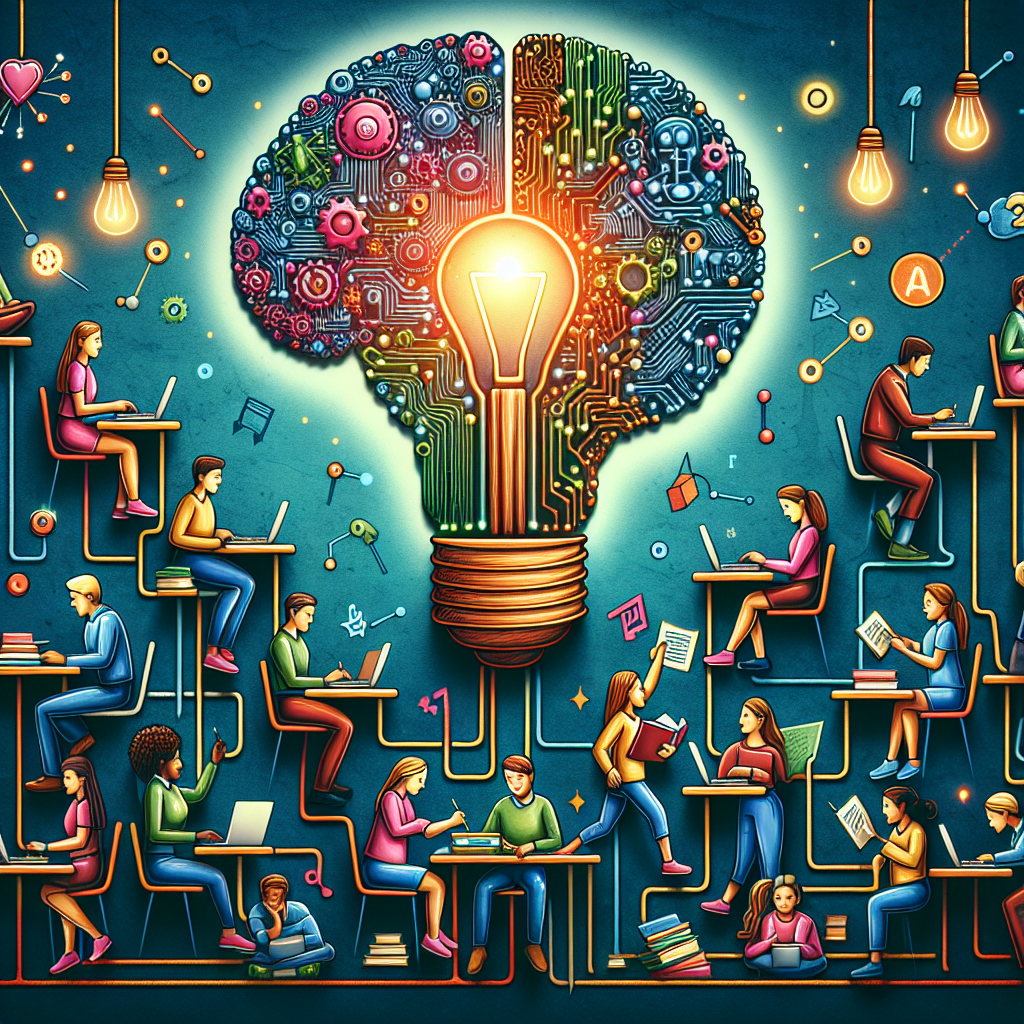
In recent years, artificial intelligence (AI) has been increasingly utilized in education to enhance student learning and engagement. One area where AI has a significant impact is student motivation. By leveraging AI technology, educators can better understand and address the individual needs and preferences of students, ultimately leading to increased motivation and academic success. In this article, we will explore the role of AI in student motivation in education, its benefits, challenges, and potential future developments.
AI in Education
AI refers to the simulation of human intelligence processes by machines, including learning, reasoning, and self-correction. In education, AI can be used to personalize learning experiences, provide real-time feedback, and support teachers in their instructional practices. By analyzing vast amounts of data, AI can identify patterns and trends, allowing educators to tailor instruction to meet the diverse needs of students.
One of the key areas where AI can make a significant impact is student motivation. Motivation plays a crucial role in learning, as it influences students’ engagement, persistence, and academic performance. However, motivating students can be a challenging task for educators, especially in large classes with diverse learners. AI can help address this challenge by providing personalized support and feedback to students, enhancing their motivation and overall learning experience.
How AI Enhances Student Motivation
AI technology can enhance student motivation in several ways:
1. Personalization: AI can analyze students’ learning preferences, strengths, and weaknesses to provide personalized recommendations and resources. By tailoring instruction to individual students, educators can increase their motivation and engagement in the learning process.
2. Feedback: AI can provide real-time feedback to students on their performance, allowing them to track their progress and make adjustments as needed. Immediate feedback can boost students’ confidence and motivation to continue learning.
3. Gamification: AI-powered educational games and simulations can make learning more interactive and engaging for students. By incorporating elements of gamification, educators can motivate students to achieve their learning goals through competition, rewards, and challenges.
4. Adaptive learning: AI can adapt instruction to students’ changing needs and abilities, ensuring that they are challenged at an appropriate level. By providing personalized learning experiences, educators can keep students motivated and engaged in their studies.
Benefits of AI in Student Motivation
The use of AI in education offers several benefits for student motivation:
1. Increased engagement: By providing personalized support and feedback, AI can enhance students’ engagement in the learning process. Students are more likely to stay motivated and focused when they receive individualized instruction that meets their needs.
2. Improved academic performance: AI can help students track their progress, set goals, and receive timely feedback on their performance. This can lead to improved academic outcomes and increased motivation to succeed.
3. Enhanced self-regulation: AI can support students in developing self-regulatory skills, such as goal setting, time management, and self-monitoring. By empowering students to take control of their learning, AI can boost their motivation and autonomy.
4. Greater access to resources: AI technology can provide students with access to a wide range of educational resources, including online courses, tutorials, and interactive tools. By offering diverse learning opportunities, educators can motivate students to explore new topics and deepen their understanding of the subject matter.
Challenges of AI in Student Motivation
While AI has the potential to enhance student motivation in education, there are also challenges that educators need to consider:
1. Privacy concerns: AI systems collect and analyze vast amounts of data on students, raising concerns about privacy and data security. Educators must ensure that AI technologies comply with relevant regulations and protect students’ sensitive information.
2. Equity issues: AI may exacerbate existing inequalities in education, as students with access to advanced technology may have an advantage over their peers. Educators need to ensure that AI tools are used in a fair and equitable manner, taking into account the diverse needs of all students.
3. Overreliance on technology: While AI can support student motivation, educators should be cautious not to rely too heavily on technology at the expense of human interaction. Building strong relationships with students and providing emotional support are essential for fostering motivation and engagement.
4. Training and professional development: Educators may need training and support to effectively integrate AI into their teaching practices. Professional development opportunities can help teachers develop the skills and knowledge needed to leverage AI technology for student motivation.
Future Developments in AI and Student Motivation
As AI continues to advance, there are several exciting developments on the horizon for student motivation in education:
1. Emotional intelligence: AI technology is increasingly being developed to recognize and respond to students’ emotions. By incorporating emotional intelligence into AI systems, educators can better understand students’ motivations, preferences, and needs, leading to more personalized and engaging learning experiences.
2. Collaborative learning: AI can facilitate collaborative learning by connecting students with peers from around the world and providing opportunities for teamwork and communication. By fostering collaboration, AI can enhance students’ motivation and social skills.
3. Virtual reality: AI-powered virtual reality (VR) technology can create immersive learning experiences that engage students in hands-on activities and simulations. By incorporating VR into education, educators can motivate students to explore new concepts and develop critical thinking skills.
4. Lifelong learning: AI can support lifelong learning by providing personalized resources and feedback to students of all ages. By promoting continuous learning and skill development, educators can motivate students to pursue their educational goals throughout their lives.
FAQs
Q: How can AI personalize learning experiences for students?
A: AI can analyze students’ learning preferences, strengths, and weaknesses to provide personalized recommendations and resources. By tailoring instruction to individual students, educators can increase their motivation and engagement in the learning process.
Q: What are some benefits of using AI in education?
A: AI can enhance student motivation, engagement, and academic performance by providing personalized support, feedback, and resources. It can also help students develop self-regulatory skills and access a wide range of educational opportunities.
Q: What are some challenges of using AI in education?
A: Challenges of using AI in education include privacy concerns, equity issues, overreliance on technology, and the need for training and professional development. Educators must address these challenges to ensure that AI technologies are used effectively and ethically.
Q: What are some future developments in AI and student motivation?
A: Future developments in AI and student motivation include the integration of emotional intelligence, collaborative learning, virtual reality, and lifelong learning. These advancements have the potential to enhance student engagement, motivation, and learning outcomes in education.