
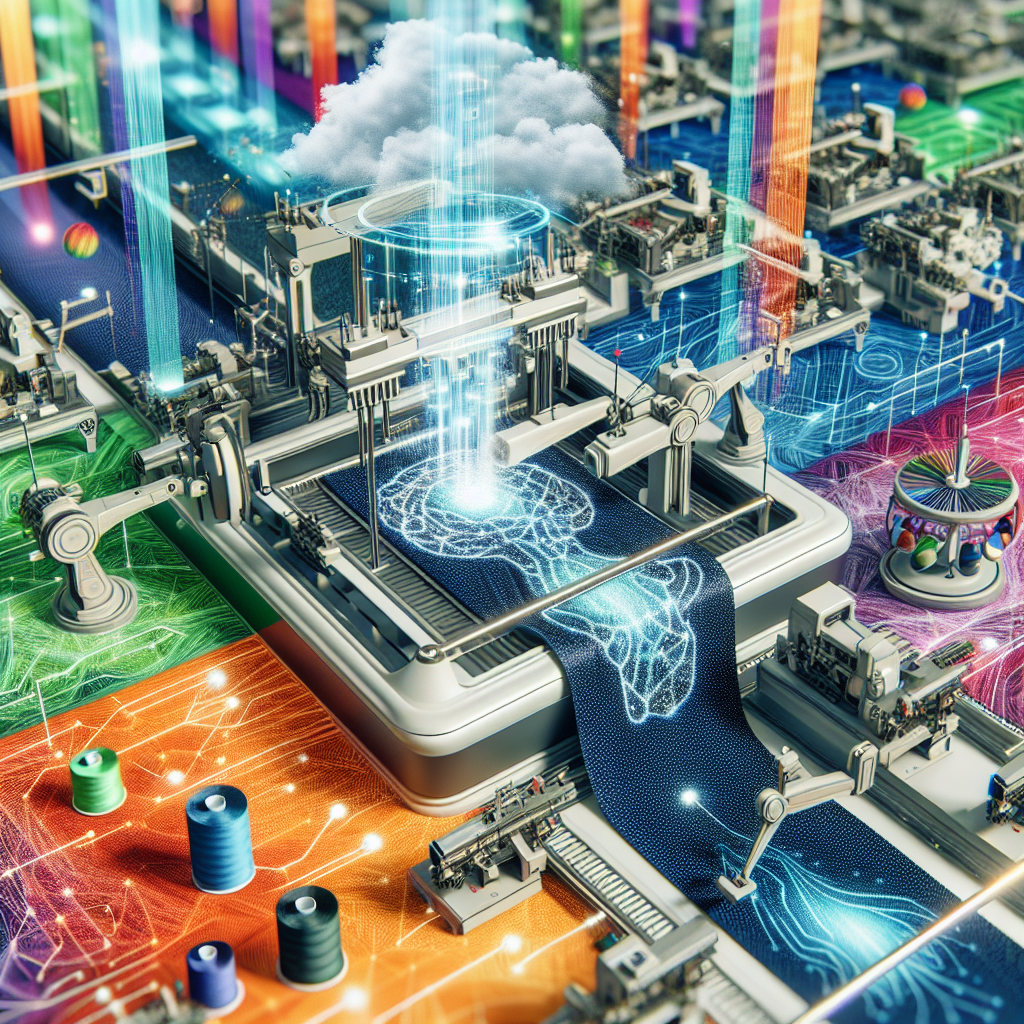
Artificial Intelligence (AI) has been revolutionizing various industries, and the textile industry is no exception. From designing and manufacturing fabrics to predicting consumer trends, AI is transforming the way textiles are produced and used. In this article, we will explore how AI is redefining fabric production and its impact on the textile industry.
One of the key areas where AI is making a significant impact in the textile industry is in the design process. Traditionally, textile designers had to rely on their creativity and experience to come up with new patterns and designs. However, with the help of AI, designers can now use advanced algorithms to generate endless design possibilities. AI can analyze vast amounts of data, including consumer preferences, market trends, and historical designs, to create unique and innovative patterns that appeal to a wide range of customers.
Another way AI is transforming fabric production is through the use of predictive analytics. By analyzing historical data and real-time information, AI can help textile manufacturers predict demand, optimize production schedules, and reduce waste. This not only streamlines the production process but also ensures that manufacturers are producing the right fabrics at the right time, leading to cost savings and increased efficiency.
Furthermore, AI is also being used to improve the quality of fabrics and reduce defects. By utilizing machine learning algorithms, manufacturers can detect potential defects in fabrics early on in the production process and take corrective actions to prevent them from occurring. This not only improves the overall quality of the fabrics but also reduces waste and production costs.
In addition to design and production, AI is also playing a crucial role in enhancing the sustainability of the textile industry. By analyzing data on raw materials, energy consumption, and waste management, AI can help manufacturers identify areas where they can reduce their environmental impact and improve their sustainability practices. This includes using more sustainable materials, optimizing production processes to reduce energy consumption, and implementing recycling and waste management programs.
Overall, AI is revolutionizing the textile industry by redefining fabric production in terms of design, quality, efficiency, and sustainability. With the help of AI, textile manufacturers can create more innovative fabrics, improve production processes, reduce waste, and enhance their sustainability practices, ultimately leading to a more competitive and sustainable industry.
FAQs:
Q: How is AI used in textile design?
A: AI is used in textile design to generate unique patterns and designs by analyzing vast amounts of data, including consumer preferences, market trends, and historical designs.
Q: How does AI improve fabric production quality?
A: AI improves fabric production quality by using machine learning algorithms to detect potential defects early on in the production process and take corrective actions to prevent them from occurring.
Q: How does AI help textile manufacturers reduce waste?
A: AI helps textile manufacturers reduce waste by analyzing data on raw materials, energy consumption, and waste management to identify areas where they can optimize production processes and reduce their environmental impact.
Q: What are the benefits of using AI in the textile industry?
A: The benefits of using AI in the textile industry include improved design capabilities, enhanced production efficiency, reduced defects, and increased sustainability practices.
In conclusion, AI is redefining fabric production in the textile industry by revolutionizing the way fabrics are designed, manufactured, and used. By leveraging AI technologies, textile manufacturers can create more innovative fabrics, improve production processes, reduce waste, and enhance sustainability practices, leading to a more competitive and sustainable industry.