
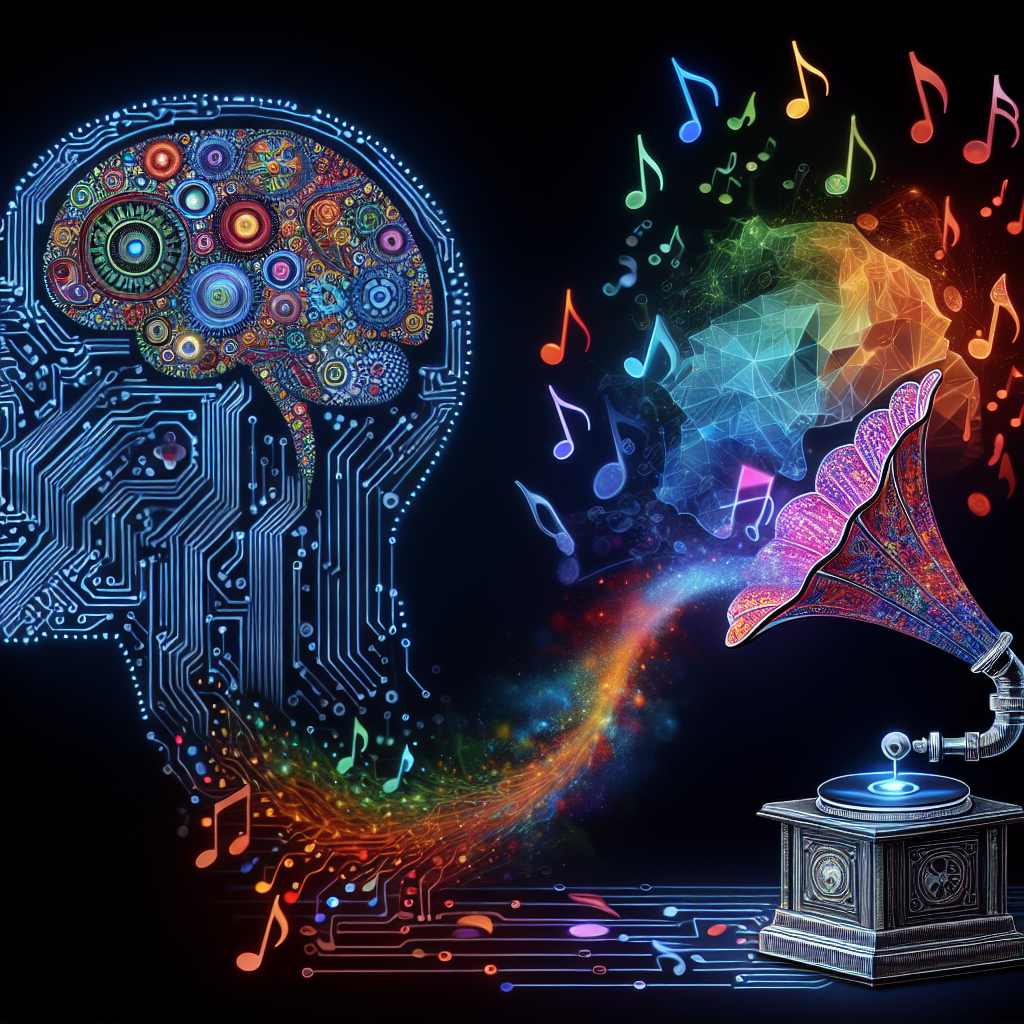
In recent years, artificial intelligence (AI) has made significant advancements in various fields, including music. One of the most fascinating applications of AI in the music industry is the creation of music mood recognition systems. These systems use sophisticated algorithms to analyze the emotional content of a piece of music and categorize it into different mood categories such as happy, sad, relaxing, energetic, etc. This technology has the potential to revolutionize the way we interact with music and personalize our listening experience.
AI-based mood recognition systems work by analyzing various audio features of a song, such as tempo, rhythm, key, and harmony, to determine the overall emotional content of the music. These systems can also take into account other factors such as lyrics, vocals, and instrumentation to provide a more accurate analysis of the mood of a song. By using machine learning algorithms, these systems can continuously improve their accuracy and provide more personalized recommendations to users over time.
One of the key benefits of music mood recognition systems is their ability to help users discover new music that matches their current mood or emotional state. By analyzing the emotional content of a song, these systems can recommend songs that are likely to resonate with the user at that particular moment. This can be especially useful for people looking to find music that fits a specific mood or atmosphere, such as relaxation, concentration, or motivation.
Another important application of music mood recognition systems is in the field of personalized music therapy. Music has long been known to have a powerful impact on our emotions and mental well-being. By using AI to analyze the emotional content of music, therapists can tailor music playlists to help patients manage stress, anxiety, depression, and other mental health issues. This personalized approach to music therapy can lead to more effective treatment outcomes and improve the overall well-being of patients.
Music mood recognition systems also have the potential to enhance the user experience of music streaming services. By analyzing the emotional content of songs, streaming platforms can create personalized playlists that match the user’s mood or preferences. This can help users discover new music they may not have come across otherwise and create a more engaging and immersive listening experience.
Despite the many benefits of music mood recognition systems, there are also some challenges and limitations to consider. One of the main challenges is the subjective nature of music and emotions. Different people may interpret the same song in different ways, making it difficult to create a one-size-fits-all mood recognition system. Additionally, cultural and personal factors can also influence how we perceive music and emotions, further complicating the analysis process.
Another challenge is the lack of a standardized database of music emotions. While there are existing datasets that categorize music into different mood categories, these datasets are often limited in scope and may not accurately represent the full range of emotions in music. Developing a more comprehensive and diverse database of music emotions will be crucial for improving the accuracy and reliability of music mood recognition systems.
Despite these challenges, the potential benefits of music mood recognition systems are significant. As AI technology continues to advance, we can expect to see more sophisticated and accurate systems that can better understand and interpret the emotional content of music. This will not only enhance our listening experience but also open up new opportunities for personalized music therapy, creative expression, and emotional well-being.
In conclusion, AI-based music mood recognition systems have the potential to revolutionize the way we interact with music and personalize our listening experience. By analyzing the emotional content of music, these systems can help users discover new music, create personalized playlists, and enhance the effectiveness of music therapy. While there are challenges and limitations to overcome, the future of music mood recognition systems looks promising and will likely play a significant role in shaping the future of the music industry.
FAQs:
Q: How accurate are music mood recognition systems in categorizing the emotional content of a song?
A: The accuracy of music mood recognition systems can vary depending on the complexity of the algorithms used and the quality of the data. While these systems have made significant advancements in recent years, there is still room for improvement in accurately categorizing the emotional content of music.
Q: Can music mood recognition systems work with all genres of music?
A: Music mood recognition systems are designed to analyze the emotional content of a wide range of music genres. However, certain genres that are more experimental or unconventional may pose challenges for these systems in accurately categorizing the emotional content.
Q: How can music mood recognition systems benefit the music industry?
A: Music mood recognition systems can benefit the music industry by helping artists and music producers understand the emotional impact of their music on listeners. This can lead to more targeted marketing strategies, personalized recommendations, and enhanced user experiences on music streaming platforms.
Q: Are there any privacy concerns associated with music mood recognition systems?
A: Privacy concerns may arise with music mood recognition systems if users’ personal data, such as listening habits and emotional responses, are collected and shared without their consent. It is important for developers to prioritize user privacy and data security when implementing these systems.
Q: How can music mood recognition systems be used in music therapy?
A: Music mood recognition systems can be used in music therapy to create personalized playlists that match the emotional needs of patients. By tailoring music selections to specific moods or emotions, therapists can enhance the effectiveness of music therapy and improve patient outcomes.