
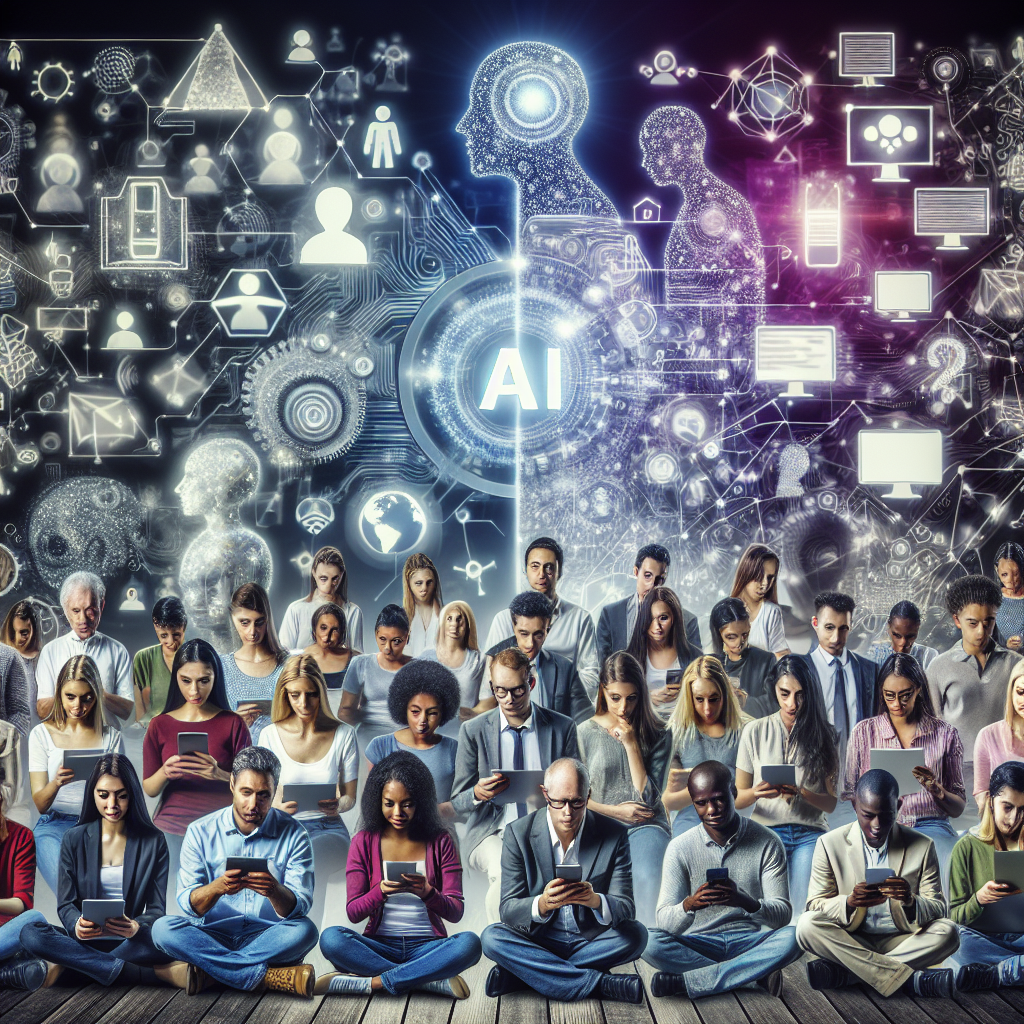
Artificial Intelligence (AI) has been rapidly transforming the way we communicate and access information in the modern world. From chatbots assisting customers with their inquiries to voice assistants answering our questions, AI has revolutionized communication by making it more efficient, personalized, and accessible than ever before. In this article, we will explore how AI is democratizing access to information and shaping the future of communication.
AI is democratizing access to information by breaking down language barriers, providing real-time translation services, and offering personalized recommendations based on individual preferences. This has made it easier for people to communicate and access information regardless of language or location. For example, AI-powered translation tools like Google Translate have made it possible for people to communicate with others in different languages, breaking down barriers and fostering global communication.
In addition to breaking down language barriers, AI is also revolutionizing communication through personalized recommendations. AI algorithms analyze user data and behavior to provide tailored recommendations for products, services, and content. For example, streaming services like Netflix use AI to recommend movies and TV shows based on a user’s viewing history and preferences. This personalization not only enhances the user experience but also helps people discover new information and content that they may not have otherwise come across.
Furthermore, AI is revolutionizing communication through chatbots and virtual assistants that provide instant support and information to users. Chatbots are AI-powered programs that can simulate human conversation and provide automated responses to user inquiries. They are commonly used in customer service to answer frequently asked questions, provide product recommendations, and assist with troubleshooting. Virtual assistants like Siri, Alexa, and Google Assistant can perform a wide range of tasks, from setting reminders to answering trivia questions, all through natural language processing.
AI is also making communication more efficient by automating repetitive tasks and streamlining workflows. For example, AI-powered email marketing platforms can analyze customer data to send personalized emails at the optimal time for maximum engagement. AI can also automate the process of scheduling meetings, analyzing data, and generating reports, allowing people to focus on more strategic tasks that require human creativity and problem-solving skills.
In the future, AI is expected to continue to revolutionize communication by enabling more natural and intuitive interactions between humans and machines. Advances in natural language processing, speech recognition, and computer vision are making it possible for AI to understand and respond to human emotions, gestures, and intonations. This will enable more seamless and personalized communication experiences, making it easier for people to interact with AI-powered devices and services.
Despite the many benefits of AI in communication, there are also concerns about privacy, security, and ethical implications. As AI becomes more integrated into our daily lives, there is a growing need to ensure that data is protected and used responsibly. Companies must be transparent about how they collect and use data, and governments must establish regulations to protect user privacy and prevent misuse of AI technology.
In conclusion, AI is democratizing access to information and revolutionizing the way we communicate in the digital age. From breaking down language barriers to providing personalized recommendations, AI is making communication more efficient, personalized, and accessible than ever before. As AI technology continues to advance, it will be exciting to see how it will shape the future of communication and enable more natural and intuitive interactions between humans and machines.
—
FAQs
Q: How is AI democratizing access to information?
A: AI is democratizing access to information by breaking down language barriers, providing personalized recommendations, and offering real-time translation services. This makes it easier for people to communicate and access information regardless of language or location.
Q: What are some examples of AI-powered communication tools?
A: Some examples of AI-powered communication tools include chatbots, virtual assistants, and personalized recommendation engines. These tools can provide instant support, automate repetitive tasks, and enhance the user experience through personalized interactions.
Q: What are some concerns about AI in communication?
A: Some concerns about AI in communication include privacy, security, and ethical implications. Companies must be transparent about how they collect and use data, and governments must establish regulations to protect user privacy and prevent misuse of AI technology.