
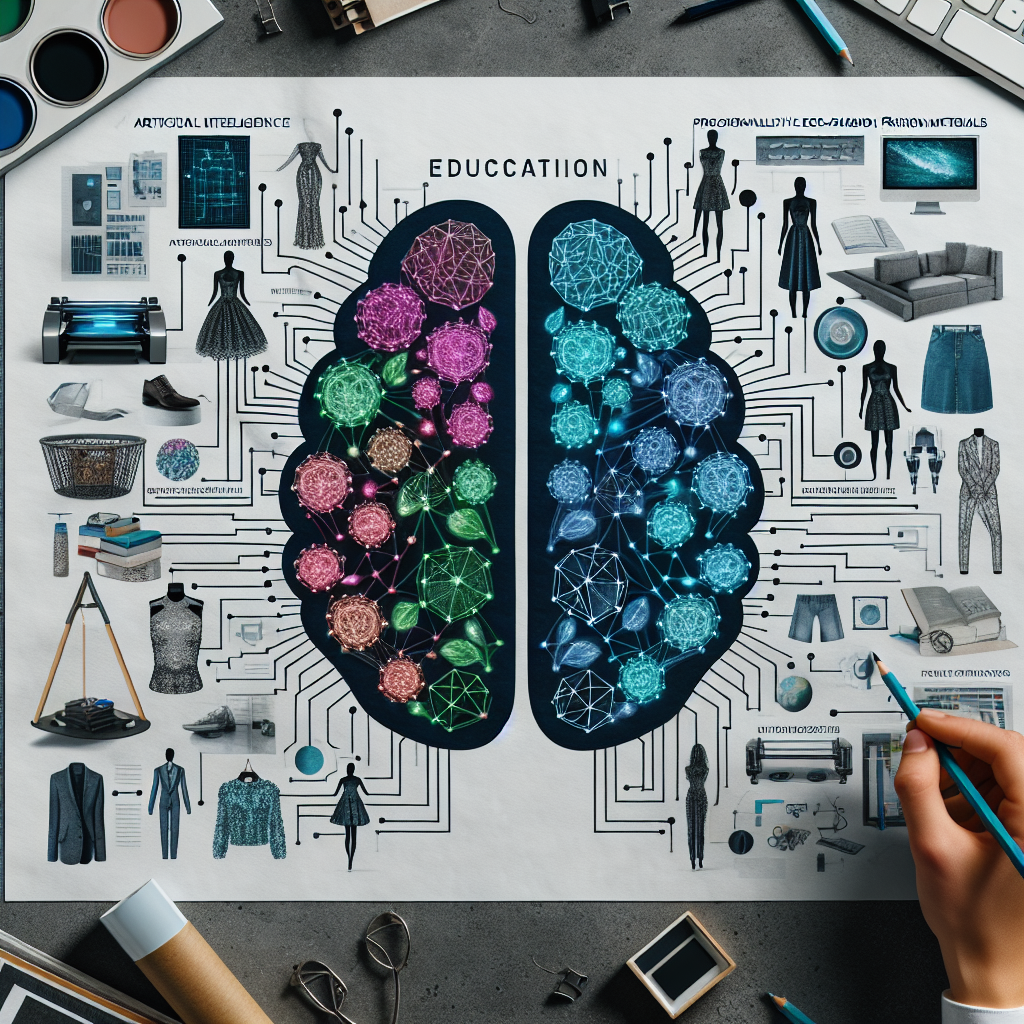
AI and the Future of Fashion Education
The fashion industry is known for being innovative and constantly evolving. From the latest trends on the runway to the newest design technologies, fashion is always changing. One area that is experiencing significant growth and transformation is fashion education. With the rise of artificial intelligence (AI) and machine learning, the future of fashion education is being reshaped in exciting ways.
AI is already being integrated into various aspects of the fashion industry, from design and production to marketing and retail. In the realm of fashion education, AI is also making a big impact. By incorporating AI into fashion programs, educators are able to provide students with cutting-edge tools and resources that can help them stay ahead of the curve in the ever-changing fashion landscape.
One of the key ways that AI is being used in fashion education is through virtual design tools. These tools allow students to create digital designs and prototypes, which can then be transformed into physical garments. By using AI-powered design tools, students are able to experiment with different styles, patterns, and materials in a more efficient and cost-effective manner. This not only helps students hone their design skills, but also prepares them for the digital future of the fashion industry.
AI is also being used to analyze data and trends in the fashion industry. By collecting and analyzing data from social media, online shopping platforms, and other sources, AI algorithms can identify emerging trends and consumer preferences. This information can then be used to inform curriculum development in fashion programs, ensuring that students are learning the skills and knowledge that will be most relevant in the industry.
Additionally, AI is being used to personalize the learning experience for students. By tracking students’ progress and performance, AI algorithms can provide personalized feedback and recommendations to help students improve their skills and knowledge. This personalized approach to education can help students learn more efficiently and effectively, ultimately preparing them for successful careers in the fashion industry.
One of the most exciting developments in AI and fashion education is the rise of virtual reality (VR) and augmented reality (AR) technologies. These technologies allow students to immerse themselves in virtual fashion environments, from design studios to fashion shows. By using VR and AR, students can gain hands-on experience and develop their skills in a realistic and interactive way. This not only makes learning more engaging and fun, but also prepares students for the increasingly digital nature of the fashion industry.
In addition to these technological advancements, AI is also helping to make fashion education more accessible and inclusive. By offering online courses and programs, educators can reach a wider audience of students who may not have access to traditional fashion schools. This democratization of education ensures that aspiring fashion professionals from all backgrounds have the opportunity to pursue their passion and achieve their goals.
As AI continues to shape the future of fashion education, it is important for educators, students, and industry professionals to stay informed and adapt to these changes. By embracing AI technologies and incorporating them into fashion programs, educators can provide students with the skills and knowledge they need to succeed in the fast-paced and competitive fashion industry.
FAQs
Q: How is AI being used in fashion education?
A: AI is being used in fashion education in a variety of ways, including virtual design tools, data analysis, personalized learning experiences, and virtual reality technologies. These tools help students develop their skills and knowledge in a more efficient and effective manner, preparing them for successful careers in the fashion industry.
Q: What are the benefits of using AI in fashion education?
A: Using AI in fashion education has numerous benefits, including improved design capabilities, access to real-time data and trends, personalized learning experiences, and increased accessibility and inclusivity. These benefits help students stay ahead of the curve in the ever-changing fashion industry and prepare them for successful careers.
Q: How can I get started with AI in fashion education?
A: To get started with AI in fashion education, educators can explore online resources and tools, attend workshops and training sessions, and collaborate with industry professionals who are experienced in using AI technologies. By staying informed and actively engaging with AI, educators can incorporate these technologies into their fashion programs and provide students with a cutting-edge education.
Q: What are some of the challenges of using AI in fashion education?
A: While AI offers many benefits to fashion education, there are also challenges to consider, such as the cost of implementing AI technologies, the need for ongoing training and support, and concerns about data privacy and security. Educators should carefully consider these challenges and work to address them in order to effectively integrate AI into fashion programs.