
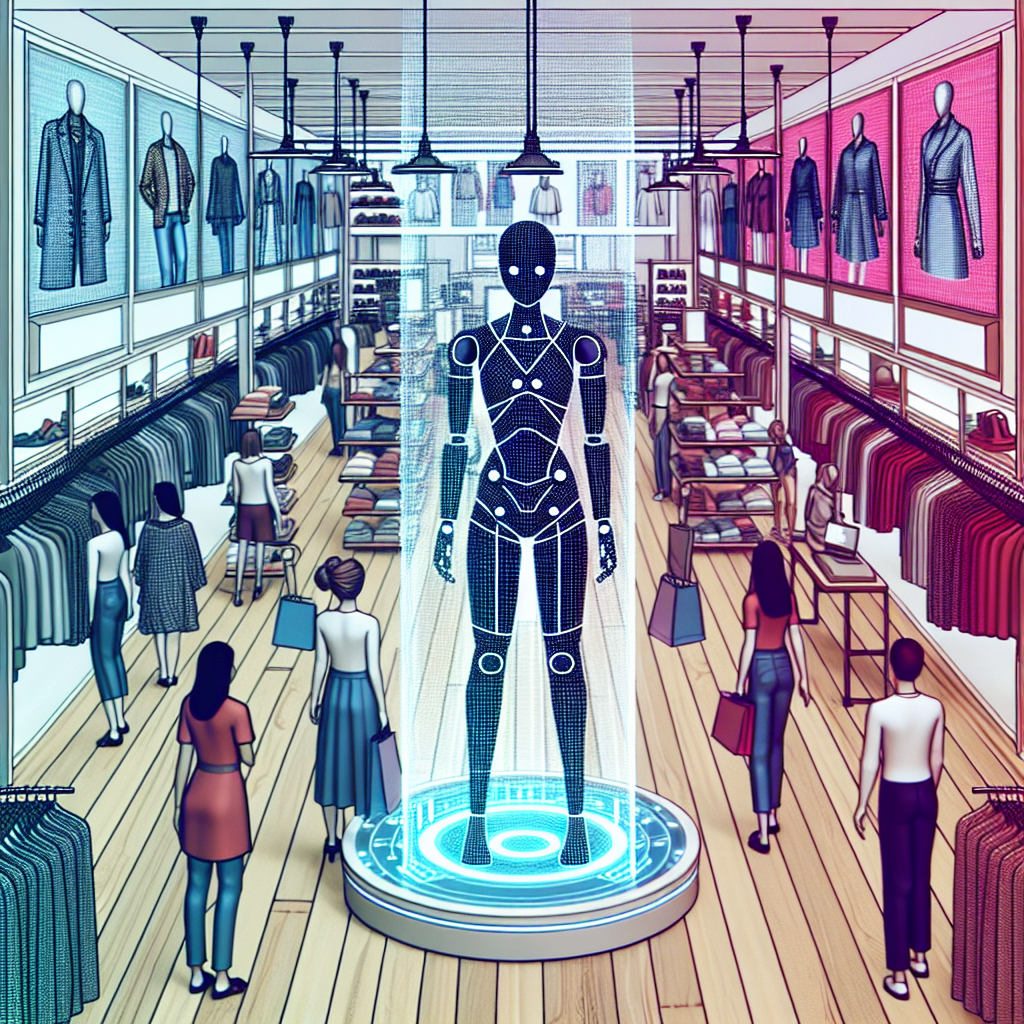
Artificial Intelligence (AI) is revolutionizing every industry it touches, and fashion retail is no exception. From personalized shopping experiences to predictive analytics, AI is transforming the way consumers interact with fashion brands and retailers. In this article, we will explore the impact of AI on the future of fashion retail and what it means for consumers.
AI in Fashion Retail: The Basics
AI is a branch of computer science that aims to create intelligent machines that can simulate human behavior and intelligence. In the context of fashion retail, AI is being used to analyze vast amounts of data, predict consumer trends, and offer personalized recommendations to shoppers. By leveraging machine learning algorithms and natural language processing, retailers can gain valuable insights into consumer preferences and behavior.
One of the key applications of AI in fashion retail is personalization. By analyzing a shopper’s browsing history, purchase patterns, and social media activity, retailers can offer personalized product recommendations that are tailored to the individual’s style and preferences. This not only enhances the shopping experience for consumers but also increases the likelihood of conversion and repeat purchases.
Another area where AI is making a significant impact is in inventory management. By using predictive analytics, retailers can forecast demand for specific products and optimize their inventory levels accordingly. This helps to reduce overstocking and markdowns, ultimately leading to higher profitability for the retailer.
AI is also being used to enhance the shopping experience through virtual try-on technology. By using computer vision and augmented reality, retailers can allow customers to virtually try on clothing and accessories before making a purchase. This not only increases consumer engagement but also reduces the likelihood of returns, as shoppers can get a better sense of how a product will look and fit before buying.
The Future of Fashion Retail with AI
As AI continues to advance, the future of fashion retail looks increasingly personalized and efficient. Consumers can expect a more seamless shopping experience, with AI-powered assistants guiding them through their purchase journey and offering tailored recommendations at every step.
One of the key trends we can expect to see in the future is the rise of AI-powered chatbots. These virtual assistants can help consumers find the perfect outfit, answer questions about products, and provide personalized styling advice. By leveraging natural language processing and machine learning, chatbots can engage with customers in a more conversational and intuitive way, ultimately enhancing the overall shopping experience.
Another trend that is likely to gain momentum in the future is the use of AI for sustainable fashion. With consumers becoming increasingly conscious of the environmental impact of their clothing choices, retailers are turning to AI to help them source sustainable materials, reduce waste, and optimize their supply chain. By using AI to analyze data on sourcing, production, and distribution, retailers can make more informed decisions that benefit both the environment and their bottom line.
In addition to personalization and sustainability, AI is also expected to drive innovation in the design process. By using generative design algorithms, designers can create unique and innovative products that are tailored to consumer preferences. This not only allows for greater creativity and experimentation but also helps to reduce time-to-market and increase efficiency in the design process.
Overall, the future of fashion retail with AI looks bright and promising. Consumers can expect a more personalized, sustainable, and innovative shopping experience that is tailored to their individual preferences and values.
FAQs:
Q: How is AI changing the way we shop for fashion?
A: AI is revolutionizing the shopping experience by offering personalized recommendations, virtual try-on technology, and chatbots that can assist consumers in finding the perfect outfit. By analyzing data on consumer preferences and behavior, retailers can offer a more tailored and engaging shopping experience that caters to the individual needs of each shopper.
Q: How can AI help retailers optimize their inventory management?
A: AI can help retailers forecast demand for specific products, optimize inventory levels, and reduce overstocking and markdowns. By using predictive analytics, retailers can make informed decisions about which products to stock and in what quantities, ultimately leading to higher profitability and efficiency in their supply chain.
Q: What are the benefits of using AI for sustainable fashion?
A: AI can help retailers source sustainable materials, reduce waste, and optimize their supply chain, ultimately benefiting both the environment and their bottom line. By using AI to analyze data on sourcing, production, and distribution, retailers can make more informed decisions that align with consumer values and preferences for sustainability.
Q: How is AI driving innovation in the design process?
A: AI is enabling designers to create unique and innovative products that are tailored to consumer preferences. By using generative design algorithms, designers can experiment with new shapes, textures, and patterns, ultimately leading to greater creativity and efficiency in the design process.
In conclusion, AI is reshaping the future of fashion retail in profound ways, offering consumers a more personalized, sustainable, and innovative shopping experience. By leveraging the power of AI, retailers can better understand consumer preferences, optimize their inventory management, and drive innovation in the design process. As AI continues to advance, the possibilities for the future of fashion retail are endless, promising a more seamless and engaging shopping experience for consumers around the world.