
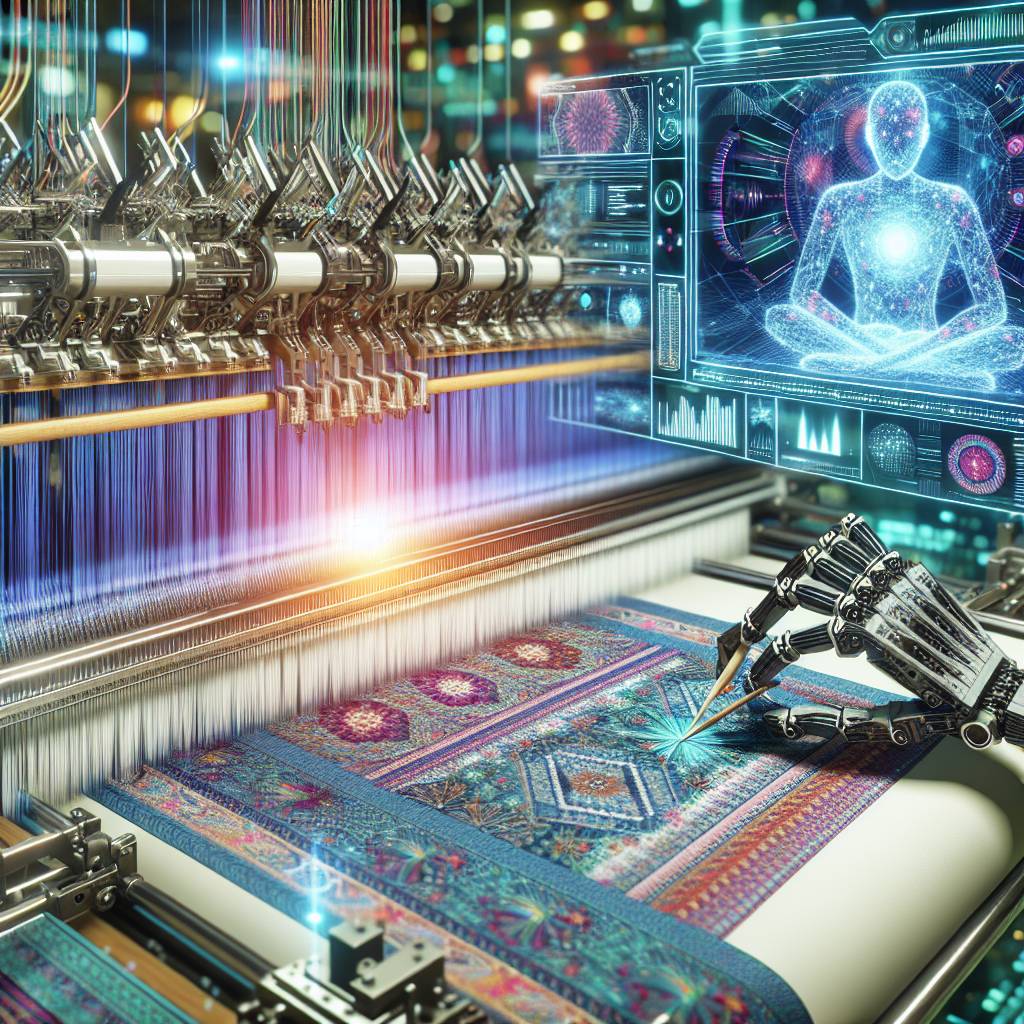
Artificial Intelligence (AI) has been revolutionizing various industries, and textile design is no exception. With the advancements in AI technology, designers are now able to create innovative and unique designs that were previously unimaginable. From creating digital patterns to predicting trends, AI is transforming the way textiles are designed and produced. In this article, we will explore the role of AI in the future of textile design and how it is shaping the industry.
AI in Textile Design
AI is being used in various aspects of textile design, from creating patterns to predicting consumer trends. One of the key areas where AI is making a significant impact is in the creation of digital patterns. Designers can now use AI algorithms to generate intricate and complex patterns that are visually appealing and unique. These patterns can be used in a variety of textile products, from clothing to home decor.
AI is also being used to predict trends in the fashion and textile industry. By analyzing large amounts of data, AI algorithms can identify patterns and trends that are likely to be popular in the future. This allows designers to create products that are in line with consumer preferences, reducing the risk of producing goods that may not sell well.
Another way AI is being used in textile design is in the customization of products. With AI algorithms, designers can create personalized designs for individual customers, allowing for a more tailored and unique product. This level of customization is changing the way textiles are designed and produced, giving consumers more options and control over their purchases.
Benefits of AI in Textile Design
There are several benefits of using AI in textile design. One of the main advantages is the ability to create unique and innovative designs that are not possible with traditional methods. AI algorithms can generate patterns and designs that are complex and visually appealing, providing designers with new possibilities for creativity.
AI also helps designers save time and resources by automating certain tasks. For example, AI algorithms can generate thousands of design variations in a fraction of the time it would take a human designer. This allows designers to explore more options and iterate on designs quickly, leading to better results in a shorter amount of time.
Additionally, AI can help reduce waste in the textile industry by optimizing production processes. By predicting trends and consumer preferences, designers can produce goods that are more likely to sell, reducing the amount of unsold inventory that ends up in landfills. This not only benefits the environment but also helps companies save money by producing goods that are in demand.
Challenges of AI in Textile Design
While AI offers many benefits in textile design, there are also challenges that designers and companies need to consider. One of the main challenges is the cost of implementing AI technology. Developing and implementing AI algorithms can be expensive, especially for small businesses and independent designers. Additionally, AI requires specialized skills and knowledge to use effectively, which may be a barrier for some designers.
Another challenge is the potential loss of creativity and human touch in the design process. While AI can generate unique designs, there is a concern that it may lead to a homogenization of design styles, as algorithms may favor certain patterns and trends over others. Designers need to strike a balance between using AI to enhance their creativity and maintaining their own unique style and vision.
Furthermore, there are concerns about the ethical implications of using AI in textile design. For example, AI algorithms may inadvertently perpetuate stereotypes or biases in designs, leading to products that are discriminatory or offensive. Designers need to be aware of these potential pitfalls and ensure that their designs are inclusive and respectful of all individuals.
FAQs
Q: How is AI being used in textile design?
A: AI is being used in various aspects of textile design, including creating digital patterns, predicting trends, and customizing products for individual customers.
Q: What are the benefits of using AI in textile design?
A: Some benefits of using AI in textile design include creating unique and innovative designs, saving time and resources, and reducing waste in the production process.
Q: What are the challenges of using AI in textile design?
A: Some challenges of using AI in textile design include the cost of implementing AI technology, the potential loss of creativity and human touch, and ethical concerns about biases in designs.
Q: How can designers balance using AI technology with maintaining their creativity?
A: Designers can balance using AI technology by using it as a tool to enhance their creativity, rather than replacing it. They can also experiment with combining AI-generated designs with their own unique style and vision.
Q: What are some ethical considerations when using AI in textile design?
A: Ethical considerations when using AI in textile design include ensuring that designs are inclusive and respectful of all individuals, avoiding perpetuating stereotypes or biases, and being transparent about the use of AI technology in the design process.
In conclusion, AI is transforming the future of textile design by enabling designers to create unique and innovative designs, predict trends, and customize products for individual customers. While there are challenges to overcome, the benefits of using AI in textile design are numerous and can lead to a more sustainable and creative industry. Designers need to be aware of the potential pitfalls and ethical considerations of using AI and strive to strike a balance between leveraging technology and maintaining their own unique style and vision.