
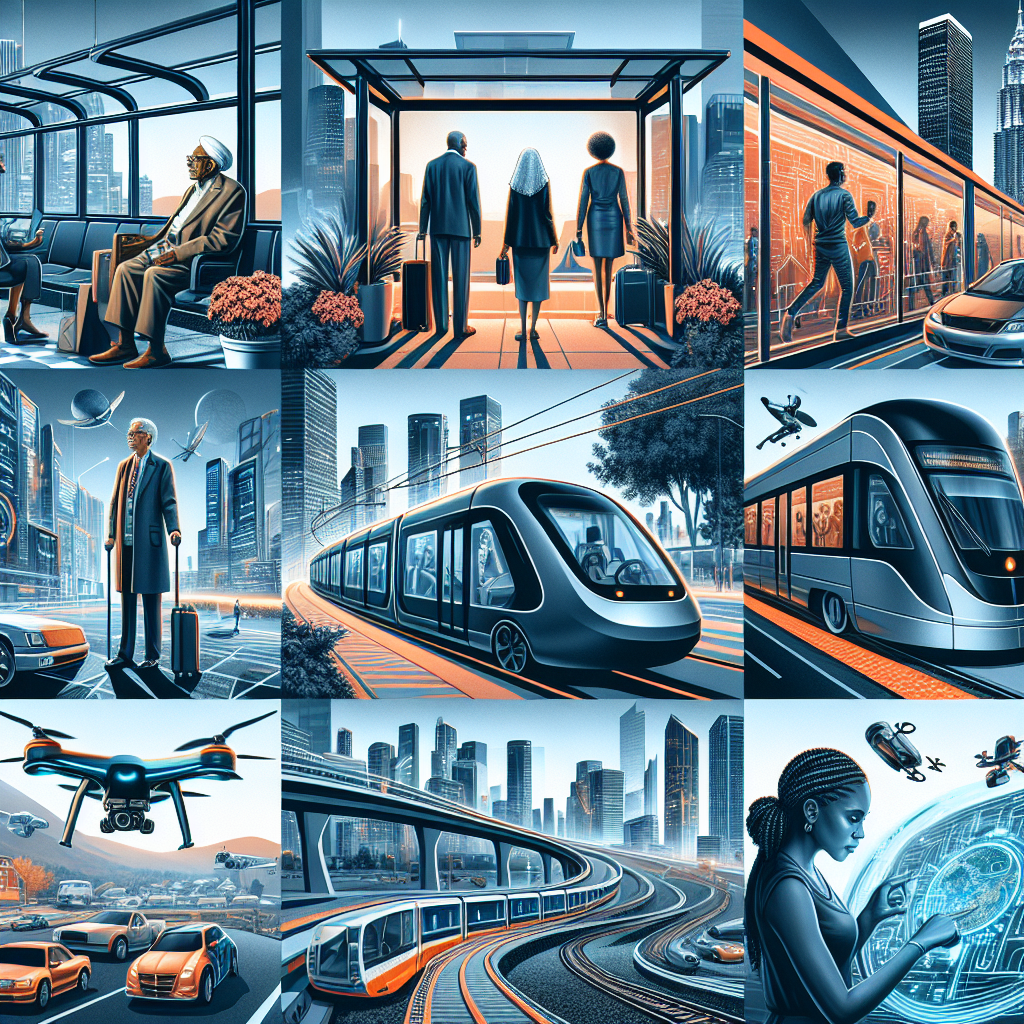
Artificial Intelligence (AI) is revolutionizing the transportation industry, paving the way for a future where mobility is more accessible, efficient, and sustainable. From autonomous vehicles to smart traffic management systems, AI is transforming every aspect of transportation, creating a safer, smoother, and more connected experience for passengers and drivers alike.
One of the most exciting developments in the field of transportation is the rise of autonomous vehicles. These self-driving cars, trucks, and buses are powered by AI algorithms that enable them to navigate roads, interpret traffic signals, and respond to changing road conditions without human intervention. This technology has the potential to significantly reduce accidents, congestion, and emissions, making transportation safer and more sustainable for everyone.
AI is also being used to optimize traffic flow and reduce congestion in cities around the world. Smart traffic management systems analyze data from sensors, cameras, and other sources to predict traffic patterns, adjust signal timings, and route vehicles more efficiently. This not only saves time and fuel for drivers but also reduces emissions and improves air quality in urban areas.
In addition to improving safety and efficiency, AI is democratizing access to mobility for people who may have been previously underserved by traditional transportation systems. Ride-sharing services like Uber and Lyft use AI algorithms to match passengers with drivers, optimize routes, and calculate fares in real-time, making it easier for people to get around without owning a car. Similarly, public transit agencies are using AI to enhance the accessibility and reliability of their services, providing a more seamless and inclusive experience for passengers of all abilities.
AI is also playing a key role in the development of electric and autonomous vehicles, which are poised to revolutionize the way we think about transportation. Electric vehicles are more energy-efficient and environmentally friendly than traditional gas-powered cars, while autonomous vehicles have the potential to reduce accidents and congestion by eliminating human error. By combining these technologies with AI-driven mobility services, we can create a more sustainable, equitable, and connected transportation system that benefits everyone.
However, as with any new technology, there are challenges and concerns that need to be addressed as AI continues to reshape the future of transportation. Privacy and data security are major issues, as AI systems rely on vast amounts of personal information to function effectively. Ensuring that this data is protected and used responsibly is essential to building trust and acceptance among consumers and regulators.
There are also ethical considerations to take into account, such as the potential impact of AI on jobs and the economy. As autonomous vehicles become more prevalent, there are concerns about the displacement of drivers and other transportation workers, as well as the broader implications for society as a whole. It is important to have policies and regulations in place to address these challenges and ensure that the benefits of AI are shared equitably among all stakeholders.
In conclusion, AI is transforming the future of transportation in exciting and innovative ways, democratizing access to mobility and creating a more sustainable and connected world. By harnessing the power of AI to optimize traffic flow, enhance public transit, and develop electric and autonomous vehicles, we can build a transportation system that is safer, more efficient, and more inclusive for everyone. However, it is crucial to address the challenges and concerns that come with this technology, including privacy, security, and ethics, to ensure that AI continues to benefit society as a whole.
FAQs:
Q: How is AI being used in autonomous vehicles?
A: AI algorithms enable autonomous vehicles to navigate roads, interpret traffic signals, and respond to changing road conditions without human intervention.
Q: What are the benefits of AI in transportation?
A: AI in transportation can improve safety, efficiency, and accessibility, reduce congestion and emissions, and democratize access to mobility for all.
Q: What are the challenges of AI in transportation?
A: Privacy, data security, ethics, and the impact on jobs and the economy are some of the challenges that need to be addressed as AI reshapes the future of transportation.