
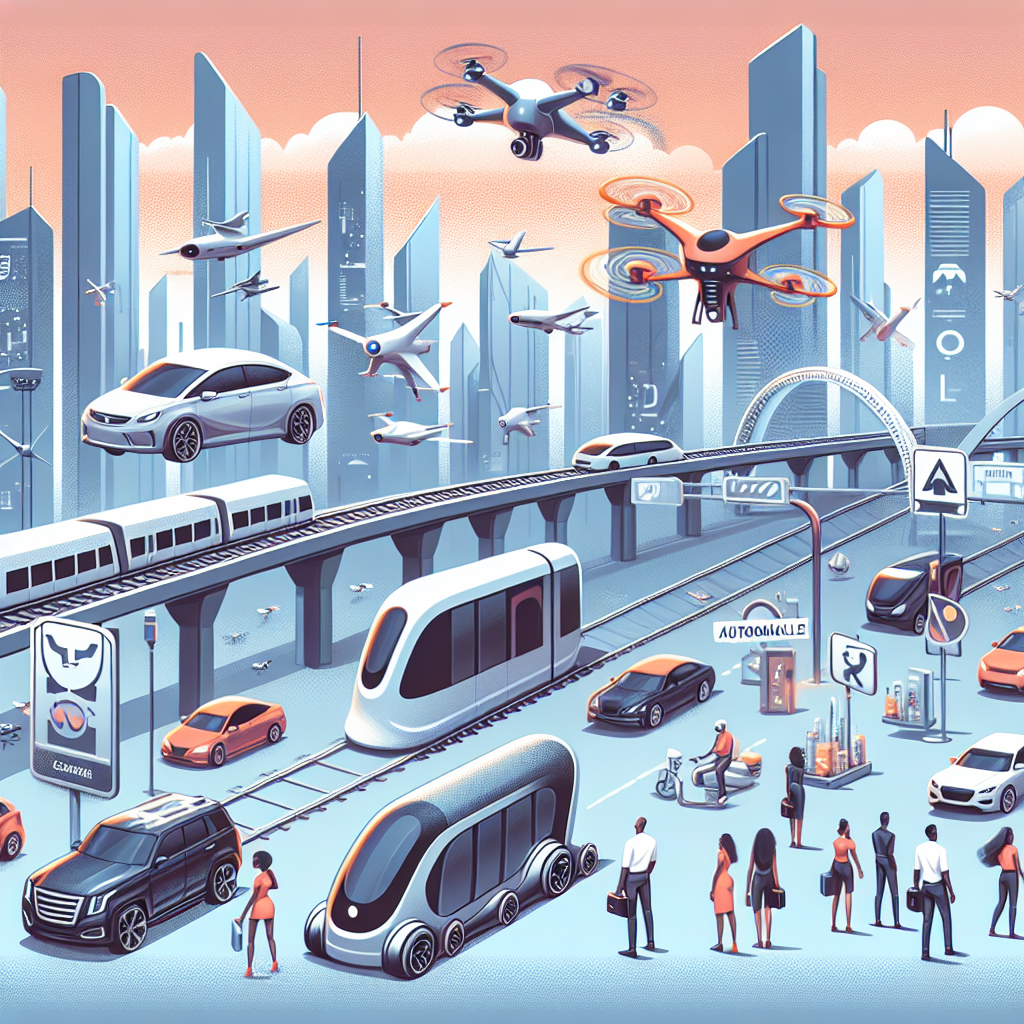
Artificial intelligence (AI) is revolutionizing the way we think about transportation. From self-driving cars to predictive maintenance for public transit systems, AI is democratizing mobility and changing the way we move from place to place. In this article, we will explore the ways in which AI is transforming the future of transportation and what it means for the everyday commuter.
One of the most exciting developments in the field of transportation is the rise of autonomous vehicles. These self-driving cars are powered by AI algorithms that enable them to navigate roads, detect obstacles, and make decisions in real-time. Companies like Tesla, Google, and Uber have been at the forefront of developing this technology, with many predicting that autonomous vehicles will be a common sight on our roads in the near future.
The benefits of autonomous vehicles are numerous. They have the potential to reduce accidents and save lives, as human error is responsible for the majority of traffic accidents. They can also improve traffic flow and reduce congestion, as AI algorithms can coordinate with each other to optimize routes and avoid bottlenecks. Additionally, autonomous vehicles can provide mobility solutions for those who are unable to drive, such as the elderly or disabled.
Another way in which AI is transforming transportation is through predictive maintenance. Public transit systems, like buses and trains, rely on complex networks of infrastructure that must be maintained in order to operate efficiently. AI algorithms can analyze data from sensors and predict when equipment is likely to fail, allowing for preemptive maintenance to be conducted before a breakdown occurs. This can save time and money for transit agencies, as well as improve the reliability of their services.
AI is also being used to optimize transportation networks and improve the efficiency of logistics. Companies like Amazon and UPS are using AI algorithms to optimize delivery routes, reduce fuel consumption, and minimize delivery times. By analyzing data on traffic patterns, weather conditions, and customer preferences, these companies can deliver packages faster and more efficiently than ever before.
In addition to improving efficiency, AI is also democratizing mobility by making transportation more accessible to everyone. Ride-sharing services like Uber and Lyft use AI algorithms to match drivers with passengers, calculate fares, and optimize routes. This has made it easier for people to get around, especially in areas where public transportation is limited or unreliable.
AI is also being used to develop new modes of transportation, such as electric scooters and flying taxis. These futuristic vehicles are powered by AI algorithms that enable them to navigate crowded urban environments and avoid collisions. Companies like Bird and Uber Elevate are leading the way in developing these technologies, with the goal of providing fast, efficient, and environmentally-friendly transportation options for city dwellers.
Despite the many benefits of AI in transportation, there are also challenges that must be addressed. Privacy and security concerns are paramount, as autonomous vehicles and smart transportation systems collect vast amounts of data on passengers and their movements. There is also the risk of job displacement, as AI technologies automate tasks that were previously done by humans, such as driving and maintenance.
In conclusion, AI is revolutionizing the future of transportation by democratizing mobility and providing new opportunities for innovation. From autonomous vehicles to predictive maintenance, AI is transforming the way we move from place to place and improving the efficiency of our transportation networks. While there are challenges that must be addressed, the potential benefits of AI in transportation are vast and have the potential to reshape our cities and our lives in the years to come.
FAQs:
Q: How will AI impact the job market in the transportation industry?
A: AI has the potential to automate many tasks in the transportation industry, such as driving and maintenance. While this may lead to some job displacement, it also has the potential to create new opportunities for employment in areas such as data analysis, software development, and customer service.
Q: Are autonomous vehicles safe?
A: Autonomous vehicles are still in the early stages of development, and safety concerns remain a top priority for companies and regulators. While autonomous vehicles have the potential to reduce accidents caused by human error, there are still challenges that must be addressed, such as ensuring that AI algorithms are robust and reliable in all driving conditions.
Q: How will AI impact public transportation systems?
A: AI has the potential to improve the efficiency and reliability of public transportation systems by enabling predictive maintenance, optimizing routes, and reducing congestion. By analyzing data on passenger demand, traffic patterns, and weather conditions, AI algorithms can help transit agencies provide better services to their customers.
Q: Will AI make transportation more accessible to everyone?
A: AI has the potential to democratize mobility by making transportation more accessible to everyone, especially in areas where public transportation is limited or unreliable. Ride-sharing services, autonomous vehicles, and new modes of transportation powered by AI algorithms are providing new opportunities for people to get around and connect with their communities.