
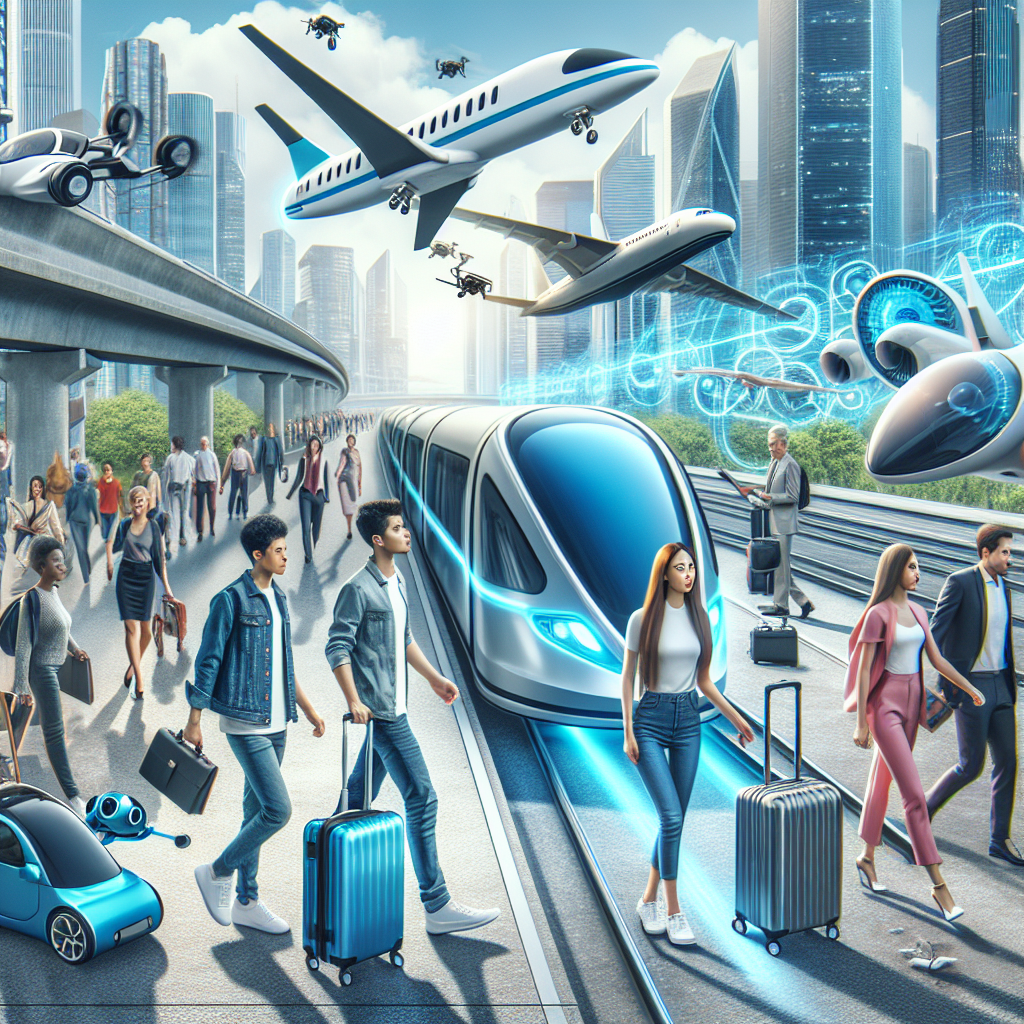
AI and the Future of Travel: Democratizing Access to Transportation
Artificial intelligence (AI) has become an integral part of our daily lives, from virtual assistants like Siri and Alexa to recommendation algorithms on streaming services like Netflix. In recent years, AI has also been making waves in the travel industry, revolutionizing the way we plan and experience our journeys. From personalized recommendations to predictive maintenance in transportation vehicles, AI is reshaping the future of travel in ways we could have only imagined a few years ago.
One of the most significant impacts of AI on the travel industry is in democratizing access to transportation. With AI-powered platforms and services, travelers can now access a wide range of transportation options at the touch of a button, making it easier than ever to navigate cities and explore new destinations. In this article, we will explore how AI is transforming the future of travel by democratizing access to transportation and what this means for the way we experience the world.
AI-Powered Transportation Platforms
One of the most visible ways AI is democratizing access to transportation is through the rise of AI-powered transportation platforms. Companies like Uber, Lyft, and Grab have revolutionized the way we think about getting from point A to point B by leveraging AI to match riders with drivers in real-time. These platforms have made it easier than ever to hail a ride, whether you’re in a bustling city or a remote town, giving travelers the freedom to explore new destinations without the hassle of navigating public transportation or hailing a taxi.
AI-powered transportation platforms also offer a level of personalization that traditional transportation options simply can’t match. By analyzing user data and preferences, these platforms can offer personalized recommendations for routes, modes of transportation, and even destinations, making it easier for travelers to discover new places and experiences. This level of customization is not only convenient for travelers but also helps to make transportation more efficient and sustainable by reducing congestion and emissions.
Predictive Maintenance in Transportation Vehicles
Another way AI is democratizing access to transportation is through predictive maintenance in vehicles. By leveraging AI-powered sensors and data analytics, transportation companies can now predict when a vehicle is likely to experience a breakdown or maintenance issue, allowing them to proactively address the problem before it affects the traveler’s journey. This not only improves the reliability and safety of transportation services but also helps to reduce downtime and repair costs, making transportation more affordable and accessible for travelers.
Predictive maintenance is particularly important in the airline industry, where even minor issues can lead to costly delays and cancellations. By using AI to analyze data from sensors and monitoring systems, airlines can now predict when a part is likely to fail and schedule maintenance proactively, helping to keep flights on time and passengers happy. This level of predictive maintenance not only benefits travelers but also helps to improve the overall efficiency and sustainability of transportation systems by reducing waste and emissions.
AI-Powered Navigation and Translation
AI is also democratizing access to transportation through AI-powered navigation and translation tools. Apps like Google Maps and Waze use AI algorithms to provide real-time traffic information, route recommendations, and even alternative modes of transportation like biking and walking. These tools make it easier for travelers to navigate unfamiliar cities and regions, giving them the confidence to explore new destinations without the fear of getting lost or stranded.
AI-powered translation tools are also helping to break down language barriers in transportation, making it easier for travelers to communicate with locals and navigate public transportation systems. Apps like Google Translate use AI to translate text and speech in real-time, allowing travelers to ask for directions, order food, and even negotiate prices with ease. This level of translation technology is not only convenient for travelers but also helps to promote cultural exchange and understanding, making transportation more inclusive and accessible for all.
The Future of AI and Travel
As AI continues to advance and evolve, the future of travel will be increasingly shaped by its capabilities and innovations. From personalized recommendations to predictive maintenance and AI-powered navigation, AI is revolutionizing the way we experience the world, making transportation more accessible, reliable, and sustainable for travelers of all backgrounds and abilities. With AI as our guide, the future of travel is brighter and more exciting than ever before.
FAQs
What is AI in the context of travel?
AI, or artificial intelligence, refers to the use of computer algorithms and machine learning techniques to simulate human intelligence and decision-making. In the context of travel, AI is used to power a wide range of services and platforms, from AI-powered transportation apps like Uber and Lyft to predictive maintenance in transportation vehicles and AI-powered translation tools.
How is AI democratizing access to transportation?
AI is democratizing access to transportation by making it easier for travelers to access a wide range of transportation options at the touch of a button. AI-powered platforms like Uber and Lyft match riders with drivers in real-time, while predictive maintenance in vehicles helps to keep transportation services reliable and affordable. AI-powered navigation and translation tools also make it easier for travelers to navigate unfamiliar cities and communicate with locals, breaking down barriers and promoting cultural exchange.
What are some examples of AI in transportation?
Some examples of AI in transportation include AI-powered transportation platforms like Uber and Lyft, predictive maintenance in vehicles, and AI-powered navigation and translation tools like Google Maps and Google Translate. These tools leverage AI algorithms to provide personalized recommendations, real-time traffic information, and translation services, making transportation more accessible, reliable, and sustainable for travelers of all backgrounds and abilities.
How is AI shaping the future of travel?
AI is shaping the future of travel by revolutionizing the way we plan and experience our journeys. From personalized recommendations to predictive maintenance and AI-powered navigation, AI is making transportation more accessible, reliable, and sustainable for travelers of all backgrounds and abilities. With AI as our guide, the future of travel is brighter and more exciting than ever before.
In conclusion, AI is democratizing access to transportation in ways we could have only imagined a few years ago, making it easier for travelers to explore new destinations and experience the world with confidence and convenience. From AI-powered transportation platforms to predictive maintenance in vehicles and AI-powered navigation and translation tools, AI is revolutionizing the way we travel, making transportation more accessible, reliable, and sustainable for travelers of all backgrounds and abilities. With AI as our guide, the future of travel is brighter and more exciting than ever before.