
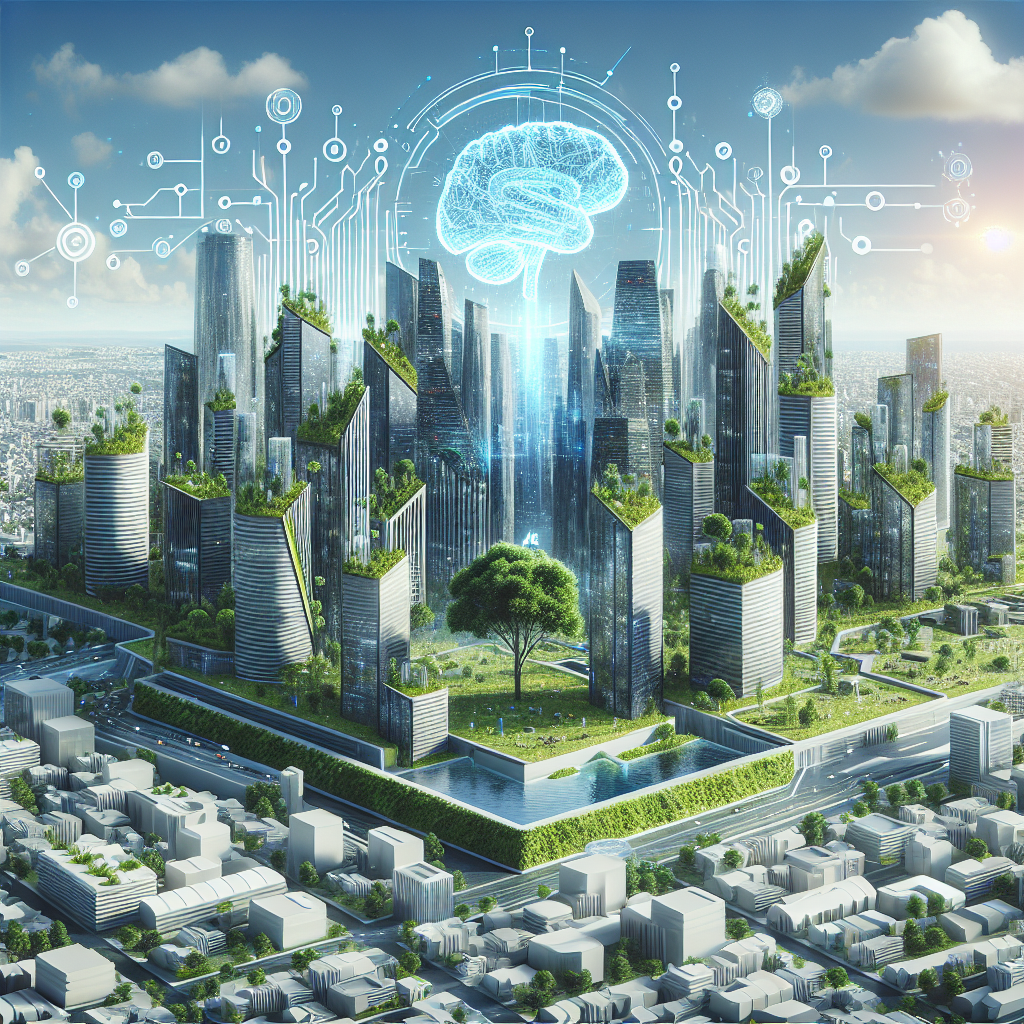
The integration of artificial intelligence (AI) into built environments is revolutionizing the way we design, construct, and manage our cities and buildings. As technology continues to advance at a rapid pace, AI is playing an increasingly important role in enhancing the resilience of our built environments, ensuring that they are able to adapt to and withstand the challenges of the modern world.
One of the key benefits of AI in built environments is its ability to optimize building performance and energy efficiency. By analyzing vast amounts of data in real-time, AI systems can identify patterns and trends in energy consumption, allowing building managers to make informed decisions about how to reduce energy usage and lower costs. This not only helps to reduce the environmental impact of buildings, but also improves the overall sustainability and resilience of the built environment.
AI is also being used to improve the safety and security of buildings. By integrating AI-driven surveillance systems, buildings can detect and respond to potential security threats in real-time, helping to prevent incidents before they occur. Additionally, AI can be used to monitor and manage building systems, such as HVAC and fire detection, to ensure that they are functioning properly and efficiently.
In the face of natural disasters and other emergencies, AI can play a crucial role in helping to mitigate the impact on built environments. By analyzing data from sensors and other sources, AI systems can quickly assess the extent of damage and prioritize response efforts. This can help to ensure that resources are allocated efficiently and effectively, minimizing the impact on buildings and the people who inhabit them.
Furthermore, AI can be used to improve the overall functionality and usability of buildings. By integrating AI-driven systems, buildings can be designed to adapt to the needs of their occupants, providing personalized experiences and improving the overall quality of life. This can help to create more resilient and sustainable communities, where people can live and work in environments that are tailored to their individual needs.
As AI continues to advance, the possibilities for its integration into built environments are virtually limitless. From smart cities to intelligent buildings, AI is reshaping the way we think about design and construction, and is helping to create more resilient and sustainable environments for future generations.
FAQs:
Q: How is AI being used to improve energy efficiency in buildings?
A: AI systems can analyze data on energy consumption in real-time, identifying patterns and trends that can help building managers make informed decisions about how to reduce energy usage and lower costs.
Q: How does AI improve the safety and security of buildings?
A: By integrating AI-driven surveillance systems, buildings can detect and respond to potential security threats in real-time, helping to prevent incidents before they occur.
Q: How can AI help buildings withstand natural disasters?
A: AI systems can analyze data from sensors and other sources to quickly assess the extent of damage and prioritize response efforts, helping to minimize the impact on buildings and their occupants.
Q: How does AI improve the functionality and usability of buildings?
A: By integrating AI-driven systems, buildings can be designed to adapt to the needs of their occupants, providing personalized experiences and improving the overall quality of life.
In conclusion, the integration of AI into built environments is transforming the way we design, construct, and manage our cities and buildings. By harnessing the power of AI, we can create more resilient and sustainable environments that are able to adapt to the challenges of the modern world. As technology continues to advance, the possibilities for AI in built environments are endless, and the future looks brighter than ever.