
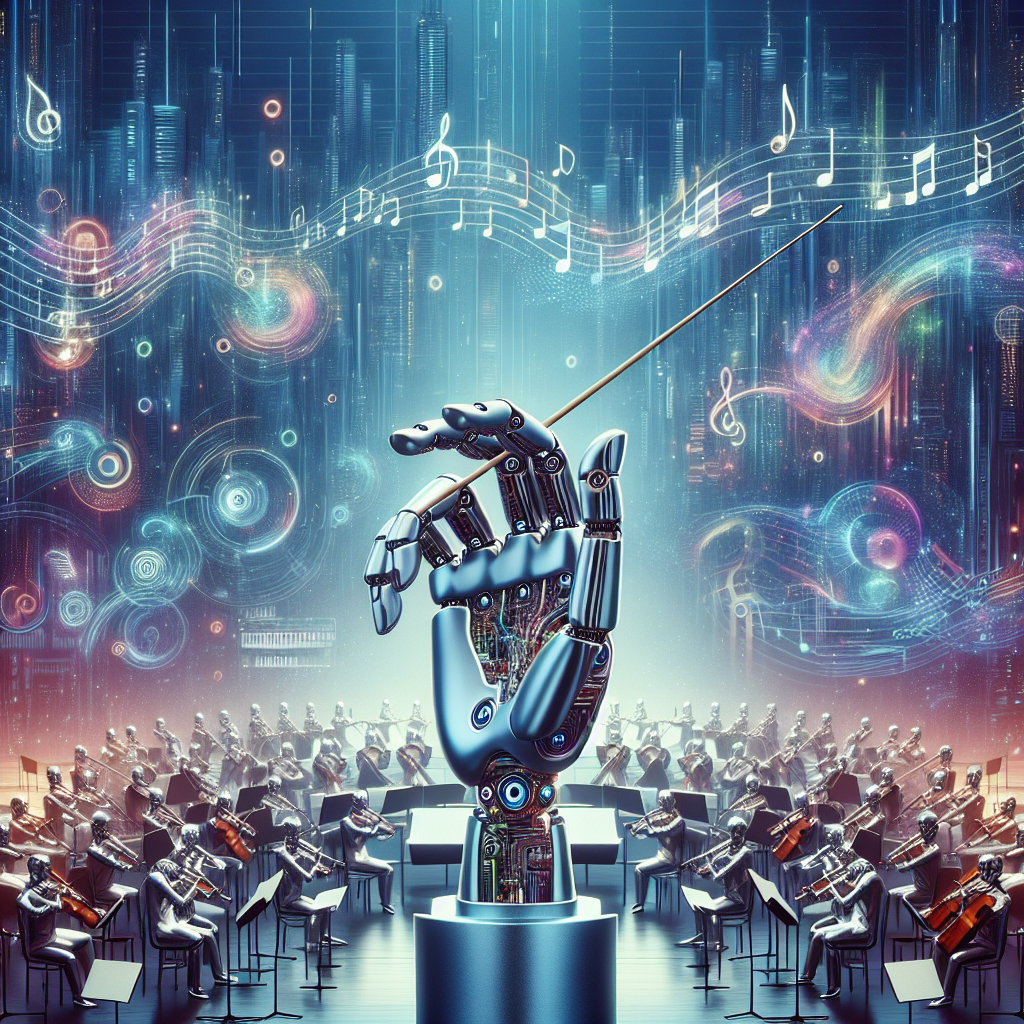
Artificial Intelligence (AI) has been making huge strides in various fields, and one area where it is increasingly being used is in music composition. The rise of algorithmic music composition, driven by AI technologies, is revolutionizing the way music is created and produced. From generating melodies to harmonies and rhythms, AI is being used to compose music that is both innovative and captivating.
AI has the ability to analyze vast amounts of data and learn patterns to create music compositions that can rival those created by human composers. This is achieved through machine learning algorithms that are trained on large datasets of music to understand the characteristics and structures of different genres and styles. By feeding AI systems with music theory and rules, they can generate new compositions that adhere to specific guidelines and preferences.
One of the key advantages of algorithmic music composition is the speed and efficiency with which AI can generate music. While human composers may take days or even weeks to create a single piece of music, AI algorithms can produce multiple compositions in a matter of minutes. This can be particularly useful for musicians and composers who are looking to quickly generate ideas and explore different musical possibilities.
AI is also being used to assist human composers in the creative process. By providing suggestions and ideas based on the analysis of existing music, AI systems can help composers overcome creative blocks and inspire new directions in their compositions. This collaborative approach can lead to the creation of music that blends the best of human creativity with the analytical capabilities of AI.
Another area where AI is being used in music composition is in the creation of personalized music experiences. By analyzing user preferences and listening habits, AI systems can generate music compositions that are tailored to individual tastes and preferences. This personalized approach can enhance the listening experience for users and provide them with music that resonates with their emotions and moods.
Despite the many benefits of algorithmic music composition, there are also challenges and limitations to consider. One of the main concerns is the potential loss of human creativity and originality in music composition. While AI can generate music that is technically proficient and follows established rules, some argue that it lacks the emotional depth and nuance that human composers bring to their music. Additionally, there are concerns about the impact of AI on the music industry, including issues related to copyright and intellectual property rights.
However, proponents of algorithmic music composition argue that AI can be a powerful tool for expanding the creative possibilities of music. By providing composers with new tools and techniques for exploring different musical ideas, AI can inspire innovation and experimentation in music composition. Furthermore, AI can help democratize music creation by making it more accessible to a wider range of people, including those who may not have formal training in music theory or composition.
In conclusion, the rise of algorithmic music composition driven by AI technologies is transforming the way music is created and produced. From generating melodies to harmonies and rhythms, AI is playing an increasingly important role in the creative process. While there are challenges and limitations to consider, the potential benefits of AI in music composition are vast. By harnessing the power of AI, composers can explore new musical possibilities and push the boundaries of creativity in ways that were previously unimaginable.
FAQs:
Q: How does AI generate music compositions?
A: AI generates music compositions by analyzing vast amounts of data and learning patterns to create melodies, harmonies, and rhythms. Machine learning algorithms are trained on large datasets of music to understand the characteristics and structures of different genres and styles, allowing AI systems to generate new compositions that adhere to specific guidelines and preferences.
Q: Can AI compose music that is as good as human composers?
A: AI can generate music compositions that rival those created by human composers in terms of technical proficiency and adherence to established rules. However, some argue that AI lacks the emotional depth and nuance that human composers bring to their music. Ultimately, the quality of AI-generated music compositions depends on the goals and preferences of the composer.
Q: How can AI assist human composers in the creative process?
A: AI can assist human composers in the creative process by providing suggestions and ideas based on the analysis of existing music. By helping composers overcome creative blocks and inspire new directions in their compositions, AI can enhance the collaborative and innovative aspects of music creation.
Q: What are some of the challenges and limitations of algorithmic music composition?
A: Some of the challenges and limitations of algorithmic music composition include concerns about the potential loss of human creativity and originality in music composition. There are also issues related to copyright and intellectual property rights, as well as questions about the emotional depth and nuance of AI-generated music compositions compared to those created by human composers.