
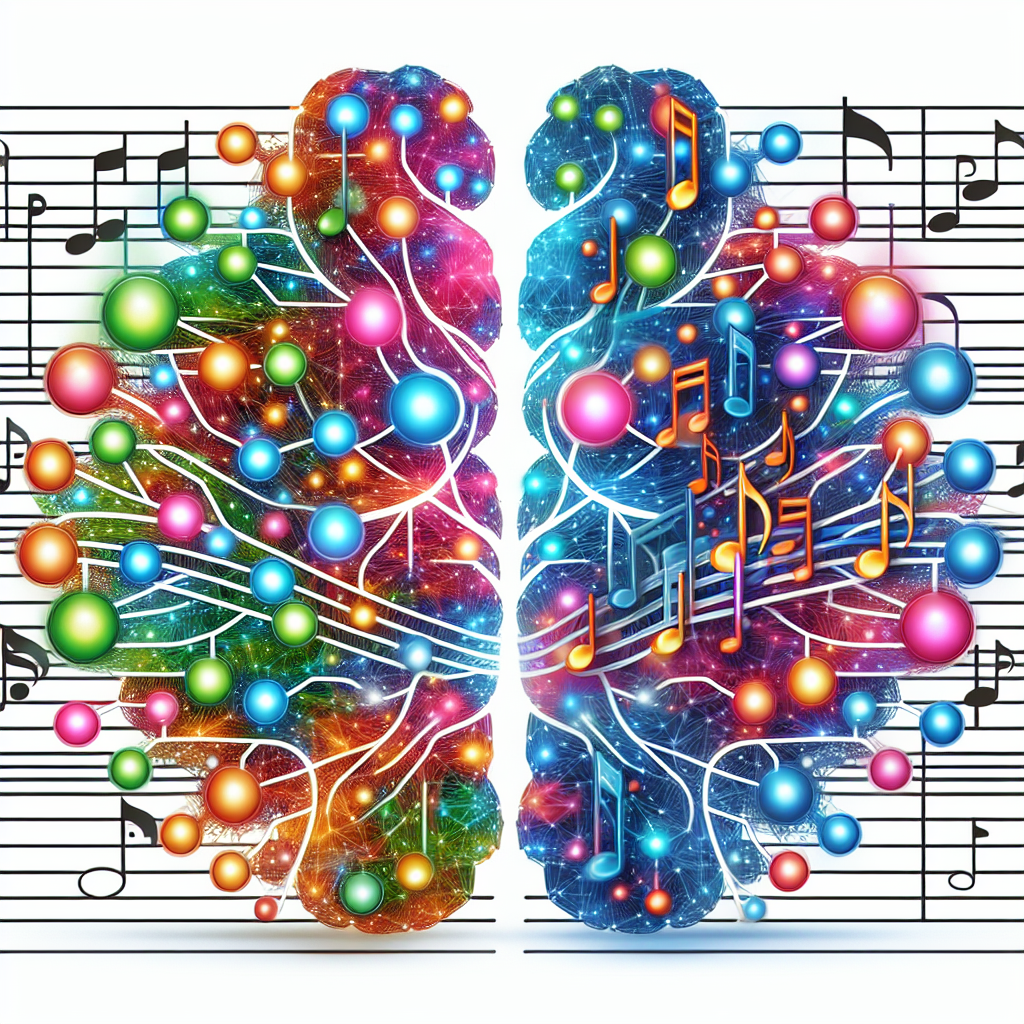
AI and the Rise of Algorithmic Music Theory
Music has always been a reflection of human creativity and emotion. From the early days of composing music on paper to the digital era of creating music on computers, the process of making music has evolved significantly over the years. One of the latest advancements in music creation is the use of artificial intelligence (AI) and algorithmic music theory.
Algorithmic music theory is a branch of music theory that involves the use of algorithms to generate and analyze music. By using AI and machine learning algorithms, musicians and composers can now create music in ways that were previously unimaginable. This technology has opened up new avenues for creativity and has led to the development of new genres and styles of music.
One of the key benefits of algorithmic music theory is its ability to assist musicians in the composition process. By analyzing patterns and structures in existing music, AI algorithms can generate new musical ideas and help composers explore different possibilities. This can be particularly useful for musicians who are looking to break out of creative ruts or explore new musical territories.
Another advantage of algorithmic music theory is its ability to create music that is tailored to individual preferences. By analyzing data on a listener’s musical tastes and preferences, AI algorithms can generate music that is personalized and tailored to the listener’s unique tastes. This can lead to a more engaging and immersive listening experience for the listener.
Algorithmic music theory has also been used in the field of music education. By using AI algorithms to analyze and generate music, educators can provide students with new tools and resources to enhance their understanding of music theory and composition. This can help students develop their creativity and musical skills in new and innovative ways.
However, despite the many benefits of algorithmic music theory, there are also some concerns and challenges associated with its use. One of the main concerns is the potential for AI algorithms to replace human creativity and intuition in the music composition process. While AI algorithms can generate music based on patterns and structures, they may lack the emotional depth and complexity that human composers bring to their work.
Another challenge is the ethical implications of using AI in music composition. As AI algorithms become more advanced and sophisticated, there is a risk that they could be used to manipulate and control the music industry. This could lead to a homogenization of music styles and a reduction in diversity and creativity in the music industry.
Despite these challenges, algorithmic music theory has the potential to revolutionize the music industry and open up new possibilities for musicians and composers. By combining the power of AI with human creativity and intuition, musicians can create music that is truly unique and groundbreaking.
FAQs
Q: Can AI algorithms really replace human composers in the music composition process?
A: While AI algorithms can assist musicians and composers in the composition process, they are unlikely to replace human creativity and intuition. Human composers bring a unique emotional depth and complexity to their work that AI algorithms may struggle to replicate.
Q: How can algorithmic music theory benefit musicians and composers?
A: Algorithmic music theory can benefit musicians and composers by providing them with new tools and resources to enhance their creativity and explore new musical possibilities. By analyzing patterns and structures in existing music, AI algorithms can help musicians generate new musical ideas and break out of creative ruts.
Q: What are the ethical implications of using AI in music composition?
A: The use of AI in music composition raises ethical concerns about the potential for AI algorithms to manipulate and control the music industry. There is a risk that AI algorithms could be used to homogenize music styles and reduce diversity and creativity in the industry.
Q: How can algorithmic music theory be used in music education?
A: Algorithmic music theory can be used in music education to provide students with new tools and resources to enhance their understanding of music theory and composition. By using AI algorithms to analyze and generate music, educators can help students develop their creativity and musical skills in new and innovative ways.