
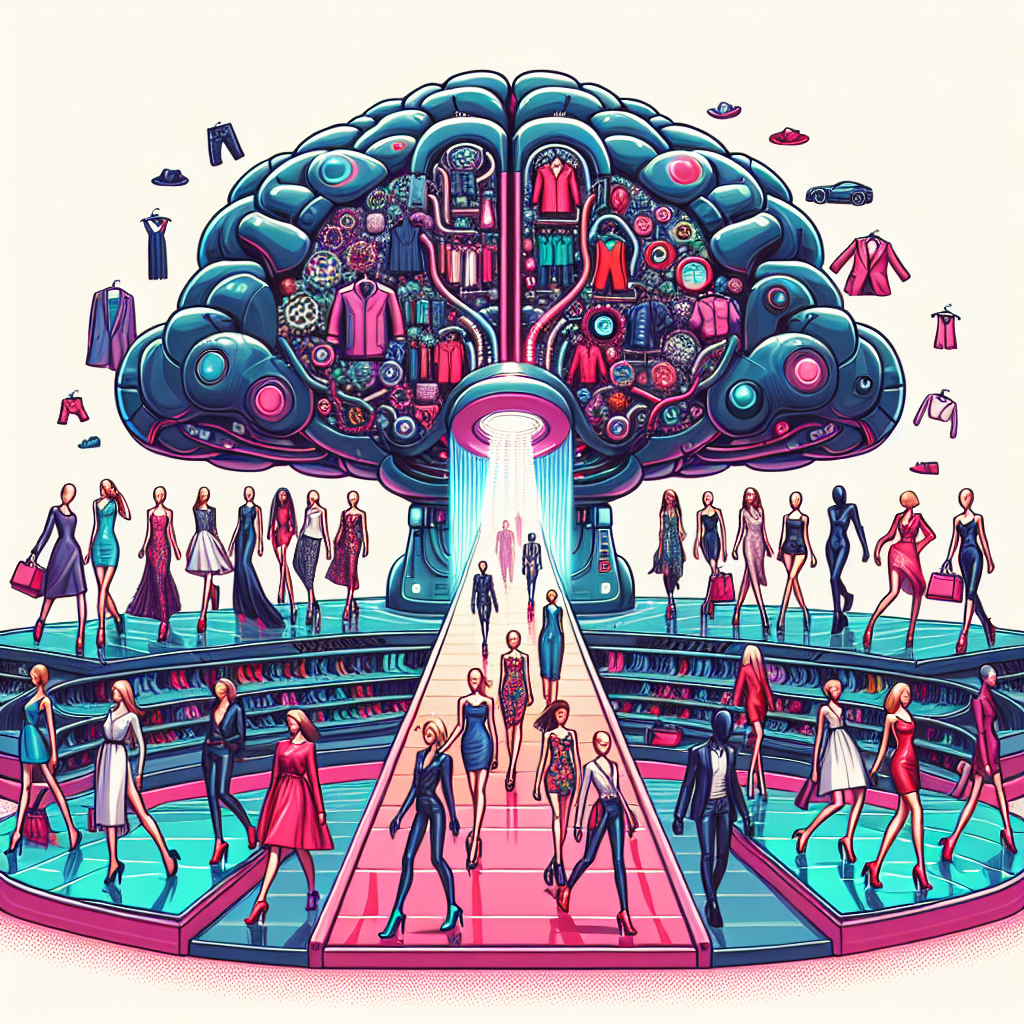
AI and the Rise of Fast Fashion: Friend or Foe?
In recent years, the fashion industry has experienced a significant transformation with the rise of fast fashion brands. These brands produce affordable, trendy clothing at a rapid pace, allowing consumers to stay on top of the latest styles without breaking the bank. However, this rapid production has raised concerns about the environmental and ethical implications of fast fashion.
One of the driving forces behind the growth of fast fashion is artificial intelligence (AI). AI has revolutionized the way fashion brands design, produce, and market their products, making the process faster and more efficient than ever before. But as AI continues to play a larger role in the fashion industry, questions arise about its impact on sustainability, labor practices, and more.
In this article, we will explore the role of AI in the rise of fast fashion, its benefits and drawbacks, and the potential implications for the future of the industry.
The Role of AI in Fast Fashion
AI has become an essential tool for fast fashion brands looking to streamline their operations and stay ahead of the competition. From trend forecasting to production optimization, AI technology is being used in various aspects of the fashion supply chain to make the process more efficient and cost-effective.
One of the key ways AI is being used in fast fashion is in trend forecasting. By analyzing data from social media, online search trends, and sales data, AI algorithms can predict upcoming fashion trends with a high degree of accuracy. This allows brands to quickly adapt their designs and production schedules to meet consumer demand, reducing the risk of overstocking or understocking.
AI is also being used to optimize production processes in fast fashion. By using algorithms to analyze production data and identify inefficiencies, brands can reduce waste and improve the speed and quality of their manufacturing processes. This not only helps to lower production costs but also allows brands to bring new styles to market faster than ever before.
In addition to trend forecasting and production optimization, AI is also being used in marketing and customer service in the fast fashion industry. By analyzing customer data and preferences, brands can create personalized shopping experiences for their customers, leading to increased sales and brand loyalty. AI-powered chatbots are also being used to provide instant customer support, improving the overall shopping experience for consumers.
Benefits of AI in Fast Fashion
There are several benefits to the use of AI in fast fashion. One of the biggest advantages is the ability to quickly adapt to changing consumer preferences and market trends. By using AI algorithms to analyze data and predict trends, brands can stay ahead of the competition and deliver the latest styles to consumers faster than ever before.
AI also helps to improve the efficiency of production processes in fast fashion. By identifying inefficiencies and optimizing production schedules, brands can reduce waste and lower costs, making it more sustainable and environmentally friendly. This also allows brands to produce clothing in smaller batches, reducing the risk of overstocking and minimizing the impact on the environment.
Another benefit of AI in fast fashion is the ability to create personalized shopping experiences for consumers. By analyzing customer data and preferences, brands can tailor their marketing efforts to individual customers, leading to increased sales and brand loyalty. AI-powered chatbots also provide instant customer support, improving the overall shopping experience for consumers.
Drawbacks of AI in Fast Fashion
While there are many benefits to the use of AI in fast fashion, there are also some drawbacks to consider. One of the main concerns is the impact of fast fashion on the environment. The rapid production and disposal of clothing by fast fashion brands contribute to pollution, waste, and other environmental issues. While AI can help to optimize production processes and reduce waste, it may not be enough to offset the negative impact of fast fashion on the environment.
Another drawback of AI in fast fashion is its potential impact on labor practices. As brands strive to increase efficiency and lower costs, there is a risk that AI technology could lead to job losses in the fashion industry. While AI can automate certain tasks and improve production processes, it may also result in the displacement of workers who are unable to adapt to the changing technological landscape.
There are also concerns about the ethical implications of AI in fast fashion. As brands collect and analyze vast amounts of data from consumers, there is a risk that privacy and data security could be compromised. Additionally, the use of AI algorithms in trend forecasting and design could lead to a homogenization of fashion styles, limiting creativity and diversity in the industry.
The Future of AI in Fast Fashion
Despite the drawbacks, AI is likely to play an increasingly important role in the future of fast fashion. As technology continues to advance, brands will have access to more sophisticated AI tools that can help them improve efficiency, reduce waste, and create personalized shopping experiences for consumers. However, it will be essential for brands to balance the benefits of AI with the need to address environmental and ethical concerns in the industry.
As consumers become more aware of the impact of fast fashion on the environment and labor practices, there is a growing demand for sustainable and ethical fashion options. Brands that are able to leverage AI technology to improve sustainability and transparency in their supply chains will be better positioned to meet the changing expectations of consumers.
FAQs
Q: How does AI help fast fashion brands with trend forecasting?
A: AI algorithms analyze data from social media, online search trends, and sales data to predict upcoming fashion trends with a high degree of accuracy, allowing brands to quickly adapt their designs and production schedules to meet consumer demand.
Q: What are the benefits of AI in fast fashion?
A: AI helps fast fashion brands to quickly adapt to changing trends, optimize production processes, and create personalized shopping experiences for consumers, leading to increased sales and brand loyalty.
Q: What are the drawbacks of AI in fast fashion?
A: The drawbacks of AI in fast fashion include concerns about its impact on the environment, labor practices, and ethical implications, such as privacy and data security.
Q: What is the future of AI in fast fashion?
A: AI is likely to play an increasingly important role in the future of fast fashion, helping brands to improve efficiency, reduce waste, and create sustainable and ethical fashion options for consumers.
In conclusion, AI has played a significant role in the rise of fast fashion, providing brands with the tools they need to stay ahead of the competition and meet the changing demands of consumers. While there are benefits to the use of AI in fast fashion, there are also drawbacks that need to be addressed. As the industry continues to evolve, it will be essential for brands to find a balance between leveraging AI technology and addressing environmental and ethical concerns in order to ensure a sustainable and responsible future for the fashion industry.