
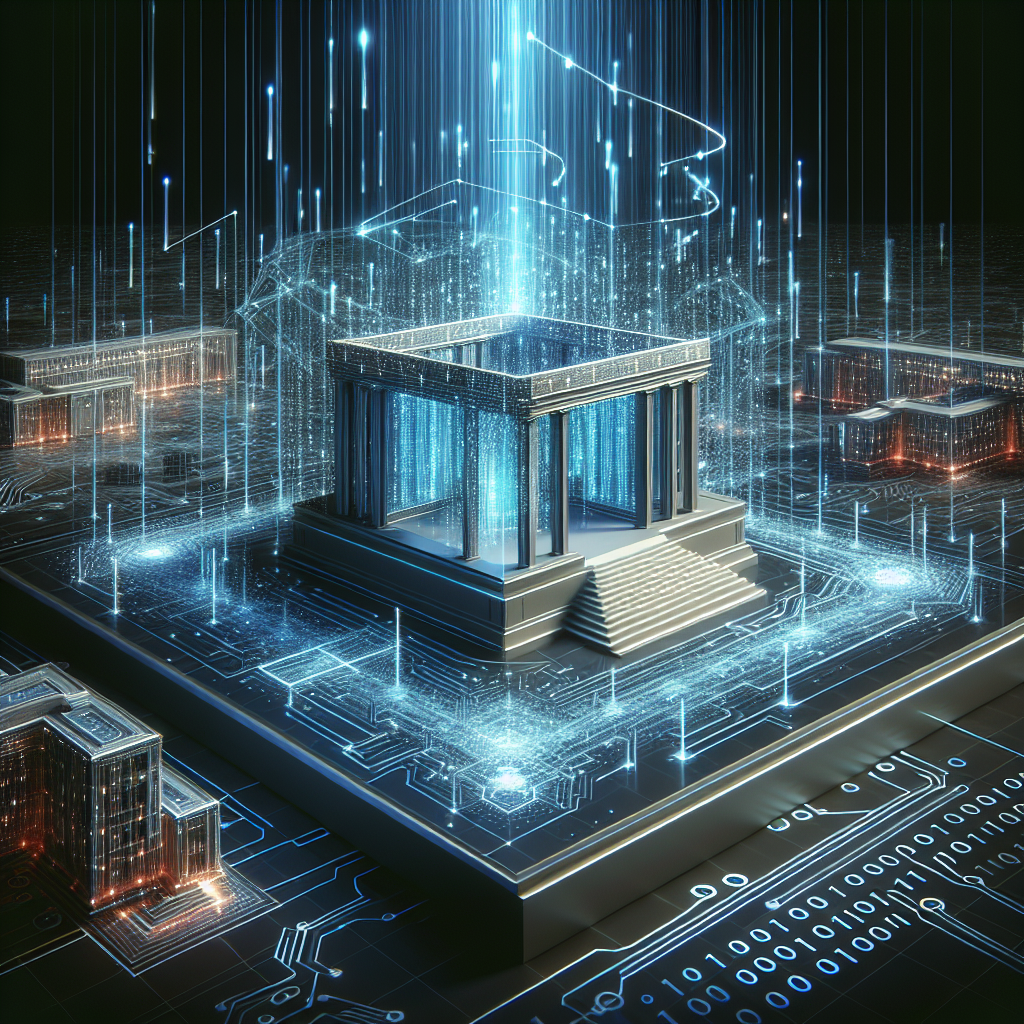
In recent years, artificial intelligence (AI) has been increasingly transforming various industries, and the field of architecture is no exception. AI has the potential to revolutionize the way architects work, from the design process to project management and construction. This article will explore the ways in which AI is reshaping architectural practice and the implications for the future of the industry.
1. Design Process
One of the most significant impacts of AI on architectural practice is in the design process. AI technologies can analyze vast amounts of data and generate design solutions based on specific criteria and constraints. This can help architects generate more innovative and efficient designs in a fraction of the time it would take using traditional methods.
AI algorithms can also assist architects in optimizing building performance and sustainability. For example, AI can analyze environmental data to determine the best orientation of a building for energy efficiency, or recommend materials and construction methods that minimize environmental impact.
Furthermore, AI can help architects explore new design possibilities by generating and testing multiple design options quickly and efficiently. This can lead to more creative and innovative solutions that may not have been considered otherwise.
2. Project Management
AI can also streamline project management processes in architectural practice. AI technologies can assist in scheduling, budgeting, and resource allocation, helping architects better manage their projects and ensure they are completed on time and within budget.
AI can also help architects analyze and predict potential risks and challenges in a project, allowing them to proactively address issues before they become problematic. By providing real-time data and insights, AI can help architects make more informed decisions and improve project outcomes.
Additionally, AI can automate repetitive tasks such as documentation and reporting, freeing up architects to focus on more creative and strategic aspects of their work. This can increase productivity and efficiency, leading to faster project delivery and higher client satisfaction.
3. Construction
AI technologies are also transforming the construction phase of architectural projects. AI can assist in construction planning and logistics, helping architects optimize the construction process and reduce waste. For example, AI can analyze construction schedules and identify potential bottlenecks or inefficiencies, allowing architects to make adjustments to streamline the process.
AI can also be used to monitor construction progress and quality in real-time, using sensors and cameras to collect data on site conditions and performance. This can help architects identify issues early on and address them before they escalate, improving the overall quality of the finished project.
Furthermore, AI can help architects harness the power of prefabrication and modular construction, allowing for faster and more cost-effective construction methods. By using AI to optimize design for prefabricated components, architects can reduce construction time and costs while maintaining quality and consistency.
4. FAQs
Q: How is AI being used in architectural design?
A: AI is being used in architectural design to generate design solutions, optimize building performance, explore new design possibilities, and improve sustainability. AI algorithms can analyze data and generate design options based on specific criteria and constraints, helping architects create more efficient and innovative designs.
Q: How can AI streamline project management in architectural practice?
A: AI can streamline project management in architectural practice by assisting in scheduling, budgeting, and resource allocation, analyzing and predicting risks, automating repetitive tasks, and providing real-time data and insights to help architects make informed decisions.
Q: How is AI transforming the construction phase of architectural projects?
A: AI is transforming the construction phase of architectural projects by assisting in construction planning and logistics, monitoring construction progress and quality in real-time, and optimizing design for prefabricated components. AI technologies can help architects streamline the construction process, reduce waste, and improve efficiency and quality.
In conclusion, AI is revolutionizing architectural practice by enhancing the design process, streamlining project management, and transforming the construction phase of projects. By leveraging AI technologies, architects can create more innovative and sustainable designs, improve project outcomes, and deliver projects more efficiently. As AI continues to evolve, the future of architectural practice is sure to be shaped by its transformative capabilities.