
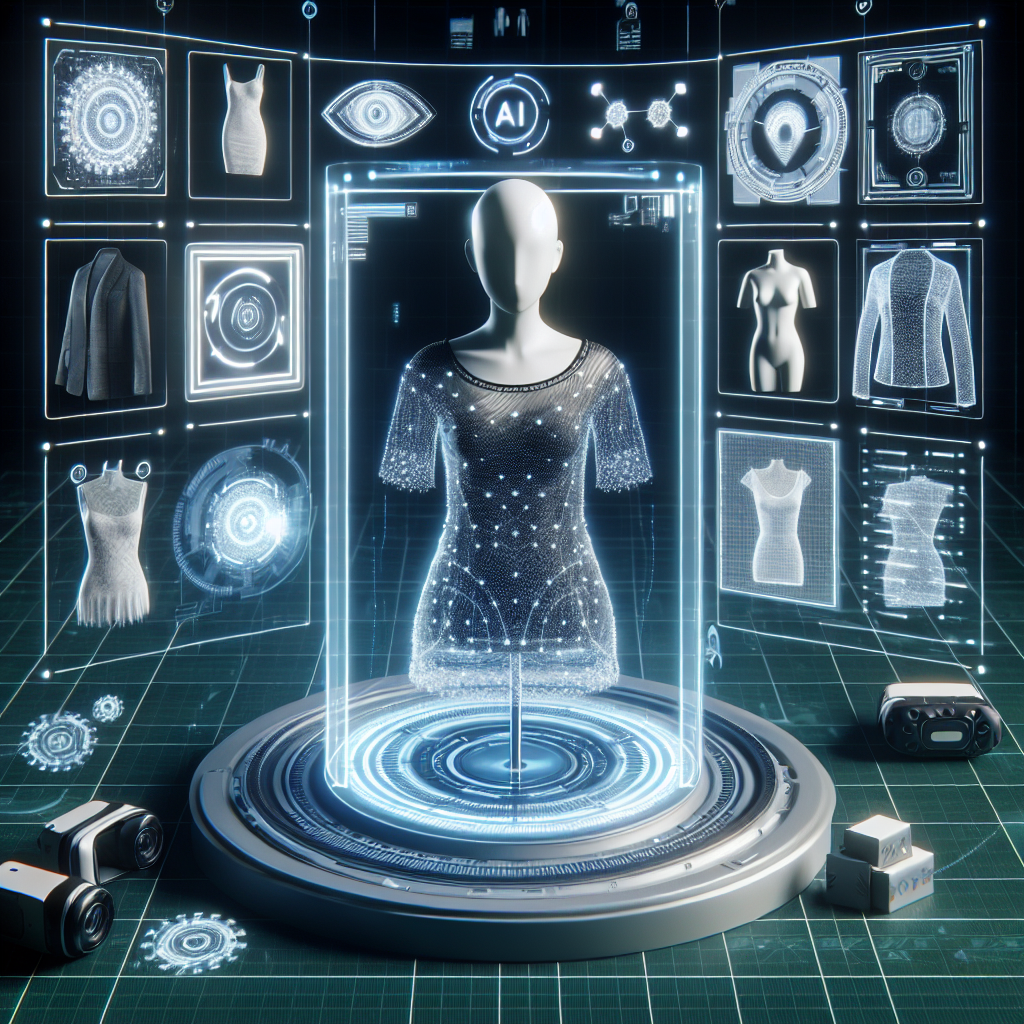
AI and Virtual Try-Ons: The Future of Fitting Rooms
In today’s digital age, technology continues to transform the way we shop and interact with brands. One of the most exciting advancements in the world of retail is the rise of AI-powered virtual try-ons. These virtual fitting rooms allow shoppers to try on clothes, accessories, and even makeup virtually before making a purchase, revolutionizing the traditional in-store fitting room experience.
What is Virtual Try-On?
Virtual try-on technology uses artificial intelligence and augmented reality to create a virtual fitting room experience for shoppers. By simply uploading a photo or using their device’s camera, customers can see how different clothing items look on them in real-time. This technology allows shoppers to visualize how a piece of clothing fits, drapes, and moves on their body without having to physically try it on.
Virtual try-on technology is being used by a variety of retailers, from fashion brands to beauty companies, to provide a more engaging and personalized shopping experience for customers. By incorporating AI algorithms that analyze body shape, size, and movement, virtual try-ons can help customers make more informed purchasing decisions and reduce the likelihood of returns.
How Does Virtual Try-On Work?
Virtual try-on technology utilizes a combination of AI, computer vision, and machine learning algorithms to create a realistic and interactive virtual fitting room experience. When a customer uploads a photo or uses their device’s camera, the AI software analyzes key data points such as body measurements, skin tone, and facial features to create a 3D model of the customer.
The AI algorithm then overlays the selected clothing item or makeup product onto the customer’s virtual avatar, adjusting for size, fit, and color. Customers can then see how the product looks on them from different angles, in various lighting conditions, and even in motion. This allows customers to get a true sense of how the product will look and feel before making a purchase.
Benefits of Virtual Try-On
Virtual try-on technology offers a number of benefits for both customers and retailers. For customers, virtual try-ons provide a convenient and interactive way to shop for clothing and accessories online. By being able to see how a product looks on them before purchasing, customers can make more confident and informed decisions, leading to higher satisfaction and reduced returns.
For retailers, virtual try-ons can help enhance the online shopping experience, increase conversion rates, and reduce the costs associated with returns. By leveraging AI and virtual try-on technology, retailers can provide a more personalized and engaging shopping experience for customers, leading to increased brand loyalty and repeat purchases.
The Future of Fitting Rooms
As virtual try-on technology continues to evolve and improve, the future of fitting rooms is likely to become increasingly digital and interactive. With advancements in AI, machine learning, and computer vision, virtual try-ons will become even more realistic and personalized, allowing customers to virtually try on a wide range of products, from clothing to accessories to makeup.
In the coming years, we can expect to see more retailers adopting virtual try-on technology as a standard feature on their websites and mobile apps. Virtual fitting rooms will become a key tool for brands to differentiate themselves in a competitive market, providing customers with a unique and engaging shopping experience that is tailored to their individual preferences and needs.
FAQs
Q: How accurate are virtual try-ons?
A: Virtual try-on technology has become increasingly accurate and realistic thanks to advancements in AI and computer vision. While virtual try-ons may not be 100% accurate, they provide a good approximation of how a product will look on the customer based on their body measurements and skin tone.
Q: Can virtual try-ons help reduce returns?
A: Virtual try-ons have been shown to help reduce returns by providing customers with a better understanding of how a product will fit and look on them before making a purchase. By giving customers a more realistic view of the product, virtual try-ons can help prevent sizing and fit issues that often lead to returns.
Q: How secure is virtual try-on technology?
A: Virtual try-on technology is designed to be secure and protect customer data and privacy. Retailers use encryption and other security measures to ensure that customer photos and personal information are protected. Customers can also choose to delete their virtual try-on data after use for added security.
Q: Are virtual try-ons only for clothing?
A: Virtual try-ons are not limited to clothing. Retailers are using virtual try-on technology for a wide range of products, including accessories, jewelry, eyewear, and even makeup. Customers can virtually try on a variety of products to get a better sense of how they will look before making a purchase.