
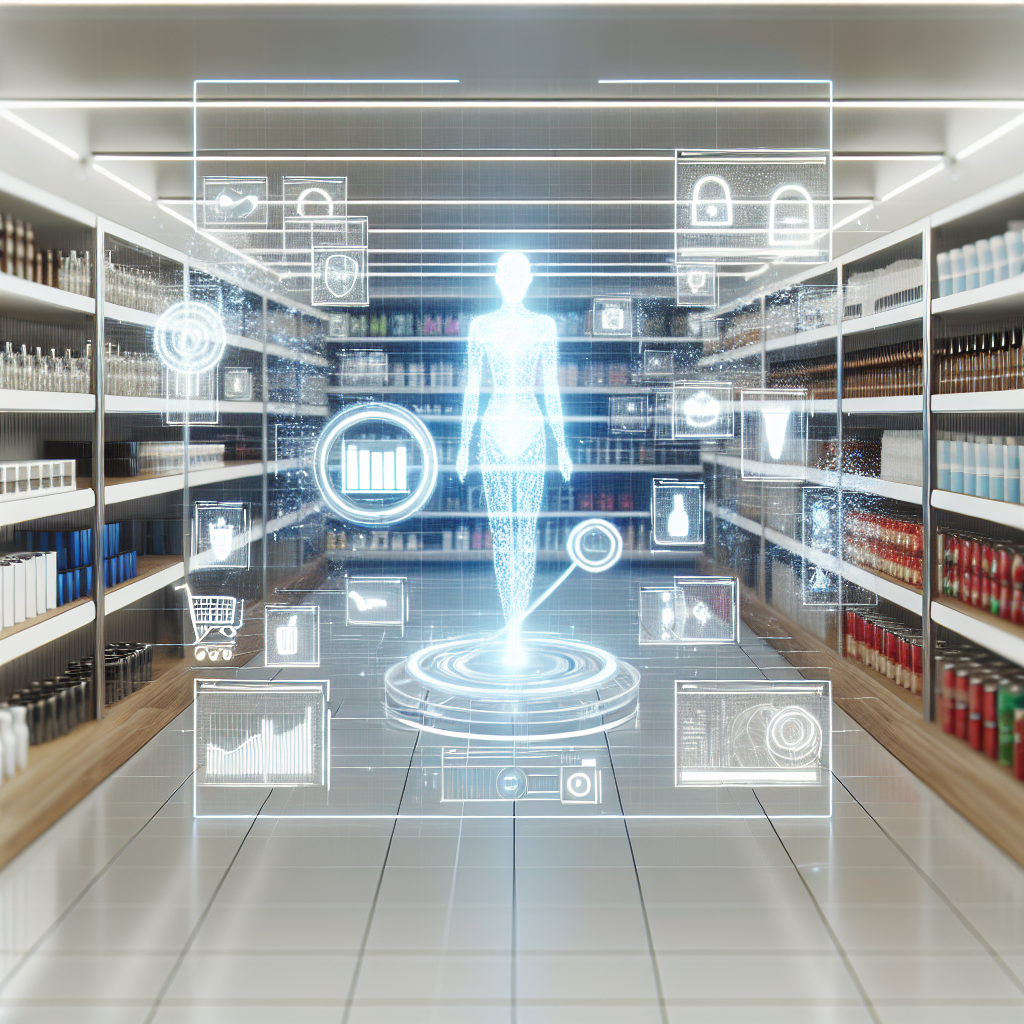
Artificial Intelligence (AI) is revolutionizing the way retailers approach visual merchandising, creating more compelling and personalized retail experiences for customers. By harnessing the power of AI, retailers can optimize their displays, improve customer engagement, and increase sales.
Visual merchandising is a crucial aspect of retailing, as it involves creating visually appealing displays to attract customers and drive sales. Traditionally, visual merchandising has been a manual and labor-intensive process, requiring retailers to constantly update and refresh their displays to keep up with changing trends and customer preferences. However, with the advent of AI technology, retailers now have the ability to automate and optimize their visual merchandising strategies, leading to more engaging and personalized experiences for customers.
One of the key ways AI is transforming visual merchandising is through the use of data analytics. Retailers can now collect and analyze vast amounts of data from various sources, such as customer behavior, social media trends, and sales data, to better understand their customers and create more targeted and relevant displays. By using AI algorithms to analyze this data, retailers can identify patterns and trends that can help them optimize their displays and predict future customer behavior.
AI-powered visual merchandising also enables retailers to create more personalized experiences for customers. By leveraging AI technology, retailers can track and analyze customer preferences, shopping habits, and demographics to deliver targeted and relevant content to individual customers. For example, retailers can use AI algorithms to recommend products based on a customer’s browsing history or previous purchases, leading to a more personalized and engaging shopping experience.
In addition, AI can help retailers optimize their visual merchandising displays in real-time. By using AI-powered algorithms, retailers can track customer foot traffic, engagement levels, and sales data to make instant adjustments to their displays. For example, retailers can use AI technology to rearrange products, change lighting, or update signage to better attract customers and drive sales.
Furthermore, AI can help retailers create more immersive and interactive retail experiences. By using technologies such as augmented reality (AR) and virtual reality (VR), retailers can create virtual showrooms, interactive displays, and personalized shopping experiences that engage customers and drive sales. For example, retailers can use AR technology to allow customers to virtually try on clothes or accessories, leading to a more engaging and personalized shopping experience.
Overall, AI is transforming visual merchandising by enabling retailers to create more compelling, personalized, and immersive retail experiences for customers. By harnessing the power of AI technology, retailers can optimize their displays, improve customer engagement, and increase sales, leading to a more successful and profitable retail business.
FAQs:
1. What are some examples of AI-powered visual merchandising tools?
Some examples of AI-powered visual merchandising tools include dynamic pricing software, virtual reality showrooms, personalized product recommendations, and automated visual merchandising platforms.
2. How can AI help retailers create more personalized experiences for customers?
AI can help retailers create more personalized experiences for customers by analyzing customer data, such as browsing history, shopping habits, and demographics, to deliver targeted and relevant content to individual customers.
3. What are the benefits of using AI in visual merchandising?
The benefits of using AI in visual merchandising include improved customer engagement, increased sales, optimized displays, personalized experiences, and real-time adjustments.
4. How can retailers implement AI-powered visual merchandising strategies?
Retailers can implement AI-powered visual merchandising strategies by investing in AI technology, collecting and analyzing customer data, creating personalized experiences, and optimizing displays in real-time.
5. What are some challenges retailers may face when implementing AI in visual merchandising?
Some challenges retailers may face when implementing AI in visual merchandising include data privacy concerns, technical difficulties, cost of implementation, and resistance to change from employees.
In conclusion, AI is revolutionizing visual merchandising by enabling retailers to create more compelling, personalized, and immersive retail experiences for customers. By harnessing the power of AI technology, retailers can optimize their displays, improve customer engagement, and increase sales, leading to a more successful and profitable retail business.