
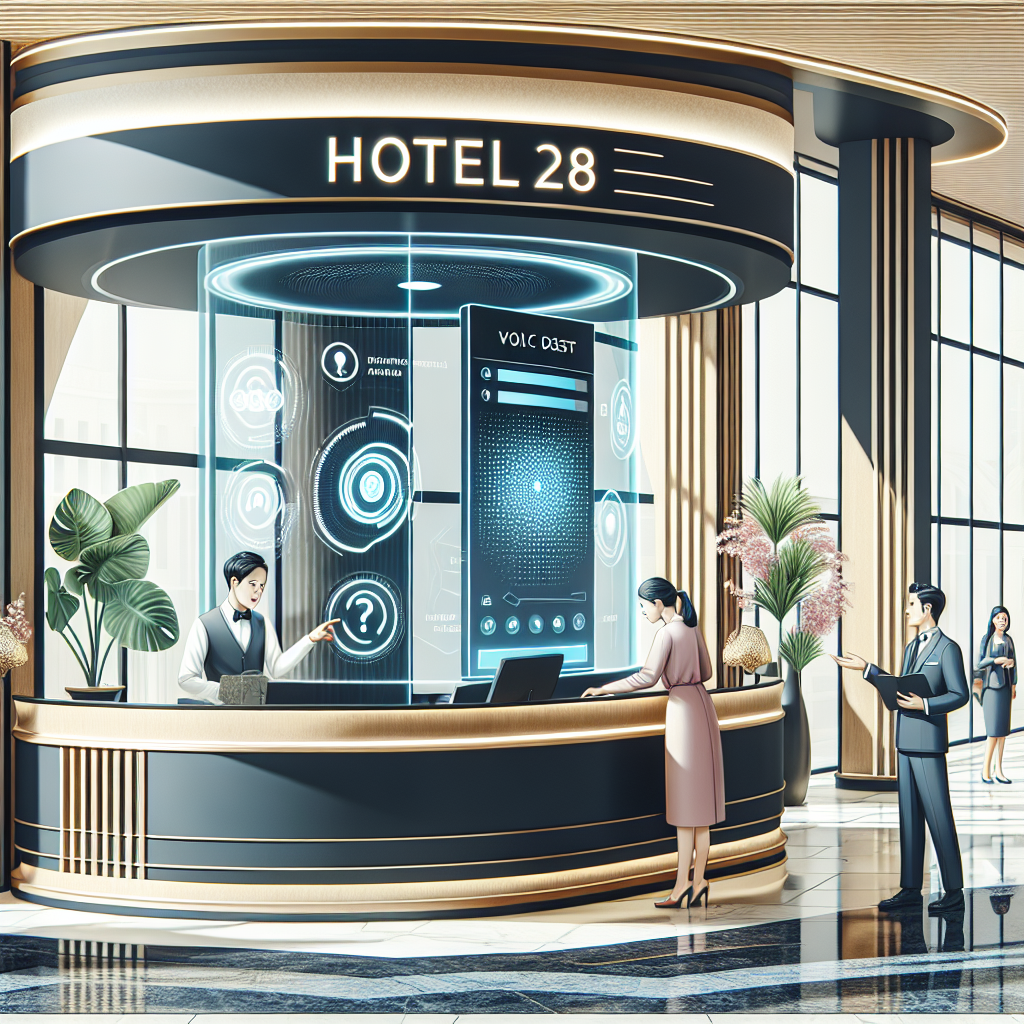
Artificial intelligence (AI) and voice recognition technology are revolutionizing the way hotels operate and provide services to their guests. These technologies are being increasingly integrated into hotel operations to enhance guest experience, improve efficiency, and personalize services. In this article, we will explore how AI and voice recognition technology are transforming the hospitality industry, and discuss some of the frequently asked questions about these technologies in hotels.
AI in Hotels:
AI is being used in hotels in various ways to streamline operations and deliver exceptional guest experiences. One of the most common applications of AI in hotels is chatbots, which are AI-powered virtual assistants that can assist guests with booking reservations, providing recommendations, answering questions, and addressing concerns. Chatbots can be integrated into a hotel’s website, mobile app, or messaging platforms to provide instant responses to guest inquiries and provide personalized recommendations based on their preferences.
Another way AI is being used in hotels is for predictive analytics, which enables hotels to anticipate guest needs and preferences. By analyzing data such as guest booking history, preferences, and behavior, hotels can tailor their services to meet individual guest needs and provide personalized experiences. For example, AI can be used to predict which amenities a guest is likely to use during their stay, or which room type they prefer, and offer personalized recommendations based on this information.
Voice Recognition Technology in Hotels:
Voice recognition technology is also being increasingly integrated into hotel operations to enhance guest experience and improve efficiency. Voice-activated devices such as Amazon Echo and Google Home are being used in hotel rooms to enable guests to control room settings, request services, and access information using voice commands. Guests can use voice commands to adjust room temperature, control lighting, request room service, or ask for information about hotel amenities and nearby attractions.
Hotels are also using voice recognition technology to provide personalized recommendations and offers to guests. By analyzing guest preferences and behavior, hotels can use voice-activated devices to offer personalized recommendations for dining options, activities, and services based on individual guest preferences. For example, a guest can ask for restaurant recommendations, and the voice-activated device can provide suggestions based on the guest’s cuisine preferences, budget, and location.
FAQs about AI and Voice Recognition Technology in Hotels:
Q: How secure is voice recognition technology in hotels?
A: Voice recognition technology in hotels is designed to be secure and protect guest privacy. Hotels use encryption and other security measures to ensure that guest data is protected and only accessible to authorized personnel. Guests can also choose to opt-out of using voice-activated devices in their rooms if they have concerns about privacy.
Q: Can voice recognition technology in hotels understand different accents and languages?
A: Voice recognition technology in hotels is designed to understand a variety of accents and languages to provide a seamless experience for guests. Hotels can customize voice-activated devices to recognize different accents and languages based on guest preferences and requirements.
Q: How can hotels ensure that AI and voice recognition technology enhance the guest experience?
A: Hotels can ensure that AI and voice recognition technology enhance the guest experience by providing training to staff on how to use these technologies effectively, and by regularly updating and improving the technology based on guest feedback. Hotels can also personalize services and recommendations based on guest preferences and behavior to create a more personalized and memorable experience for guests.
Q: How can guests provide feedback on AI and voice recognition technology in hotels?
A: Guests can provide feedback on AI and voice recognition technology in hotels through guest surveys, feedback forms, and online reviews. Hotels can use this feedback to improve their services, enhance the guest experience, and address any concerns or issues that guests may have regarding the use of these technologies.
In conclusion, AI and voice recognition technology are transforming the hospitality industry and revolutionizing the way hotels operate and provide services to their guests. These technologies are being increasingly integrated into hotel operations to enhance guest experience, improve efficiency, and personalize services. By leveraging AI and voice recognition technology, hotels can create a more personalized and memorable experience for guests, streamline operations, and stay ahead of the competition in the rapidly evolving hospitality industry.