
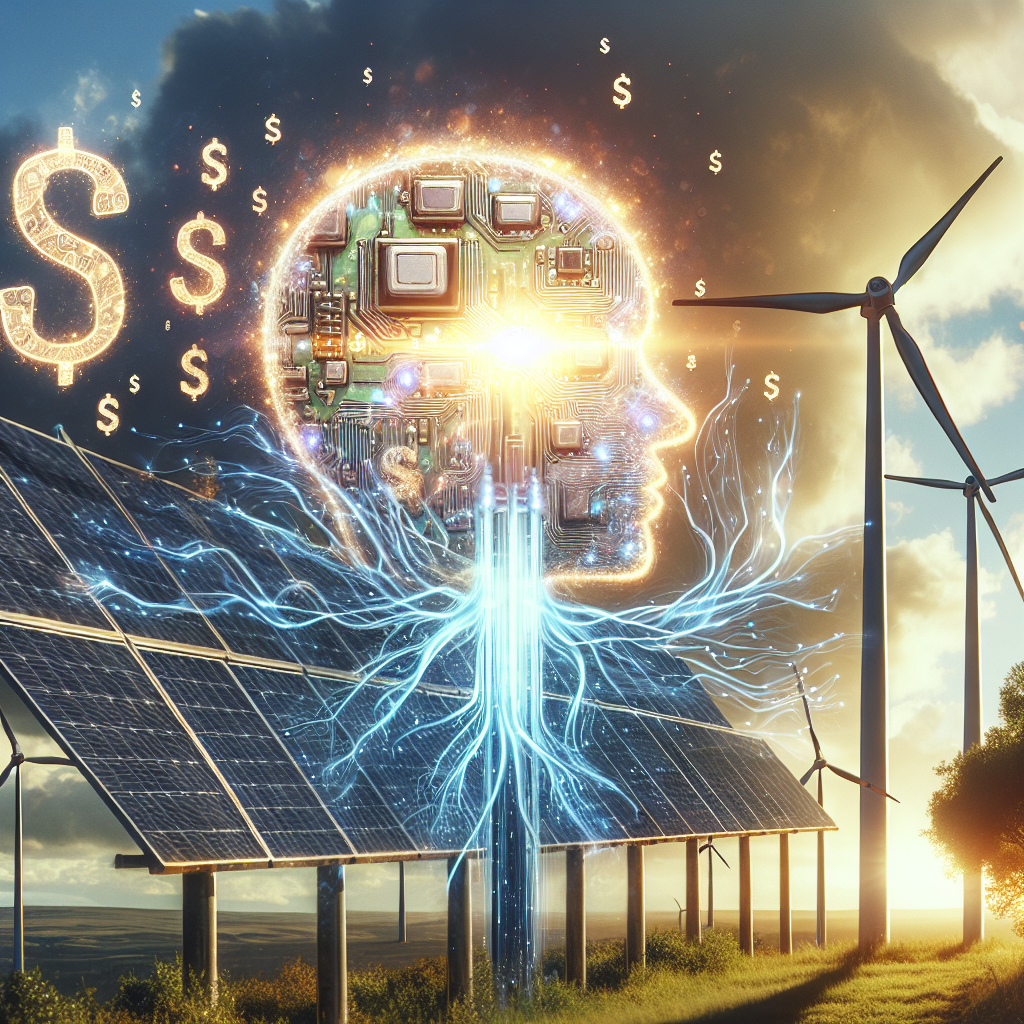
Artificial Intelligence (AI) is revolutionizing the way businesses operate in various industries, and the renewable energy sector is no exception. AI applications have the potential to accelerate the expansion of the renewable energy market by optimizing energy production, improving efficiency, and reducing costs. In this article, we will explore some of the key AI applications for the renewable energy market and how they are driving growth and innovation in the industry.
1. Predictive Maintenance
One of the key challenges in the renewable energy sector is ensuring the reliability and performance of energy-generating assets such as wind turbines and solar panels. AI-powered predictive maintenance systems can help address this challenge by analyzing data from sensors and other sources to predict when equipment is likely to fail. By identifying potential issues before they occur, companies can schedule maintenance proactively, minimize downtime, and extend the lifespan of their assets.
2. Energy Forecasting
AI algorithms can analyze historical data, weather patterns, and other factors to forecast energy production from renewable sources such as wind and solar. These forecasts can help energy providers optimize their operations, plan for fluctuations in energy supply, and make more informed decisions about when to buy or sell energy on the market. By accurately predicting energy production, companies can maximize their revenue and reduce the need for backup power sources.
3. Grid Optimization
AI applications can also optimize the distribution of energy on the grid by analyzing real-time data on energy demand, weather conditions, and other variables. By adjusting the flow of electricity to match supply and demand more effectively, AI can help reduce waste, lower costs, and improve the overall efficiency of the grid. This can be particularly valuable in regions with high levels of renewable energy production, where balancing supply and demand can be challenging.
4. Energy Storage
Energy storage is a key component of the renewable energy market, allowing companies to store excess energy when production is high and release it when demand is high. AI technologies can optimize energy storage systems by predicting when energy will be needed, adjusting storage levels accordingly, and maximizing the efficiency of the storage process. By optimizing energy storage, companies can reduce costs, increase reliability, and improve the overall performance of renewable energy systems.
5. Customer Insights
AI applications can also help energy providers better understand their customers’ behavior and preferences, allowing them to tailor their services more effectively. By analyzing data on energy consumption patterns, customer demographics, and other factors, companies can identify opportunities to offer personalized services, improve customer satisfaction, and increase retention rates. This can be especially valuable in competitive markets where companies are looking for ways to differentiate themselves from their competitors.
FAQs
Q: How is AI being used in the renewable energy market?
A: AI is being used in the renewable energy market in a variety of ways, including predictive maintenance, energy forecasting, grid optimization, energy storage, and customer insights. These applications help companies optimize their operations, reduce costs, and improve the overall performance of renewable energy systems.
Q: What are the benefits of using AI in the renewable energy market?
A: The benefits of using AI in the renewable energy market include increased efficiency, reduced costs, improved reliability, and enhanced customer satisfaction. AI applications can help companies make more informed decisions, optimize their operations, and stay competitive in a rapidly evolving industry.
Q: What are some of the challenges of implementing AI in the renewable energy market?
A: Some of the challenges of implementing AI in the renewable energy market include data quality issues, regulatory constraints, and the need for specialized expertise. Companies may also face resistance from employees who are unfamiliar with AI technologies or skeptical of their benefits.
Q: How can companies overcome these challenges and successfully implement AI in the renewable energy market?
A: Companies can overcome these challenges by investing in data quality, training employees on AI technologies, working closely with regulators, and partnering with experts in the field. By taking a strategic approach to AI implementation, companies can maximize the benefits of these technologies and drive growth in the renewable energy market.
In conclusion, AI applications have the potential to revolutionize the renewable energy market by optimizing energy production, improving efficiency, and reducing costs. By leveraging AI technologies such as predictive maintenance, energy forecasting, grid optimization, energy storage, and customer insights, companies can accelerate the expansion of the renewable energy market and drive innovation in the industry. As AI continues to evolve and become more widespread, the possibilities for growth and transformation in the renewable energy sector are limitless.