
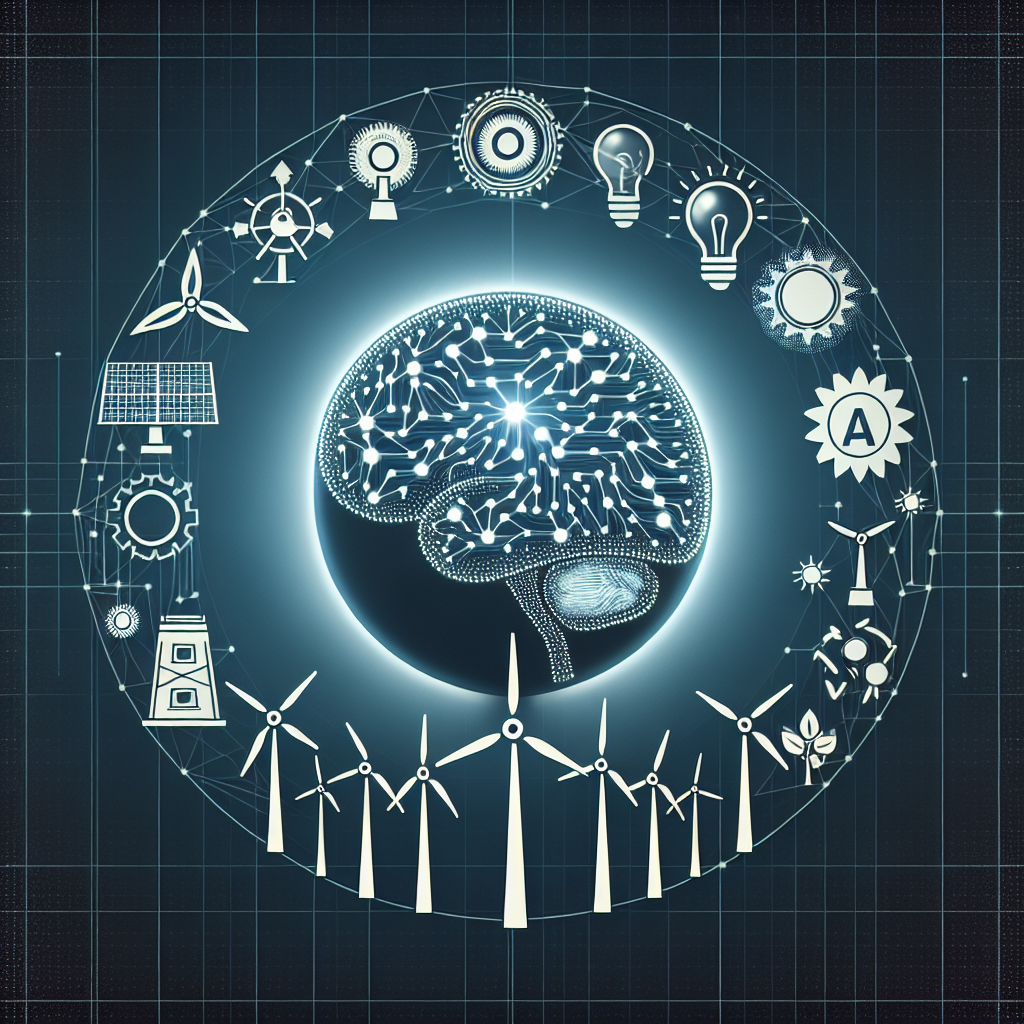
AI Applications for Renewable Energy Market Innovation
Introduction
Renewable energy sources such as solar, wind, and hydroelectric power are becoming increasingly popular as the world shifts towards a more sustainable energy future. As the demand for renewable energy grows, so does the need for innovative solutions to optimize its efficiency and effectiveness. Artificial Intelligence (AI) is emerging as a powerful tool in the renewable energy sector, offering a wide range of applications that can revolutionize the way we generate, store, and distribute clean energy. In this article, we will explore some of the key AI applications for renewable energy market innovation.
AI Applications for Renewable Energy Market Innovation
1. Forecasting and Optimization
One of the key challenges in the renewable energy sector is the variability of energy production from sources such as solar and wind. AI algorithms can analyze historical data on weather patterns, energy production, and consumption to predict future energy generation and demand. This enables energy providers to optimize their operations by adjusting production schedules, storage capacity, and distribution networks to meet fluctuating energy needs more effectively.
2. Asset Management
AI-powered predictive maintenance systems can help renewable energy companies monitor the condition of their assets in real-time and identify potential issues before they lead to costly downtime. By analyzing data from sensors and other monitoring devices, AI algorithms can predict when components are likely to fail and recommend maintenance actions to prevent disruptions in energy production.
3. Energy Storage
Energy storage is a critical component of renewable energy systems, allowing excess energy to be stored when production exceeds demand and released when production falls short. AI can optimize the operation of energy storage systems by predicting energy generation and consumption patterns, adjusting charging and discharging schedules, and maximizing the efficiency of battery storage solutions.
4. Grid Management
AI-powered smart grid technologies can help utilities and energy providers manage the integration of renewable energy sources into the existing power grid more effectively. By analyzing data on energy production, consumption, and distribution in real-time, AI algorithms can optimize grid operations, balance supply and demand, and prevent grid instability and blackouts.
5. Demand Response
AI can help utilities and energy providers implement demand response programs that incentivize consumers to adjust their energy usage during peak demand periods. By analyzing data on energy prices, weather conditions, and consumer behavior, AI algorithms can predict when demand will be highest and encourage consumers to shift their usage to off-peak hours, reducing strain on the grid and lowering energy costs.
FAQs
Q: How can AI help increase the efficiency of renewable energy production?
A: AI algorithms can analyze data on weather patterns, energy production, and consumption to optimize the operation of renewable energy systems, predict future energy generation and demand, and adjust production schedules, storage capacity, and distribution networks accordingly.
Q: What are some examples of AI applications in renewable energy asset management?
A: AI-powered predictive maintenance systems can monitor the condition of assets in real-time, predict when components are likely to fail, and recommend maintenance actions to prevent disruptions in energy production.
Q: How can AI optimize energy storage systems in the renewable energy sector?
A: AI algorithms can predict energy generation and consumption patterns, adjust charging and discharging schedules, and maximize the efficiency of battery storage solutions to optimize the operation of energy storage systems.
Q: What is the role of AI in smart grid technologies for renewable energy integration?
A: AI-powered smart grid technologies can analyze data on energy production, consumption, and distribution in real-time to optimize grid operations, balance supply and demand, prevent grid instability, and manage the integration of renewable energy sources into the existing power grid more effectively.
Conclusion
AI applications are transforming the renewable energy sector by providing innovative solutions to increase efficiency, optimize operations, and manage the integration of clean energy sources into the existing power grid. By harnessing the power of AI technologies, renewable energy companies can overcome the challenges of variability, unpredictability, and intermittency inherent in sources such as solar and wind power, and accelerate the transition towards a more sustainable energy future. As AI continues to evolve and improve, its potential to drive innovation and growth in the renewable energy market is limitless.