
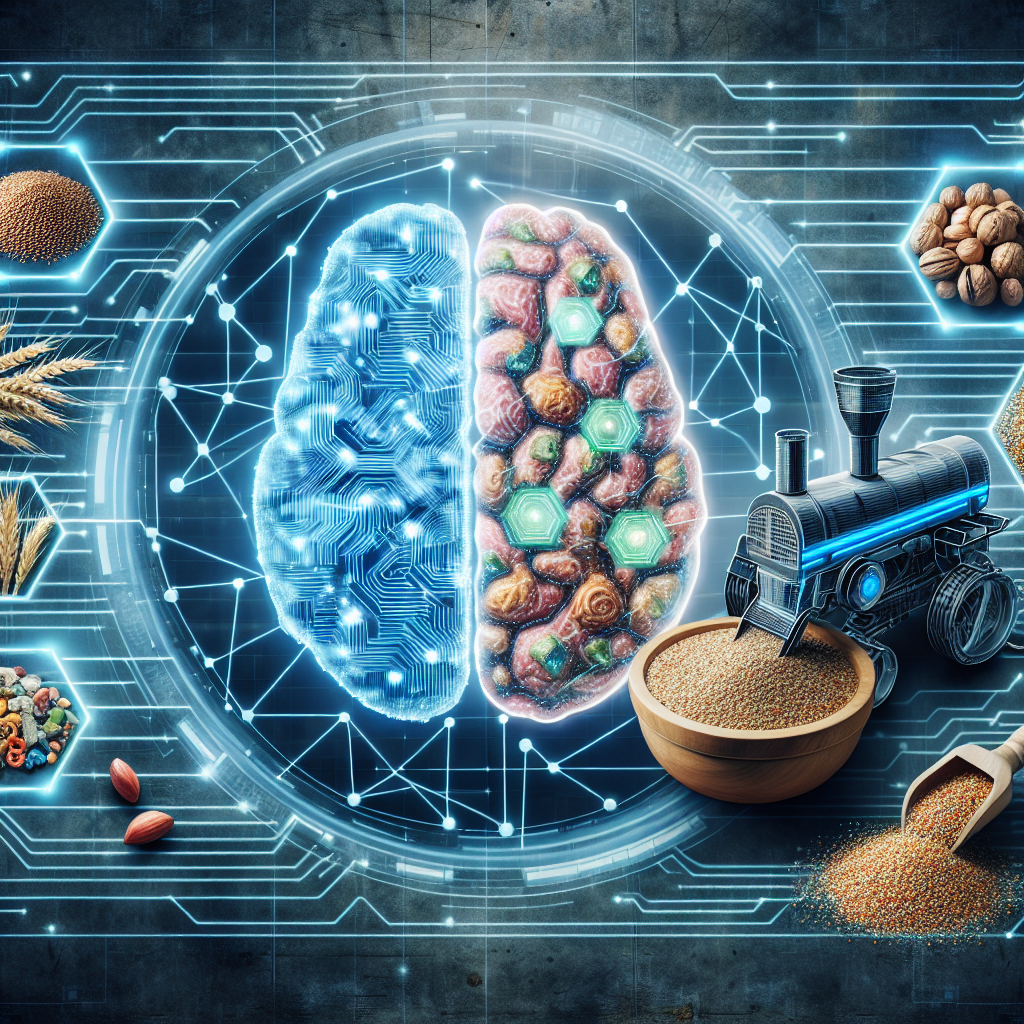
Artificial intelligence (AI) is revolutionizing industries across the board, and the livestock industry is no exception. One of the key areas where AI is making a significant impact is in the field of livestock feed formulation. By leveraging AI technology, livestock feed manufacturers and farmers are able to optimize feed formulations, improve animal health and performance, and ultimately increase profitability.
AI applications in livestock feed formulation involve the use of machine learning algorithms and data analytics to analyze vast amounts of data related to animal nutrition, feed ingredients, and animal performance. This allows feed manufacturers to develop more precise and tailored feed formulations that meet the specific nutritional requirements of different types of livestock.
One of the key benefits of using AI in livestock feed formulation is the ability to optimize feed formulations based on real-time data. By constantly monitoring animal health and performance, AI algorithms can adjust feed formulations to ensure that animals are receiving the right balance of nutrients to support their growth and overall well-being. This can lead to improved feed efficiency, reduced feed costs, and better animal health outcomes.
Another important application of AI in livestock feed formulation is the ability to predict and prevent disease outbreaks. By analyzing data on animal health, feed intake, and environmental conditions, AI algorithms can identify patterns and trends that may indicate potential health risks. This allows farmers to take proactive measures to prevent disease outbreaks, such as adjusting feed formulations or implementing biosecurity measures.
AI technology is also being used to improve the sustainability of livestock feed production. By optimizing feed formulations to reduce waste and improve nutrient utilization, AI algorithms can help farmers minimize their environmental impact and reduce their carbon footprint. This is particularly important in the face of growing concerns about climate change and the need to reduce greenhouse gas emissions.
Overall, the use of AI in livestock feed formulation has the potential to revolutionize the way feed is produced and distributed, leading to more efficient and sustainable livestock production systems. With the ability to analyze vast amounts of data and make real-time adjustments to feed formulations, AI technology is helping farmers and feed manufacturers improve animal health and performance, reduce costs, and increase profitability.
FAQs:
Q: How does AI technology improve livestock feed formulation?
A: AI technology improves livestock feed formulation by analyzing vast amounts of data related to animal nutrition, feed ingredients, and animal performance. This allows feed manufacturers to develop more precise and tailored feed formulations that meet the specific nutritional requirements of different types of livestock.
Q: What are the benefits of using AI in livestock feed formulation?
A: The benefits of using AI in livestock feed formulation include improved feed efficiency, reduced feed costs, better animal health outcomes, and the ability to predict and prevent disease outbreaks. AI technology also helps improve the sustainability of livestock feed production by optimizing feed formulations to reduce waste and improve nutrient utilization.
Q: How can farmers and feed manufacturers implement AI technology in livestock feed formulation?
A: Farmers and feed manufacturers can implement AI technology in livestock feed formulation by partnering with companies that specialize in AI solutions for the livestock industry. These companies can provide the necessary software and expertise to help farmers and feed manufacturers leverage AI technology to optimize feed formulations and improve animal health and performance.
Q: What are some examples of AI applications in livestock feed formulation?
A: Some examples of AI applications in livestock feed formulation include using machine learning algorithms to analyze data on animal health and performance, predicting and preventing disease outbreaks, and optimizing feed formulations to improve feed efficiency and reduce costs. AI technology is also being used to improve the sustainability of livestock feed production by minimizing environmental impact and reducing carbon emissions.