
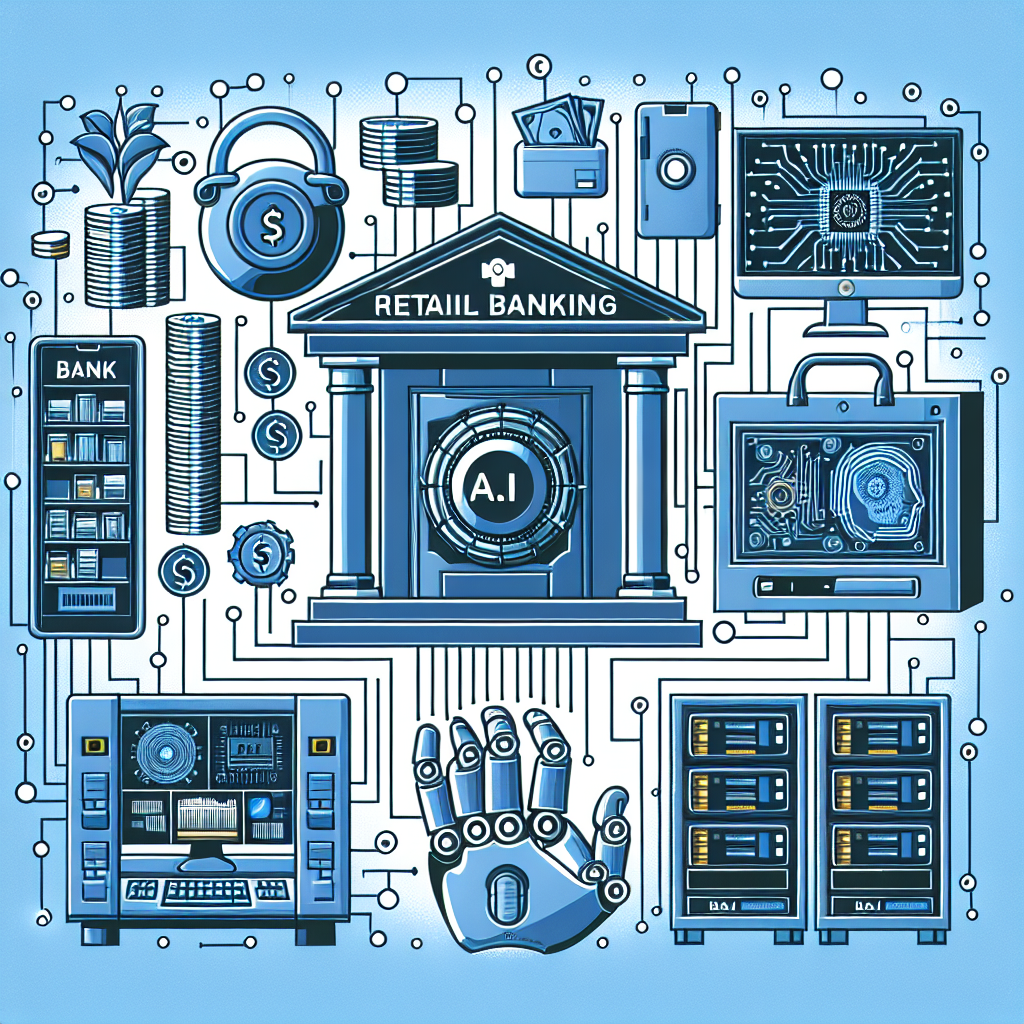
The rise of artificial intelligence (AI) automation is revolutionizing various industries, including retail banking. AI automation refers to the use of AI technology to perform tasks that would typically require human intelligence, such as data analysis, customer service, and decision-making. In the context of retail banking, AI automation is reshaping the way banks interact with customers, manage their operations, and make strategic decisions.
One of the key benefits of AI automation in retail banking is its ability to enhance customer experience. Banks can use AI-powered chatbots to provide round-the-clock customer service, answer queries, and even assist with basic banking transactions. This not only improves customer satisfaction but also helps banks reduce costs by automating routine tasks. Additionally, AI automation can personalize the customer experience by analyzing customer data and providing tailored recommendations or offers.
AI automation also plays a crucial role in improving operational efficiency within retail banks. By automating repetitive tasks such as data entry, document processing, and risk assessment, banks can streamline their operations and free up employees to focus on more strategic tasks. This not only increases productivity but also reduces the risk of errors and fraud. Moreover, AI automation can help banks make more informed decisions by analyzing vast amounts of data in real-time and identifying trends or anomalies that humans may overlook.
In terms of risk management, AI automation can help retail banks detect and prevent fraudulent activities more effectively. AI algorithms can analyze transaction data, customer behavior, and external factors to identify suspicious patterns and alert the bank’s security team. This proactive approach to risk management can help banks mitigate potential losses and protect both their assets and their customers’ funds.
Furthermore, AI automation can also enable banks to offer more personalized and innovative products and services. By analyzing customer data and predicting their needs, banks can develop tailored solutions that meet individual preferences and financial goals. For example, AI-powered robo-advisors can provide investment advice based on a customer’s risk tolerance, financial goals, and market conditions. This not only helps banks attract and retain customers but also fosters a culture of innovation and continuous improvement.
Despite the numerous benefits of AI automation in retail banking, there are also challenges and concerns that need to be addressed. One of the main challenges is the potential impact on jobs and the workforce. As banks increasingly rely on AI technology to automate tasks, there is a fear that some jobs may become obsolete or redundant. However, it is important to note that AI automation can also create new job opportunities in areas such as data analysis, cybersecurity, and AI programming. Banks should invest in reskilling and upskilling their employees to adapt to the changing landscape and ensure a smooth transition to the AI-powered future.
Another concern is the ethical implications of AI automation in retail banking. As AI algorithms make decisions that affect customers’ financial well-being, there is a need for transparency, accountability, and fairness in the use of AI technology. Banks must ensure that their AI systems are unbiased, secure, and compliant with regulations to protect customers’ privacy and trust. Moreover, banks should establish clear guidelines for the ethical use of AI and provide training to employees on ethical AI practices.
In conclusion, AI automation is transforming the future of retail banking by enhancing customer experience, improving operational efficiency, managing risks, and driving innovation. While there are challenges and concerns associated with AI automation, banks can capitalize on the opportunities by investing in AI technology, reskilling their workforce, and upholding ethical standards. By embracing AI automation, retail banks can stay competitive, deliver value to customers, and shape the future of banking in the digital age.
FAQs:
Q: What are some examples of AI automation in retail banking?
A: Some examples of AI automation in retail banking include chatbots for customer service, robo-advisors for investment advice, fraud detection algorithms, and predictive analytics for personalized recommendations.
Q: How does AI automation improve customer experience in retail banking?
A: AI automation improves customer experience by providing round-the-clock customer service, personalized recommendations, and seamless transactions. Chatbots can answer queries instantly, while robo-advisors can offer tailored investment advice based on individual preferences.
Q: What are the benefits of AI automation for retail banks?
A: The benefits of AI automation for retail banks include enhanced customer experience, improved operational efficiency, better risk management, and innovation in product development. AI technology can streamline operations, reduce costs, and drive revenue growth.
Q: What are the challenges of AI automation in retail banking?
A: Some challenges of AI automation in retail banking include job displacement, ethical concerns, security risks, and regulatory compliance. Banks need to address these challenges by investing in employee training, establishing ethical guidelines, and enhancing cybersecurity measures.