
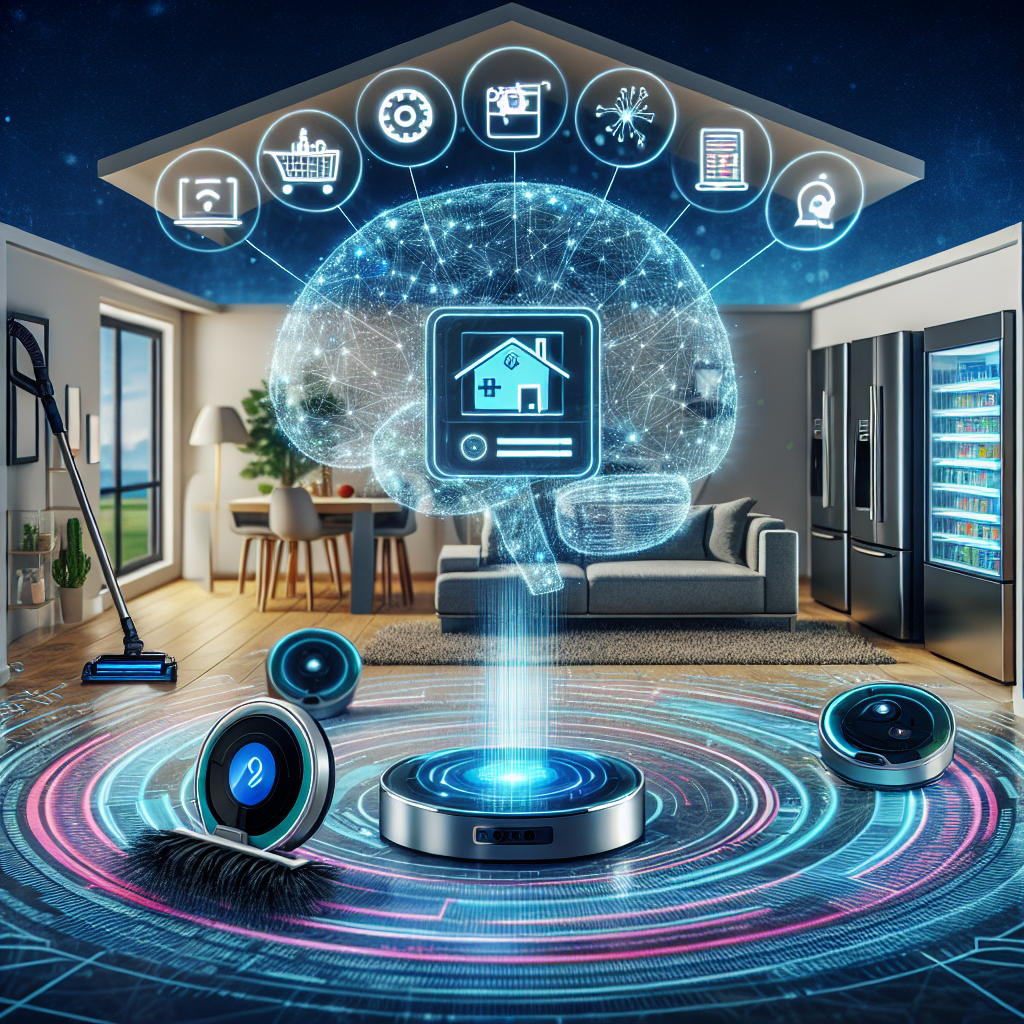
In recent years, artificial intelligence (AI) has become an increasingly important tool in the automation of various processes and industries. One area where AI is making a significant impact is in the realm of smart homes. Smart homes are residences that use internet-connected devices to enable the remote monitoring and management of appliances and systems, such as lighting, heating, and security.
AI automation in smart homes involves the use of algorithms and machine learning to analyze data and make decisions to optimize the performance of various devices and systems within the home. This technology allows for greater efficiency, convenience, and security for homeowners, as well as the potential for cost savings and energy conservation.
One of the key benefits of AI automation in smart homes is the ability to customize and personalize the home environment to meet the specific needs and preferences of the homeowner. For example, AI algorithms can learn the daily routines and habits of the residents and adjust the lighting, temperature, and other settings accordingly. This level of customization can enhance the comfort and convenience of living in a smart home.
Another advantage of AI automation in smart homes is the ability to enhance security and safety. AI-powered security systems can monitor the home for unusual activity and alert homeowners to potential threats. Additionally, AI algorithms can analyze data from various sensors and devices to detect potential hazards, such as leaks or fires, and take appropriate action to mitigate the risk.
AI automation in smart homes also has the potential to improve energy efficiency and reduce utility costs. By analyzing data on energy consumption and environmental conditions, AI algorithms can optimize the operation of heating, cooling, and lighting systems to minimize waste and maximize efficiency. This can result in significant cost savings for homeowners over time.
Furthermore, AI automation in smart homes can enable greater connectivity and integration between devices and systems. For example, AI algorithms can coordinate the operation of different devices, such as thermostats, lights, and appliances, to create a seamless and cohesive home environment. This level of integration can enhance the overall functionality and convenience of the smart home.
Overall, AI automation in smart homes has the potential to revolutionize the way we live and interact with our living spaces. By leveraging the power of AI technology, homeowners can enjoy greater comfort, convenience, security, and efficiency in their homes.
FAQs:
Q: What are some examples of AI automation in smart homes?
A: Some examples of AI automation in smart homes include smart thermostats that learn the residents’ heating and cooling preferences, security systems that use AI algorithms to detect unusual activity, and lighting systems that adjust based on the time of day and occupancy.
Q: How does AI automation in smart homes improve energy efficiency?
A: AI automation in smart homes can improve energy efficiency by analyzing data on energy consumption and environmental conditions to optimize the operation of heating, cooling, and lighting systems. This can result in reduced energy waste and lower utility costs for homeowners.
Q: Are there any privacy concerns with AI automation in smart homes?
A: There are potential privacy concerns with AI automation in smart homes, as the technology requires the collection and analysis of data from various sensors and devices within the home. It is important for homeowners to be aware of how their data is being used and to take steps to protect their privacy and security.
Q: How can homeowners benefit from AI automation in smart homes?
A: Homeowners can benefit from AI automation in smart homes by enjoying greater comfort, convenience, security, and efficiency in their living spaces. AI technology can optimize the operation of various devices and systems within the home to meet the specific needs and preferences of the residents.
Q: What is the future of AI automation in smart homes?
A: The future of AI automation in smart homes is likely to involve greater integration and connectivity between devices and systems, as well as more advanced AI algorithms that can learn and adapt to the changing needs and behaviors of the residents. This technology has the potential to continue revolutionizing the way we live and interact with our homes.