
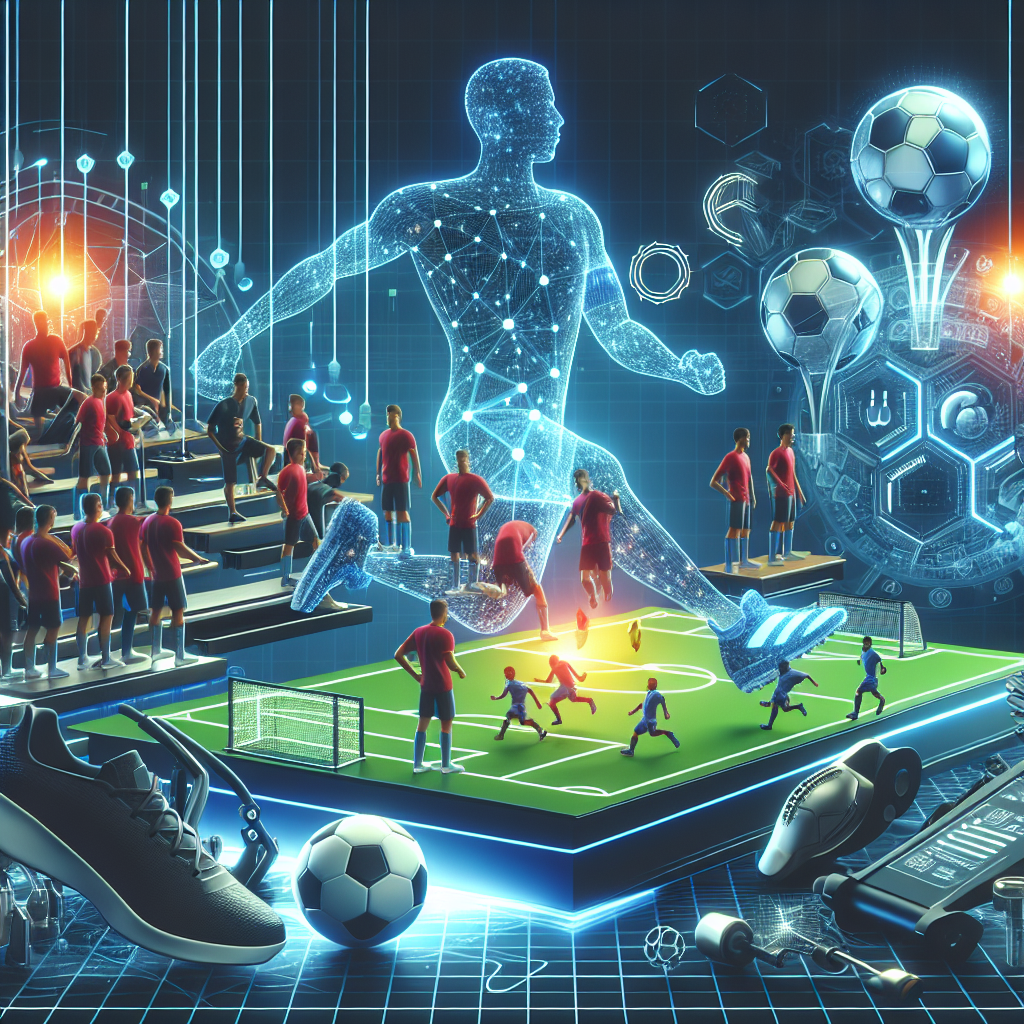
AI Automation in Sports: Enhancing Performance and Strategy
In recent years, the use of artificial intelligence (AI) and automation in sports has become increasingly prevalent. From enhancing performance to improving strategy, AI technology has revolutionized the way athletes and teams approach training and competition. In this article, we will explore how AI automation is changing the game in sports and the potential benefits it offers.
Performance Enhancement
One of the key ways AI automation is transforming the world of sports is through performance enhancement. By analyzing vast amounts of data, AI technology can provide athletes and coaches with valuable insights into their performance, helping them identify areas for improvement and optimize their training regimes.
For example, wearable devices equipped with AI technology can track an athlete’s movements, heart rate, and other biometric data in real-time. This data can then be used to assess the athlete’s performance and make adjustments to their training program accordingly. AI algorithms can also analyze video footage of games and practices to provide feedback on technique, strategy, and tactics.
Furthermore, AI-powered training programs can simulate game scenarios and provide athletes with personalized drills and exercises to help them improve specific skills. This targeted approach to training can lead to more efficient and effective development, ultimately enhancing performance on the field or court.
Strategy Optimization
In addition to performance enhancement, AI automation is also revolutionizing the way teams approach strategy and game planning. By analyzing data from past games, scouting reports, and other sources, AI algorithms can identify patterns and trends that can help coaches develop winning strategies.
For example, AI technology can analyze an opposing team’s playing style and tendencies to help coaches devise a game plan that exploits their weaknesses and capitalizes on their strengths. AI algorithms can also predict future game outcomes based on historical data and current trends, allowing coaches to make informed decisions about strategy and tactics.
Furthermore, AI automation can help teams optimize their lineup selections, substitutions, and in-game decisions. By analyzing data on player performance, fatigue levels, and other factors, AI algorithms can suggest the best course of action in real-time, helping coaches make decisions that maximize their team’s chances of success.
Potential Benefits
The use of AI automation in sports offers a wide range of potential benefits for athletes, coaches, and teams. Some of the key advantages include:
1. Improved performance: By providing athletes with personalized training programs and feedback, AI technology can help them reach their full potential and perform at a higher level.
2. Enhanced strategy: AI algorithms can analyze vast amounts of data to help coaches develop winning game plans and make informed decisions during competition.
3. Injury prevention: AI-powered wearable devices can monitor athletes’ biometric data and detect signs of fatigue or injury, helping them avoid overtraining and stay healthy.
4. Fan engagement: AI technology can enhance the fan experience by providing real-time insights and analysis during games, creating a more interactive and engaging viewing experience.
5. Cost savings: By automating tasks such as data analysis and scouting, AI technology can help teams save time and resources, allowing them to focus on what matters most – winning games.
FAQs
Q: How is AI automation used in sports training?
A: AI automation is used in sports training to analyze athlete performance data, provide personalized feedback and training programs, and simulate game scenarios to help athletes improve their skills and performance.
Q: Can AI technology predict the outcome of sports games?
A: While AI algorithms can analyze historical data and trends to predict future game outcomes, there are many factors that can influence the result of a game, such as player injuries, weather conditions, and referee decisions. Therefore, AI predictions should be taken as one of many factors to consider when developing a game plan.
Q: How does AI automation impact coaching in sports?
A: AI automation can help coaches analyze data, develop game plans, and make in-game decisions more effectively. By providing coaches with valuable insights and recommendations, AI technology can help them optimize their strategies and tactics to maximize their team’s chances of success.
Q: What are the limitations of AI automation in sports?
A: While AI technology offers many benefits for athletes and teams, there are some limitations to consider. For example, AI algorithms are only as good as the data they are trained on, so it is important to ensure that the data used is accurate and relevant. Additionally, AI technology cannot replace the human element of coaching, as coaches play a crucial role in motivating and guiding athletes to reach their full potential.
In conclusion, AI automation is transforming the world of sports by enhancing performance, optimizing strategy, and providing valuable insights to athletes, coaches, and teams. By leveraging the power of AI technology, sports professionals can gain a competitive edge and maximize their chances of success on the field or court. As AI continues to evolve and improve, the possibilities for its application in sports are endless, promising a bright future for the intersection of technology and athletics.