
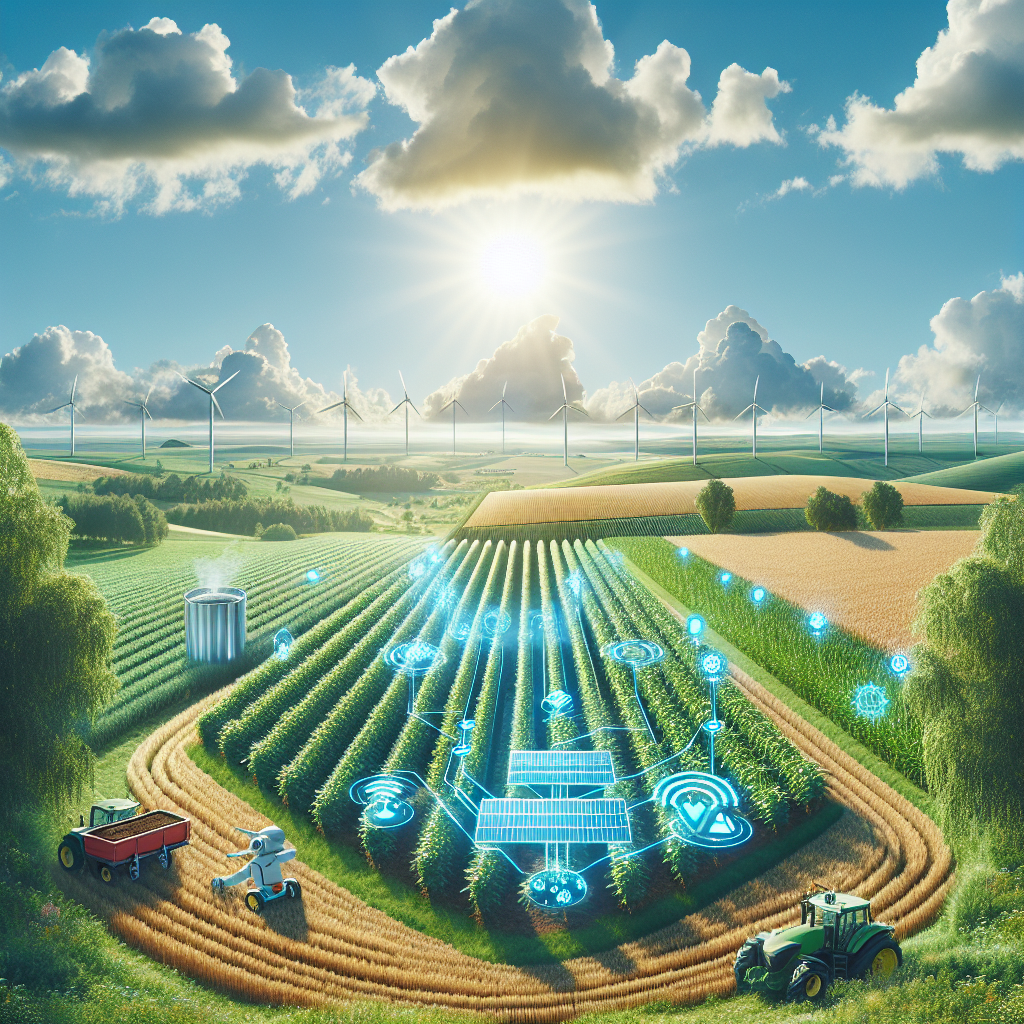
In recent years, the adoption of artificial intelligence (AI) in agriculture has been steadily increasing. AI technologies have the potential to revolutionize the way we grow crops, leading to improved yields, reduced waste, and increased sustainability. From precision farming and pest management to soil analysis and climate monitoring, AI is being used in a variety of ways to enhance agricultural practices.
One of the key benefits of AI deployment in agriculture is its ability to increase crop yields. By using AI algorithms to analyze data from sensors, drones, and satellites, farmers can gain valuable insights into their crops’ health and growth patterns. This information allows them to make more informed decisions about irrigation, fertilization, and pest control, ultimately leading to higher yields.
AI can also help farmers optimize their use of resources, such as water and fertilizer, by providing real-time recommendations based on weather conditions, soil composition, and plant health. By applying the right amount of inputs at the right time, farmers can minimize waste and reduce their environmental impact.
Another important use of AI in agriculture is in pest management. By analyzing data on pest populations, crop health, and weather patterns, AI algorithms can help farmers predict and prevent pest infestations before they cause significant damage. This proactive approach not only reduces the need for chemical pesticides but also helps protect the environment and human health.
AI is also being used to improve soil health and fertility. By analyzing soil samples and monitoring nutrient levels, AI systems can help farmers make more informed decisions about fertilization and crop rotation, leading to healthier soils and more sustainable farming practices.
In addition to improving crop yields and sustainability, AI deployment in agriculture can also help farmers adapt to a changing climate. By monitoring weather patterns and predicting extreme events, AI systems can help farmers better prepare for droughts, floods, and other weather-related challenges. This information allows farmers to adjust their planting schedules, irrigation practices, and crop choices to mitigate the impact of climate change on their operations.
Despite the many benefits of AI deployment in agriculture, there are also challenges and concerns that need to be addressed. One of the main challenges is the cost of implementing AI technologies, which can be prohibitive for small-scale farmers. Additionally, there are concerns about data privacy and security, as AI systems rely on large amounts of sensitive information to make accurate predictions and recommendations.
To address these challenges, governments, research institutions, and private companies are working together to develop more affordable and user-friendly AI solutions for farmers. By providing training and support, as well as access to funding and resources, these stakeholders are helping farmers harness the power of AI to improve their crop yields and sustainability.
In conclusion, AI deployment in agriculture has the potential to transform the way we grow food, leading to higher yields, reduced waste, and increased sustainability. By using AI technologies to analyze data, make predictions, and provide recommendations, farmers can optimize their use of resources, improve pest management, and adapt to a changing climate. While there are challenges and concerns that need to be addressed, the benefits of AI in agriculture far outweigh the risks. With continued investment and support, AI has the potential to revolutionize the agriculture industry and help feed a growing global population.
FAQs:
Q: How is AI used in precision farming?
A: AI is used in precision farming to analyze data from sensors, drones, and satellites to provide valuable insights into crop health and growth patterns. This information helps farmers make more informed decisions about irrigation, fertilization, and pest control, leading to higher yields and reduced waste.
Q: What are the benefits of using AI in pest management?
A: AI can help farmers predict and prevent pest infestations by analyzing data on pest populations, crop health, and weather patterns. This proactive approach reduces the need for chemical pesticides and helps protect the environment and human health.
Q: How can AI help farmers adapt to a changing climate?
A: By monitoring weather patterns and predicting extreme events, AI systems can help farmers better prepare for droughts, floods, and other weather-related challenges. This information allows farmers to adjust their planting schedules, irrigation practices, and crop choices to mitigate the impact of climate change on their operations.
Q: What are the challenges of implementing AI in agriculture?
A: One of the main challenges is the cost of implementing AI technologies, which can be prohibitive for small-scale farmers. Additionally, there are concerns about data privacy and security, as AI systems rely on large amounts of sensitive information to make accurate predictions and recommendations.