
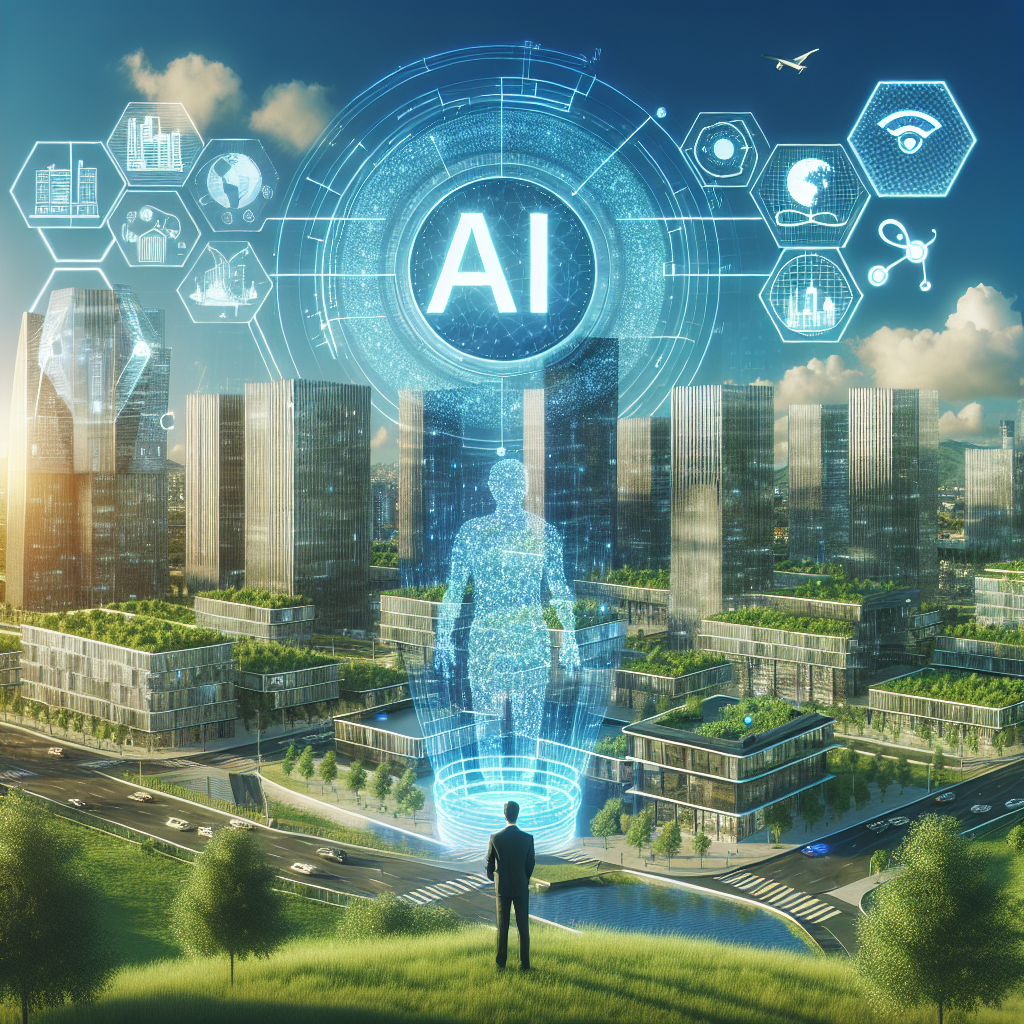
AI Deployment in Architecture and Urban Planning: Enhancing Design and Sustainability
Artificial Intelligence (AI) has become a powerful tool in various industries, and its impact on architecture and urban planning is no exception. From improving design processes to enhancing sustainability efforts, AI deployment is revolutionizing the way we build and plan our cities. In this article, we will explore the benefits of AI in architecture and urban planning, as well as some common questions about its implementation.
Benefits of AI Deployment in Architecture and Urban Planning
1. Design Optimization: AI algorithms can analyze vast amounts of data and generate design options that are optimized for various factors such as cost, energy efficiency, and aesthetics. This can help architects and urban planners to explore a wider range of design possibilities and make more informed decisions.
2. Simulation and Visualization: AI tools can create realistic simulations of proposed buildings and urban developments, allowing stakeholders to visualize the final product before construction begins. This can help identify potential design flaws and improve the overall planning process.
3. Sustainable Design: AI can help architects and urban planners to create more sustainable buildings and cities by analyzing environmental data and recommending design strategies that reduce energy consumption and carbon emissions. This can lead to more efficient use of resources and a lower environmental impact.
4. Project Management: AI can streamline project management processes by automating tasks such as scheduling, budgeting, and resource allocation. This can help reduce costs and improve efficiency in the construction and planning phases of a project.
5. Urban Mobility: AI can optimize transportation systems in cities by analyzing traffic patterns and recommending solutions to reduce congestion and improve accessibility. This can lead to more efficient public transportation systems and better urban mobility for residents.
Common Questions about AI Deployment in Architecture and Urban Planning
1. How can AI be used in the design process?
AI can be used in the design process in various ways, such as generating design options, analyzing environmental data, and creating simulations of proposed buildings. By leveraging AI tools, architects and urban planners can explore new design possibilities and optimize their projects for various factors such as cost, energy efficiency, and sustainability.
2. Is AI replacing human architects and urban planners?
AI is not replacing human architects and urban planners but rather enhancing their capabilities. While AI can automate certain tasks and provide valuable insights, human creativity and expertise are still essential in the design and planning process. AI is a tool that can help architects and urban planners to work more efficiently and make better-informed decisions.
3. How can AI improve sustainability in architecture and urban planning?
AI can improve sustainability in architecture and urban planning by analyzing environmental data and recommending design strategies that reduce energy consumption and carbon emissions. By optimizing building designs for factors such as solar orientation, natural ventilation, and energy efficiency, AI can help create more sustainable buildings and cities that have a lower environmental impact.
4. What are the challenges of implementing AI in architecture and urban planning?
One of the main challenges of implementing AI in architecture and urban planning is the need for high-quality data. AI algorithms rely on data to make accurate predictions and recommendations, so it is essential to have access to reliable and up-to-date information. Additionally, there may be concerns about the privacy and security of data used in AI systems, as well as the potential for bias in AI algorithms.
5. How can AI optimize urban mobility in cities?
AI can optimize urban mobility in cities by analyzing traffic patterns, predicting demand for transportation services, and recommending solutions to reduce congestion and improve accessibility. By leveraging AI tools, urban planners can design more efficient transportation systems that meet the needs of residents and reduce the environmental impact of urban mobility.
In conclusion, AI deployment in architecture and urban planning is revolutionizing the way we design and build our cities. By leveraging AI tools, architects and urban planners can optimize their projects for factors such as cost, energy efficiency, and sustainability, leading to more innovative and sustainable buildings and urban developments. While there are challenges to implementing AI in this field, the benefits of AI deployment are clear, and its impact on architecture and urban planning is only expected to grow in the coming years.