
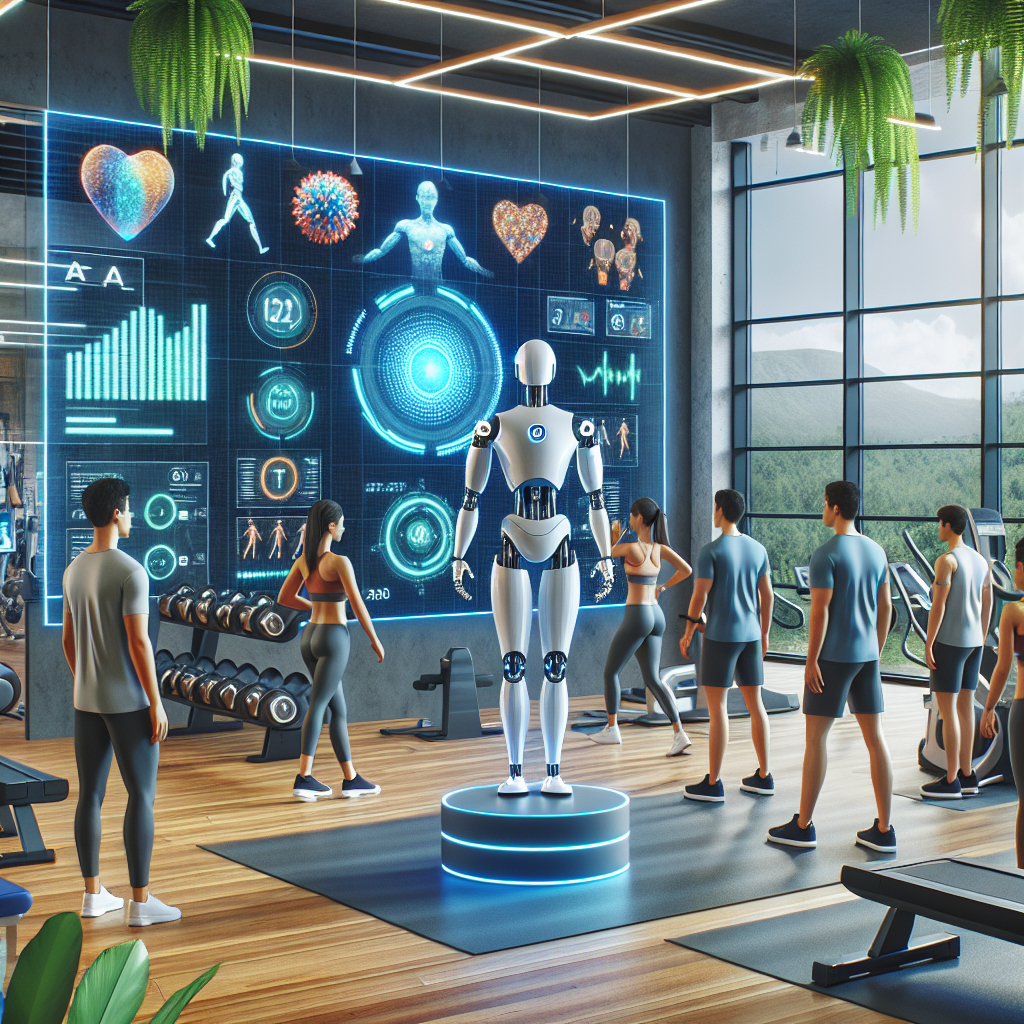
In recent years, there has been a significant increase in the use of artificial intelligence (AI) technology in the fitness and wellness industry. From personalized training programs to virtual coaching, AI is revolutionizing the way individuals approach their health and fitness goals. This article will explore the various ways in which AI is being deployed in fitness and wellness, and how it is improving personalized training and coaching.
One of the key benefits of AI in fitness and wellness is its ability to provide personalized training programs tailored to an individual’s specific needs and goals. Traditional fitness programs often take a one-size-fits-all approach, which may not be effective for everyone. With AI, algorithms can analyze data such as age, weight, fitness level, and past exercise habits to create a customized program that is tailored to the individual’s unique requirements.
For example, AI-powered fitness apps can track a user’s progress in real-time, adjusting the workout intensity and frequency based on their performance. This level of personalization ensures that individuals are constantly challenged and motivated to reach their fitness goals.
AI is also being used to enhance virtual coaching experiences. Virtual coaching has become increasingly popular in recent years, as it allows individuals to access expert guidance and support from anywhere in the world. AI technology can analyze data from wearable devices, such as smartwatches and fitness trackers, to provide real-time feedback on form, technique, and performance. This level of feedback is invaluable for individuals who may not have access to a personal trainer or coach.
Additionally, AI-powered virtual coaches can provide personalized nutrition advice based on the individual’s dietary preferences, allergies, and goals. This level of customization ensures that individuals are receiving the most relevant and effective guidance to help them achieve their wellness goals.
Another way in which AI is improving personalized training and coaching is through the use of predictive analytics. By analyzing data from past workouts, sleep patterns, and nutrition habits, AI algorithms can predict future trends and behaviors, allowing individuals to make informed decisions about their health and fitness.
For example, AI can predict when an individual may be at risk of injury based on their workout intensity and recovery patterns. This information can then be used to adjust the training program to prevent potential injuries and ensure long-term success.
In addition to personalized training and coaching, AI is also being used to improve the overall user experience in the fitness and wellness industry. From virtual reality workouts to interactive fitness challenges, AI technology is transforming the way individuals engage with their health and fitness goals.
One of the key challenges of AI deployment in fitness and wellness is ensuring data privacy and security. With the increasing amount of personal data being collected by AI-powered devices, there is a growing concern about how this information is being used and shared. It is essential for companies to be transparent about their data collection practices and ensure that user information is protected at all times.
Another challenge is the potential for AI algorithms to reinforce biases and stereotypes. If not properly trained, AI systems can inadvertently perpetuate discriminatory practices, such as promoting unrealistic body standards or excluding certain demographics from personalized training programs. It is crucial for companies to continuously monitor and update their AI algorithms to ensure that they are fair and unbiased.
Despite these challenges, the benefits of AI deployment in fitness and wellness far outweigh the risks. By providing personalized training programs, virtual coaching, and predictive analytics, AI technology is empowering individuals to take control of their health and fitness in a way that was not possible before. As the technology continues to evolve, we can expect to see even more innovative solutions that will revolutionize the way we approach our wellness goals.
FAQs:
Q: How does AI technology personalize training programs?
A: AI algorithms analyze data such as age, weight, fitness level, and past exercise habits to create a customized program tailored to an individual’s unique needs and goals.
Q: Can AI-powered virtual coaches provide nutrition advice?
A: Yes, AI-powered virtual coaches can provide personalized nutrition advice based on the individual’s dietary preferences, allergies, and goals.
Q: What are some of the challenges of AI deployment in fitness and wellness?
A: Some of the key challenges include data privacy and security concerns, potential biases in AI algorithms, and ensuring fair and unbiased practices.
Q: How is AI technology improving the overall user experience in the fitness and wellness industry?
A: AI technology is enhancing user experiences through virtual reality workouts, interactive fitness challenges, and personalized guidance and support.
Q: What are some future trends in AI deployment in fitness and wellness?
A: Future trends may include more advanced predictive analytics, virtual reality training programs, and seamless integration of AI technology into everyday fitness routines.