
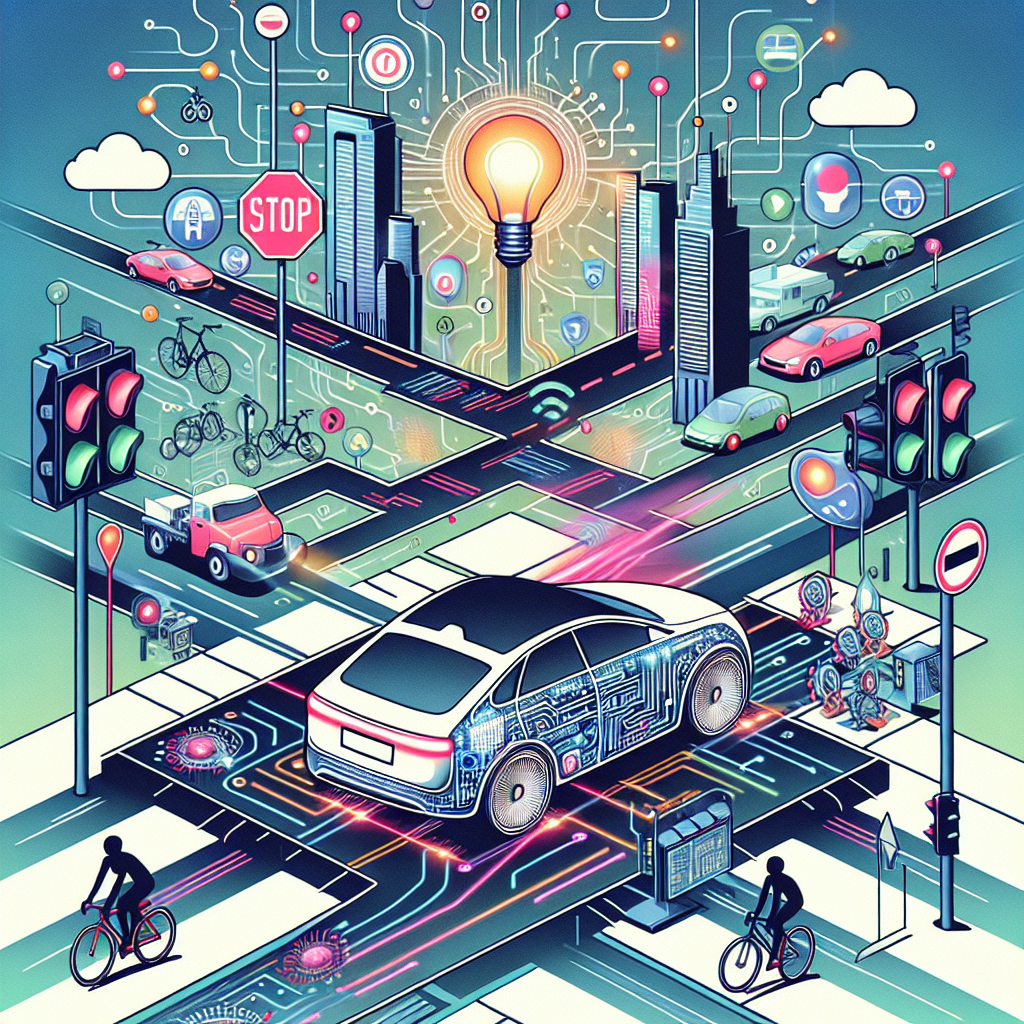
Artificial Intelligence (AI) has been making waves in various industries, including transportation. With the ability to analyze vast amounts of data and make real-time decisions, AI has the potential to revolutionize how we move people and goods from one place to another. In this article, we will explore how AI is being deployed in transportation to improve safety and efficiency.
Improving Safety with AI
One of the key benefits of AI in transportation is its ability to enhance safety for both passengers and drivers. AI-powered systems can analyze traffic patterns, weather conditions, and other factors to predict and prevent accidents before they happen. For example, AI can be used to detect potential hazards on the road, such as a pedestrian crossing or a vehicle suddenly braking, and alert drivers to take evasive action.
AI can also improve safety in public transportation systems. For instance, AI-powered cameras can monitor passengers for signs of distress or suspicious behavior, allowing operators to respond quickly to potential threats. Additionally, AI can be used to optimize routes and schedules to minimize the risk of overcrowding and reduce the likelihood of accidents.
Overall, the deployment of AI in transportation is helping to create a safer and more secure environment for both passengers and drivers.
Improving Efficiency with AI
In addition to enhancing safety, AI is also improving the efficiency of transportation systems. AI-powered algorithms can analyze traffic flow and optimize routes in real-time, reducing congestion and improving the overall flow of traffic. This not only saves time for passengers but also reduces fuel consumption and emissions, leading to a more sustainable transportation system.
AI can also help transportation companies better manage their fleets. By analyzing data on vehicle performance, maintenance schedules, and driver behavior, AI can predict when maintenance is needed, optimize routes to reduce fuel consumption, and even identify opportunities for cost savings. This leads to more efficient operations and lower costs for transportation companies.
Furthermore, AI can improve the customer experience by providing real-time updates on arrival times, delays, and alternative routes. This allows passengers to plan their journeys more effectively and reduces the frustration of unexpected delays.
Overall, the deployment of AI in transportation is leading to more efficient and effective transportation systems that benefit both passengers and operators.
FAQs
Q: How is AI being used in autonomous vehicles?
A: AI is a key component of autonomous vehicles, allowing them to analyze data from sensors and make real-time decisions about speed, direction, and navigation. AI enables autonomous vehicles to navigate complex environments, avoid obstacles, and respond to changing road conditions.
Q: Is AI deployment in transportation safe?
A: Yes, AI deployment in transportation is safe when implemented correctly. AI systems are designed to enhance safety by analyzing data and predicting potential hazards. However, it is important for transportation companies to ensure that their AI systems are properly tested and monitored to prevent accidents.
Q: Can AI improve public transportation systems?
A: Yes, AI can improve public transportation systems by optimizing routes, schedules, and capacity to reduce congestion and improve efficiency. AI can also enhance safety and security by monitoring passengers and detecting potential threats.
Q: What are the challenges of deploying AI in transportation?
A: One of the main challenges of deploying AI in transportation is the need for high-quality data to train AI algorithms. Transportation companies must collect and analyze vast amounts of data to ensure that their AI systems are accurate and reliable. Additionally, there are concerns about privacy and security when using AI in transportation, as well as the potential for job displacement as AI systems automate tasks that were previously done by humans.
In conclusion, AI deployment in transportation is improving safety and efficiency by analyzing data, optimizing routes, and enhancing the overall transportation experience. With continued advancements in AI technology, we can expect to see even greater benefits in the future.