
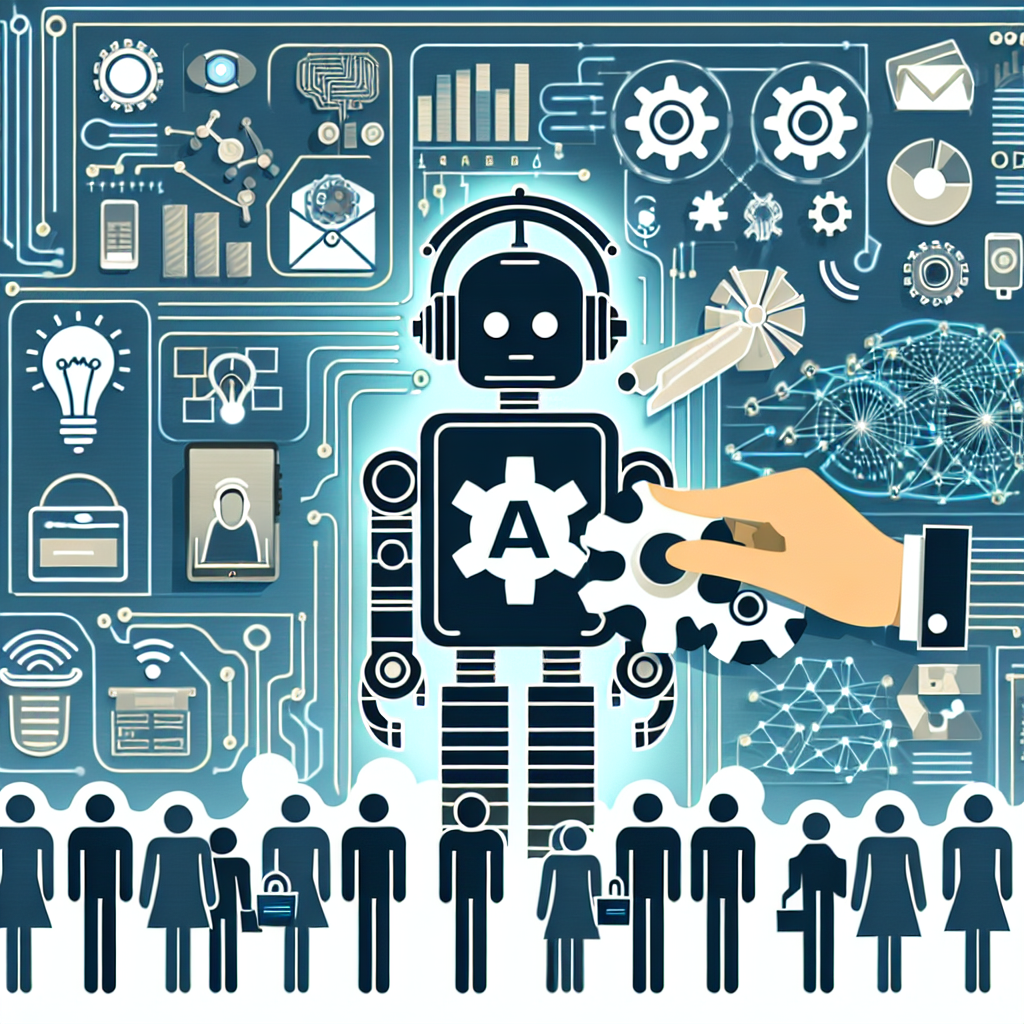
Artificial intelligence (AI) has revolutionized the way companies interact with their customers. By implementing AI technologies in customer service, businesses are able to provide more efficient and personalized support to their clients. From chatbots to virtual assistants, AI has transformed the customer service landscape, making it easier for companies to meet the needs of their customers in real-time.
AI development for customer service has become increasingly popular in recent years, with many companies investing in AI technologies to improve their customer support processes. By leveraging AI, businesses are able to provide faster response times, reduce customer wait times, and improve overall customer satisfaction. In this article, we will explore the various ways in which AI is being used to enhance customer service, as well as address some common questions about AI development for customer service.
Chatbots are one of the most common AI technologies used in customer service. These virtual assistants are designed to interact with customers in a conversational manner, providing them with information, answering their questions, and addressing their concerns. Chatbots are available 24/7, making it easy for customers to get the support they need at any time of day.
One of the main advantages of using chatbots in customer service is their ability to handle a large volume of inquiries simultaneously. This allows businesses to provide support to multiple customers at once, without the need for additional human resources. Chatbots can also be programmed to provide personalized responses based on the customer’s previous interactions with the company, making the customer service experience more efficient and seamless.
In addition to chatbots, AI-powered virtual assistants are also being used to enhance customer service. These virtual assistants are able to understand natural language and context, allowing them to provide more personalized and relevant support to customers. Virtual assistants can assist customers with a wide range of tasks, such as placing orders, scheduling appointments, and providing product recommendations.
By leveraging AI technologies in customer service, businesses are able to improve the overall customer experience and build stronger relationships with their clients. AI-powered customer service solutions can help businesses to provide faster response times, reduce customer wait times, and offer more personalized support to their customers. This, in turn, can lead to increased customer satisfaction and loyalty, ultimately driving business growth and success.
Despite the many benefits of using AI in customer service, there are some common questions and concerns that businesses may have when considering implementing AI technologies in their customer support processes. Below, we address some of the most frequently asked questions about AI development for customer service:
1. How does AI improve customer service?
AI technologies, such as chatbots and virtual assistants, can help businesses to provide faster response times, reduce customer wait times, and offer more personalized support to their customers. By leveraging AI in customer service, businesses are able to streamline their support processes, handle a larger volume of inquiries simultaneously, and provide more efficient and effective assistance to their clients.
2. Will AI replace human customer service agents?
While AI technologies can handle a large volume of inquiries and provide efficient support to customers, they are not intended to replace human customer service agents entirely. Human agents bring a level of empathy, creativity, and problem-solving skills that AI technologies cannot replicate. Instead, AI technologies are meant to augment human agents, allowing them to focus on more complex and high-value tasks, while AI handles routine inquiries and tasks.
3. How can businesses ensure that AI technologies provide accurate and relevant information to customers?
To ensure that AI technologies provide accurate and relevant information to customers, businesses must invest in training and data management. AI technologies rely on large amounts of data to learn and improve over time, so it is important for businesses to regularly update and maintain their data sets. Additionally, businesses should provide ongoing training and oversight to ensure that their AI technologies are providing accurate and up-to-date information to customers.
4. Are AI technologies secure and compliant with data privacy regulations?
AI technologies must adhere to strict data privacy regulations to ensure the security and confidentiality of customer information. Businesses should work with reputable AI providers that have robust security measures in place to protect customer data. Additionally, businesses should regularly audit and monitor their AI technologies to ensure compliance with data privacy regulations and industry standards.
5. How can businesses measure the effectiveness of AI technologies in customer service?
Businesses can measure the effectiveness of AI technologies in customer service by tracking key performance indicators (KPIs) such as response times, customer satisfaction scores, and resolution rates. By analyzing these metrics, businesses can identify areas for improvement and optimize their AI technologies to provide better support to customers.
In conclusion, AI development for customer service has transformed the way businesses interact with their clients. By leveraging AI technologies such as chatbots and virtual assistants, businesses are able to provide more efficient, personalized, and effective support to their customers. Despite some common questions and concerns about AI in customer service, businesses can benefit greatly from implementing AI technologies in their support processes. By investing in AI development for customer service, businesses can improve the overall customer experience, increase customer satisfaction, and drive business growth and success.