
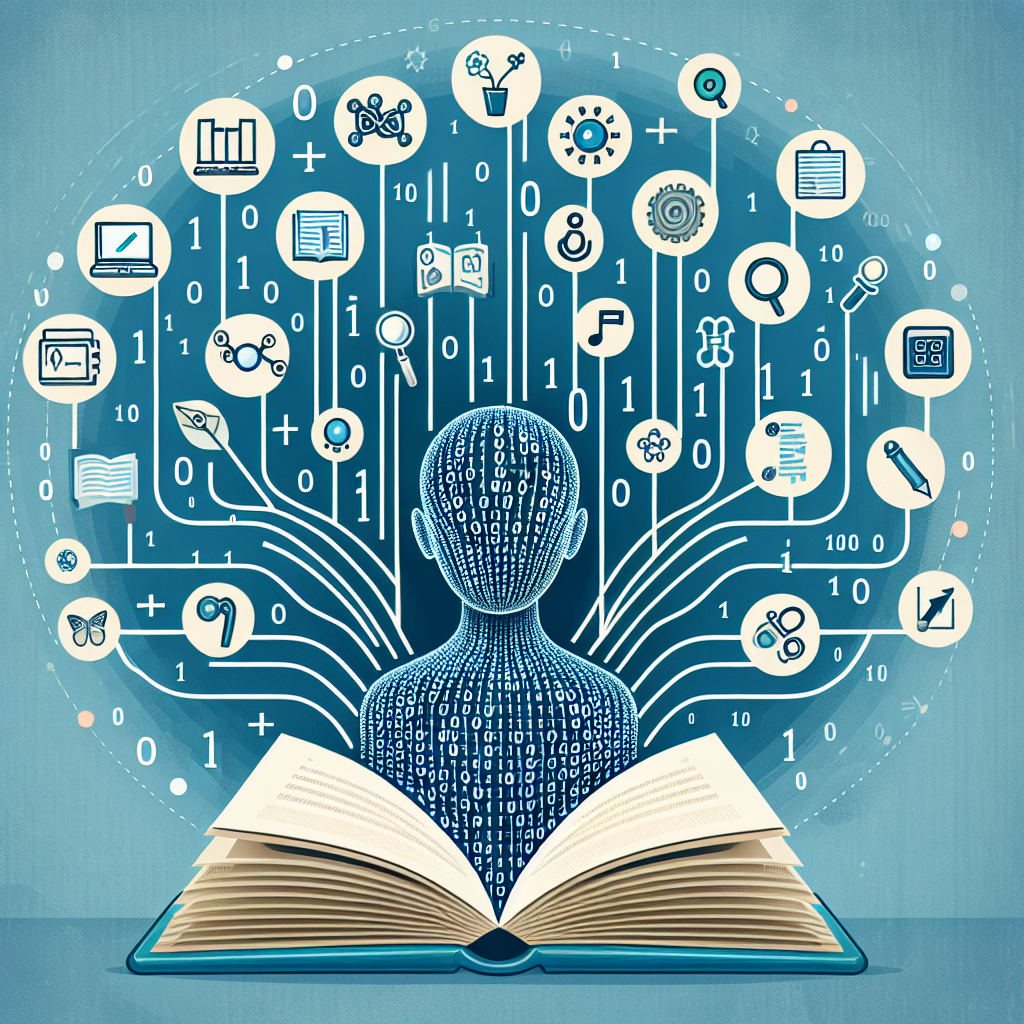
Artificial Intelligence (AI) is revolutionizing various industries, and education is no exception. The integration of AI technology in education has the potential to enhance learning experiences, provide personalized instruction, and improve overall student outcomes. In this article, we will explore the ways in which AI is being utilized in education, the benefits it offers, and the challenges it presents.
AI Development in Education
AI technology has the ability to analyze vast amounts of data and provide valuable insights that can be used to improve teaching methods and student learning. Some of the key ways in which AI is being used in education include:
– Personalized Learning: AI algorithms can analyze a student’s learning patterns, strengths, and weaknesses to create personalized learning plans. This allows students to learn at their own pace and focus on areas where they need the most help.
– Adaptive Learning: AI-powered software can adapt to a student’s progress and provide customized content based on their individual needs. This ensures that each student receives instruction that is tailored to their learning style and level of understanding.
– Virtual Assistants: AI chatbots and virtual assistants can provide students with instant access to information and support, helping them with homework assignments, answering questions, and providing feedback on their work.
– Grading and Assessment: AI technology can automate the grading and assessment process, freeing up teachers’ time to focus on providing more personalized instruction. AI-powered tools can also provide detailed insights into student performance, helping teachers identify areas where students may need additional support.
– Predictive Analytics: AI algorithms can analyze student data to predict future academic performance and identify students who may be at risk of falling behind. This allows educators to intervene early and provide targeted support to help students succeed.
Benefits of AI in Education
The integration of AI technology in education offers a wide range of benefits for students, teachers, and educational institutions. Some of the key benefits include:
– Personalized Instruction: AI technology can provide personalized instruction tailored to each student’s individual needs, allowing students to learn at their own pace and focus on areas where they need the most help.
– Improved Student Outcomes: By analyzing student data and providing targeted support, AI technology can help improve student outcomes and academic performance.
– Increased Efficiency: AI-powered tools can automate time-consuming tasks such as grading and assessment, freeing up teachers’ time to focus on providing more personalized instruction.
– Enhanced Learning Experiences: AI technology can create interactive and engaging learning experiences that help students retain information more effectively.
– Access to Resources: AI-powered tools can provide students with instant access to a wide range of educational resources, helping them learn new concepts and reinforce their understanding of key topics.
Challenges of AI in Education
While the integration of AI technology in education offers many benefits, there are also challenges that need to be addressed. Some of the key challenges include:
– Privacy Concerns: The use of AI technology in education raises concerns about student data privacy and security. Educational institutions must implement robust data protection measures to safeguard students’ personal information.
– Bias and Fairness: AI algorithms can be biased based on the data they are trained on, leading to unfair outcomes for certain groups of students. Educators must be mindful of these biases and take steps to mitigate them.
– Training and Support: Teachers and educators may require training and support to effectively integrate AI technology into their teaching practices. Educational institutions must invest in professional development programs to ensure that teachers are equipped to use AI tools effectively.
– Cost: Implementing AI technology in education can be costly, requiring investments in hardware, software, and training. Educational institutions must carefully consider the financial implications of adopting AI technology.
– Ethical Considerations: The use of AI technology in education raises ethical considerations, such as the impact of automation on teachers’ roles and the potential for AI to perpetuate inequalities in education. Educators must engage in thoughtful discussions about these ethical implications and ensure that AI technology is used in a responsible and equitable manner.
FAQs
Q: How can AI technology be used to enhance personalized learning in education?
A: AI algorithms can analyze student data to create personalized learning plans tailored to each student’s individual needs. This allows students to learn at their own pace and focus on areas where they need the most help.
Q: What are some examples of AI-powered tools that can be used in education?
A: Virtual assistants, adaptive learning software, and grading and assessment tools are examples of AI-powered tools that can be used in education to enhance learning experiences and provide personalized instruction.
Q: What steps can educational institutions take to address privacy concerns related to the use of AI technology in education?
A: Educational institutions can implement robust data protection measures, such as encryption and access controls, to safeguard students’ personal information. They can also provide students and parents with information about how their data is being used and seek their consent before collecting any personal information.
Q: How can educators ensure that AI technology is used in a fair and unbiased manner in education?
A: Educators must be mindful of biases that may exist in AI algorithms and take steps to mitigate them. This may include using diverse training data and regularly auditing AI systems to ensure that they are producing fair outcomes for all students.
In conclusion, AI technology has the potential to transform education by enhancing learning experiences, providing personalized instruction, and improving student outcomes. While there are challenges that need to be addressed, the benefits of integrating AI technology in education far outweigh the risks. By embracing AI technology and implementing it thoughtfully and responsibly, educational institutions can create a more engaging and effective learning environment for students.