
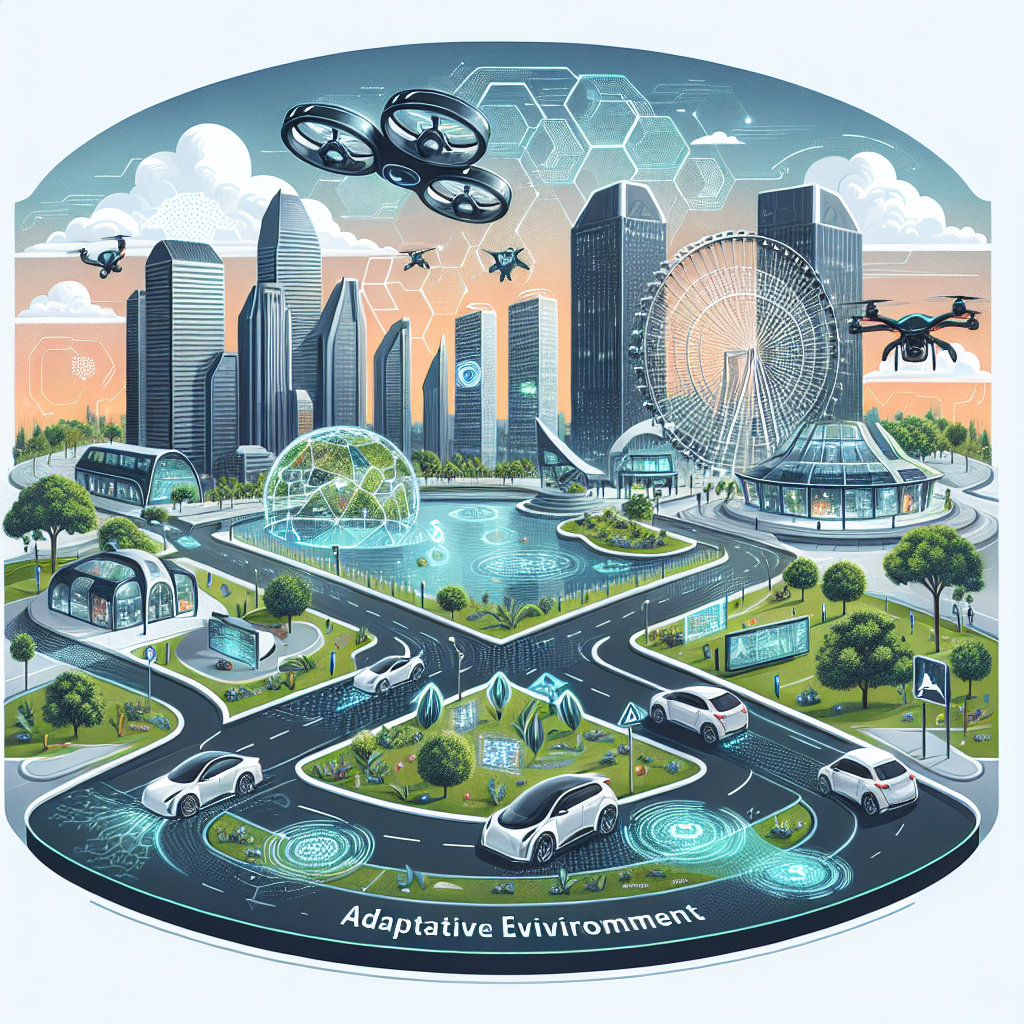
Advances in artificial intelligence (AI) technology have revolutionized the way we approach various aspects of our lives, including designing adaptive environments. Adaptive environments are spaces that can adjust and respond to the needs and preferences of their users, creating a more personalized and comfortable experience. AI-driven approaches to designing adaptive environments leverage machine learning algorithms and data analysis to create spaces that are more efficient, user-friendly, and environmentally sustainable.
In this article, we will explore the various ways in which AI is being used to design adaptive environments, the benefits of this approach, and some of the challenges that designers may face. We will also discuss some frequently asked questions about AI-driven design and adaptive environments.
AI in Designing Adaptive Environments
AI technology is being used in a variety of ways to create adaptive environments that can respond to the needs of their users. One of the key ways in which AI is being used is through the implementation of smart sensors and devices that can collect data about the environment and the people using it. For example, smart thermostats can monitor the temperature in a room and adjust it based on the preferences of the occupants, while smart lighting systems can adjust the brightness and color of the lights to create a more comfortable and productive environment.
Another way in which AI is being used in designing adaptive environments is through the use of predictive analytics. By analyzing data collected from sensors and other sources, AI algorithms can predict patterns and trends in user behavior, allowing designers to anticipate the needs and preferences of users and adjust the environment accordingly. For example, AI algorithms can predict when a room is likely to be occupied based on past patterns of use, allowing for the efficient use of resources such as heating and lighting.
AI is also being used to create more personalized and user-friendly interfaces in adaptive environments. By analyzing data about user preferences and behavior, AI algorithms can create interfaces that are tailored to the needs of individual users, making it easier for them to interact with and control their environment. For example, AI-driven interfaces can adjust the layout and functionality of a room based on the preferences of the user, making it easier for them to find and use the features they need.
Benefits of AI-Driven Design
There are several benefits to using AI-driven approaches to designing adaptive environments. One of the key benefits is the ability to create spaces that are more efficient and environmentally sustainable. By using AI algorithms to optimize the use of resources such as energy and water, designers can create spaces that are more cost-effective and environmentally friendly. For example, AI algorithms can adjust the temperature and lighting in a room based on occupancy patterns, reducing energy consumption and lowering utility costs.
Another benefit of AI-driven design is the ability to create more personalized and user-friendly environments. By analyzing data about user preferences and behavior, AI algorithms can create interfaces that are tailored to the needs of individual users, making it easier for them to interact with and control their environment. This can lead to a more comfortable and productive experience for users, as well as increased satisfaction and loyalty.
Challenges of AI-Driven Design
While there are many benefits to using AI-driven approaches to designing adaptive environments, there are also some challenges that designers may face. One of the key challenges is the need for large amounts of data to train AI algorithms effectively. Collecting and analyzing data about user behavior and preferences can be time-consuming and expensive, and designers may struggle to gather enough data to create accurate and reliable algorithms.
Another challenge is the potential for bias in AI algorithms. AI algorithms are only as good as the data they are trained on, and if this data is biased or incomplete, the algorithms may produce inaccurate or unfair results. Designers must be vigilant in ensuring that the data used to train AI algorithms is representative and unbiased, in order to create adaptive environments that are fair and inclusive.
FAQs
Q: How can AI-driven design improve the user experience in adaptive environments?
A: AI-driven design can improve the user experience in adaptive environments by creating spaces that are more efficient, user-friendly, and personalized. By analyzing data about user preferences and behavior, AI algorithms can create interfaces that are tailored to the needs of individual users, making it easier for them to interact with and control their environment.
Q: What are some examples of adaptive environments that use AI technology?
A: There are many examples of adaptive environments that use AI technology, including smart homes, offices, and public spaces. Smart thermostats, lighting systems, and security cameras are just a few examples of devices that use AI algorithms to create spaces that can adjust and respond to the needs of their users.
Q: What are some of the ethical considerations that designers should keep in mind when using AI technology in adaptive environments?
A: Designers should be mindful of the potential for bias in AI algorithms, as well as the need to protect user privacy and data security. It is important to ensure that the data used to train AI algorithms is representative and unbiased, and to implement robust security measures to protect user data from unauthorized access.
In conclusion, AI-driven approaches to designing adaptive environments have the potential to revolutionize the way we interact with and experience our built environment. By leveraging the power of AI technology, designers can create spaces that are more efficient, user-friendly, and environmentally sustainable. However, designers must also be mindful of the challenges and ethical considerations that come with using AI technology, in order to create adaptive environments that are fair, inclusive, and safe for all users.