
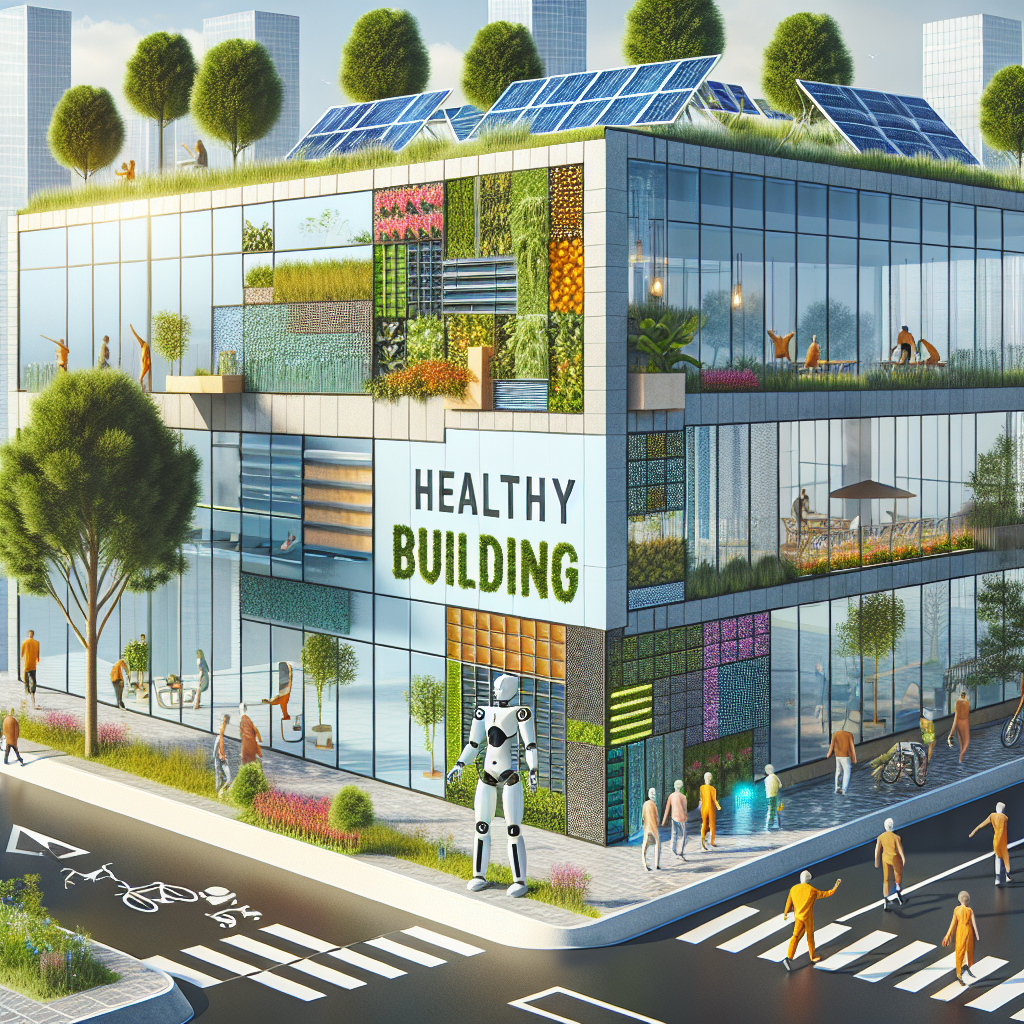
In recent years, the intersection of artificial intelligence (AI) and architecture has given rise to a new approach to designing healthy buildings. AI-driven approaches are revolutionizing the way architects and designers create spaces that promote health and well-being for their occupants. By leveraging the power of AI, architects can optimize building layouts, ventilation systems, and lighting designs to enhance indoor air quality, reduce energy consumption, and create a more comfortable and productive environment.
One of the key benefits of using AI in building design is the ability to analyze vast amounts of data to identify patterns and trends that can inform design decisions. For example, AI algorithms can analyze data on air quality, temperature, humidity, and occupancy levels to optimize HVAC systems for better indoor air quality and energy efficiency. AI can also be used to simulate and predict how changes in the building design will impact factors such as natural light exposure, thermal comfort, and noise levels.
Another advantage of AI-driven design is the ability to personalize building environments to meet the specific needs of different users. By collecting data on occupants’ preferences, habits, and health conditions, AI can tailor building features such as lighting, temperature, and acoustics to create a more comfortable and productive workspace. This personalized approach can improve occupant satisfaction and well-being, leading to higher productivity and lower rates of absenteeism.
AI can also be used to optimize building layouts and configurations to maximize natural light exposure and views of nature, which have been shown to have a positive impact on mental health and well-being. By analyzing data on site conditions, building orientation, and local climate patterns, AI algorithms can generate design options that enhance daylighting and views while minimizing energy consumption.
In addition to improving indoor environmental quality, AI-driven design can also help architects and designers create more sustainable and resilient buildings. By analyzing data on energy usage, water consumption, and material choices, AI can optimize building performance to reduce environmental impact and operating costs. AI can also be used to predict and mitigate the impact of natural disasters and climate change on building performance, making buildings more resilient and adaptable to changing environmental conditions.
Overall, AI-driven approaches to designing healthy buildings offer a range of benefits, from improved indoor environmental quality and occupant well-being to increased sustainability and resilience. By harnessing the power of AI, architects and designers can create buildings that not only look good but also support the health and well-being of their occupants.
FAQs:
Q: How does AI improve indoor air quality in buildings?
A: AI can analyze data on air quality, temperature, humidity, and occupancy levels to optimize HVAC systems for better indoor air quality and energy efficiency. By monitoring and adjusting ventilation systems in real time, AI can maintain optimal air quality levels and reduce the risk of indoor air pollutants.
Q: Can AI help reduce energy consumption in buildings?
A: Yes, AI can analyze data on energy usage, building occupancy, and environmental conditions to optimize building performance and reduce energy consumption. By adjusting lighting, heating, and cooling systems based on real-time data, AI can minimize energy waste and lower operating costs.
Q: How does AI personalize building environments for occupants?
A: AI can collect data on occupants’ preferences, habits, and health conditions to tailor building features such as lighting, temperature, and acoustics to meet their specific needs. By creating a more personalized and comfortable environment, AI can improve occupant satisfaction and well-being.
Q: How does AI optimize building layouts for natural light exposure?
A: AI can analyze data on site conditions, building orientation, and local climate patterns to generate design options that maximize natural light exposure and views of nature. By optimizing building layouts and configurations, AI can enhance daylighting and views while minimizing energy consumption.