
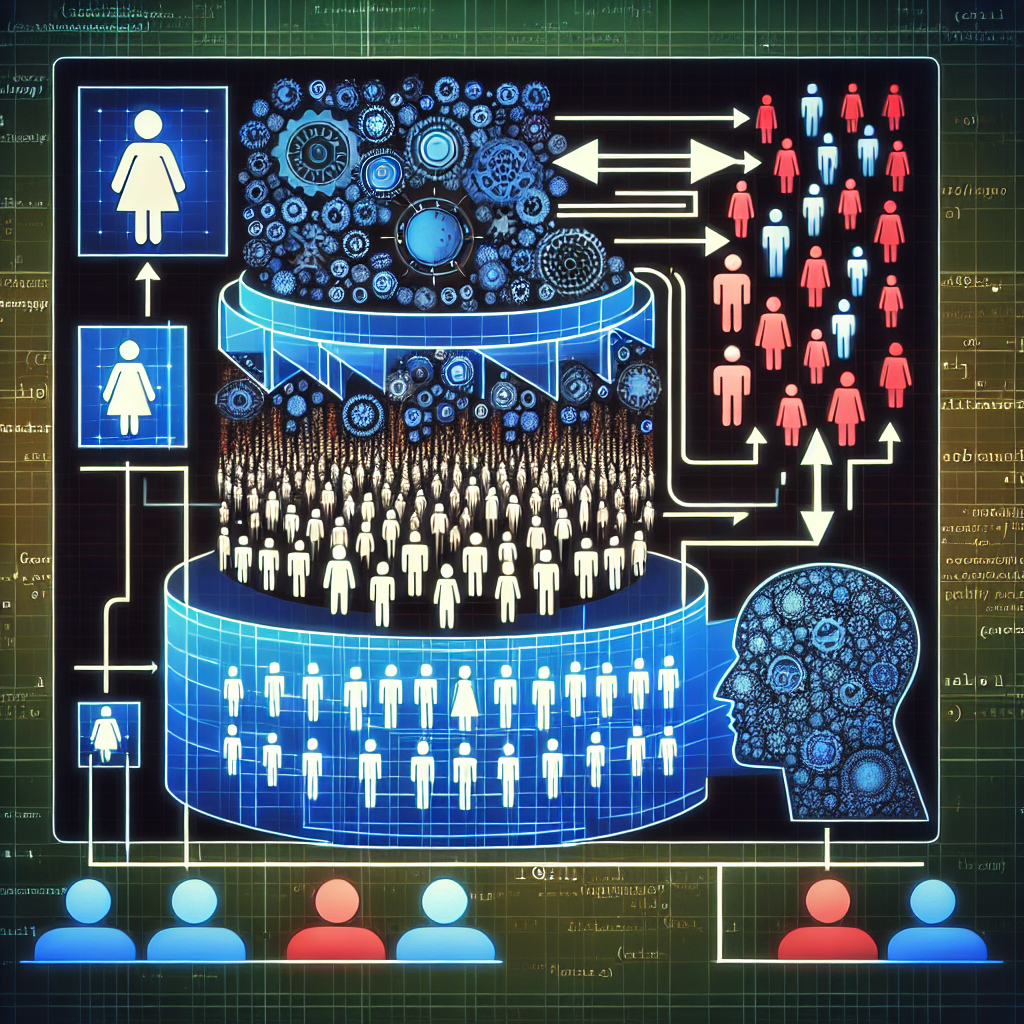
In today’s digital age, customer segmentation is a crucial aspect of marketing strategy. By dividing customers into distinct groups based on their characteristics and behaviors, businesses can tailor their marketing efforts to better meet the needs and preferences of each segment. This personalized approach not only increases customer engagement and satisfaction but also drives higher conversion rates and ROI.
With the advancement of artificial intelligence (AI) technology, customer segmentation has become even more sophisticated and effective. AI-driven customer segmentation allows businesses to analyze vast amounts of data in real-time, identify patterns and trends, and create highly targeted and personalized marketing campaigns. In this article, we will explore the benefits of AI-driven customer segmentation for personalized marketing and how businesses can leverage this technology to drive success.
Benefits of AI-Driven Customer Segmentation for Personalized Marketing:
1. Improved Accuracy and Precision: AI algorithms can analyze large datasets with speed and accuracy, enabling businesses to segment customers based on a wide range of variables such as demographics, behavior, purchase history, and preferences. This level of precision ensures that marketing campaigns are targeted to the right audience, increasing the likelihood of success.
2. Real-Time Insights: AI technology can process data in real-time, allowing businesses to respond to customer behavior and preferences instantly. This means that businesses can deliver personalized marketing messages at the right time and through the right channels, maximizing the impact of their campaigns.
3. Enhanced Customer Experience: By understanding their customers’ needs and preferences, businesses can create personalized experiences that resonate with each segment. This level of customization not only increases customer engagement but also fosters loyalty and long-term relationships with customers.
4. Increased ROI: AI-driven customer segmentation enables businesses to optimize their marketing spend by targeting high-value customers with relevant offers and promotions. By focusing on the most profitable segments, businesses can maximize their ROI and drive revenue growth.
5. Scalability: AI technology can handle large volumes of data and automate the segmentation process, making it scalable for businesses of all sizes. Whether a business has hundreds or millions of customers, AI-driven customer segmentation can provide valuable insights and drive personalized marketing efforts.
How Businesses Can Leverage AI-Driven Customer Segmentation:
1. Data Collection and Integration: The first step in leveraging AI-driven customer segmentation is to collect and integrate data from various sources such as CRM systems, social media platforms, website analytics, and third-party data providers. By consolidating data into a single platform, businesses can gain a comprehensive view of their customers and identify key segmentation variables.
2. AI Algorithms and Models: Businesses can use AI algorithms and models to analyze customer data and identify patterns, trends, and relationships. By applying machine learning techniques such as clustering, classification, and regression, businesses can segment customers based on their characteristics and behaviors.
3. Personalized Marketing Campaigns: Once customer segments have been identified, businesses can create personalized marketing campaigns tailored to each segment. By delivering targeted messages and offers, businesses can increase customer engagement and drive conversions.
4. A/B Testing and Optimization: Businesses can use A/B testing to measure the effectiveness of different marketing messages and offers for each customer segment. By testing and optimizing campaigns based on real-time data, businesses can improve their marketing ROI and customer engagement.
5. Customer Feedback and Iteration: AI-driven customer segmentation is an iterative process that requires businesses to continuously collect customer feedback, analyze results, and refine segmentation strategies. By listening to customer input and adapting marketing campaigns accordingly, businesses can ensure that their efforts remain relevant and effective.
FAQs:
Q: How does AI-driven customer segmentation differ from traditional segmentation methods?
A: Traditional segmentation methods rely on manual analysis and limited variables, whereas AI-driven customer segmentation uses advanced algorithms to analyze vast amounts of data in real-time and identify complex patterns and trends.
Q: Can AI-driven customer segmentation be applied to all industries?
A: Yes, AI-driven customer segmentation can be applied to a wide range of industries, including retail, e-commerce, finance, healthcare, and more. Any business that collects customer data can benefit from AI-driven segmentation.
Q: What are some common challenges in implementing AI-driven customer segmentation?
A: Some common challenges in implementing AI-driven customer segmentation include data quality issues, privacy concerns, and the need for specialized skills and resources. Businesses must address these challenges to ensure the success of their segmentation efforts.
Q: How can businesses measure the effectiveness of AI-driven customer segmentation?
A: Businesses can measure the effectiveness of AI-driven customer segmentation by tracking key performance indicators such as conversion rates, customer engagement, and ROI. By analyzing these metrics, businesses can assess the impact of their segmentation strategies and make informed decisions for future campaigns.
In conclusion, AI-driven customer segmentation is a powerful tool that enables businesses to create personalized marketing campaigns that resonate with their customers. By leveraging AI technology to analyze data, identify customer segments, and deliver targeted messages, businesses can improve customer engagement, drive conversions, and increase ROI. With the right strategy and tools in place, businesses can unlock the full potential of AI-driven customer segmentation and achieve marketing success in today’s competitive landscape.