
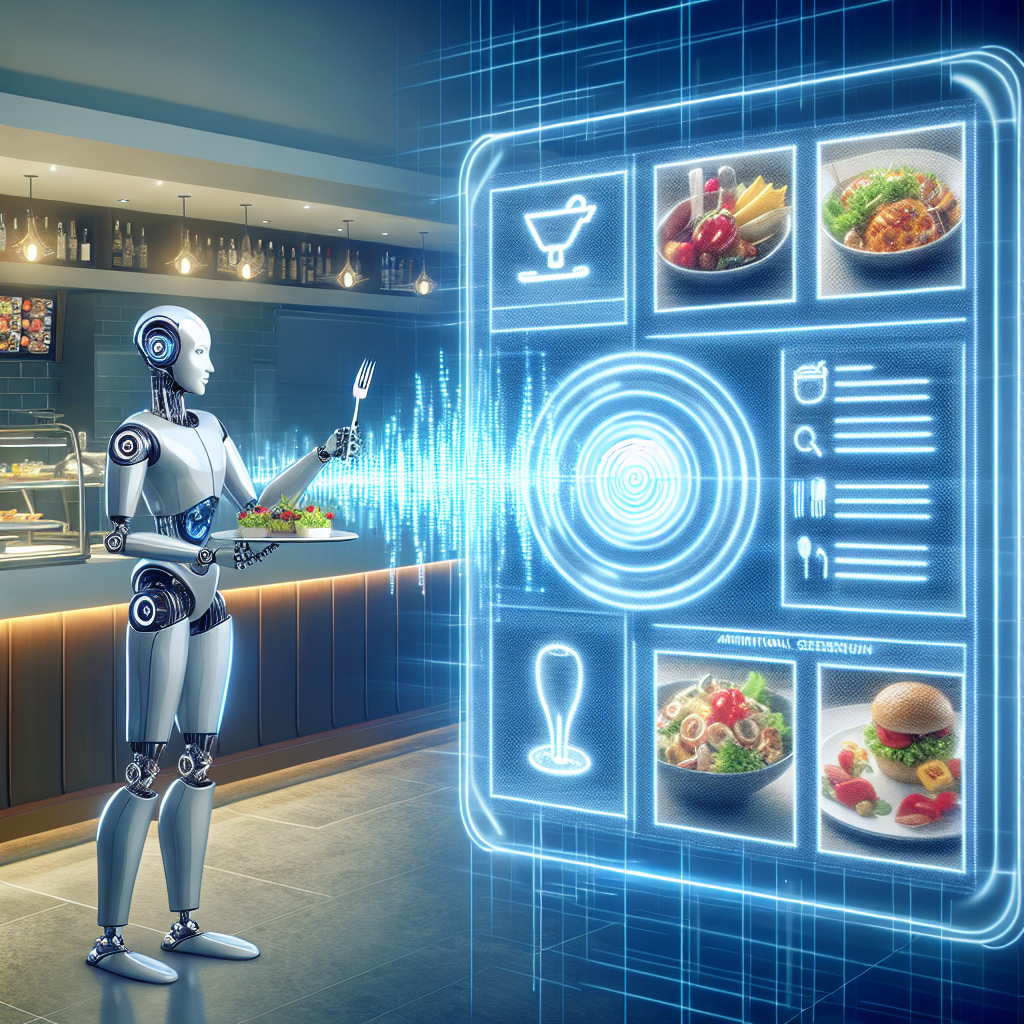
Artificial Intelligence (AI) is rapidly transforming the way that food and beverage services are delivered in hotels. From automated ordering systems to personalized menu recommendations, AI is revolutionizing the guest experience and helping hotels improve efficiency, reduce costs, and increase customer satisfaction. In this article, we will explore the various ways in which AI is being used in the food and beverage industry, and how it is reshaping the way hotels provide dining services to their guests.
AI-driven Food and Beverage Services in Hotels
1. Automated Ordering Systems: One of the most common applications of AI in food and beverage services is the use of automated ordering systems. These systems allow guests to place orders through a digital interface, such as a tablet or smartphone, without the need for human interaction. AI algorithms can analyze guest preferences and past orders to provide personalized menu recommendations, making it easier for guests to find dishes they will enjoy. Automated ordering systems can also help hotels reduce wait times and improve order accuracy, leading to a more efficient and seamless dining experience for guests.
2. Predictive Analytics: AI can also be used to analyze data and predict trends in food and beverage consumption. By analyzing factors such as guest demographics, weather patterns, and seasonal trends, hotels can optimize their menu offerings and pricing strategies to better meet guest demand. Predictive analytics can help hotels reduce food waste, improve inventory management, and increase revenue by offering the right products at the right time.
3. Virtual Concierge Services: AI-powered virtual concierge services can provide guests with personalized recommendations for dining options, based on their preferences and dietary restrictions. These services can help guests discover new restaurants, make reservations, and even order room service without the need to interact with hotel staff. Virtual concierge services can enhance the guest experience by providing tailored dining recommendations and ensuring that guests have a memorable and enjoyable dining experience during their stay.
4. Voice-Activated Assistants: Voice-activated assistants, such as Amazon’s Alexa or Google Assistant, are increasingly being integrated into hotel rooms to provide guests with hands-free access to information and services. Guests can use voice commands to order room service, request restaurant recommendations, or make reservations, making it easier and more convenient for them to access food and beverage services during their stay. Voice-activated assistants can also be used to provide guests with information about menu items, ingredients, and allergens, helping them make informed decisions about their dining options.
5. Robotics and Automation: Some hotels are incorporating robotics and automation into their food and beverage services to improve efficiency and reduce labor costs. Robots can be used to deliver room service orders, prepare drinks, or even cook meals in hotel kitchens. Automation technologies can help hotels streamline their operations, reduce errors, and provide faster service to guests. While robots cannot replace human interaction entirely, they can complement existing staff and enhance the overall guest experience by providing quick and reliable service.
Frequently Asked Questions (FAQs)
1. How does AI improve the guest experience in hotels?
AI can help hotels provide personalized recommendations, streamline ordering processes, and offer faster and more efficient service to guests. By analyzing guest data and preferences, AI algorithms can tailor menu offerings, suggest relevant dining options, and anticipate guest needs, leading to a more enjoyable and memorable dining experience for guests.
2. Are AI-driven food and beverage services replacing human staff in hotels?
While AI technologies can automate certain tasks and improve efficiency, they are not intended to replace human staff entirely. AI is meant to complement existing staff and enhance the guest experience by providing personalized service and streamlining operations. Human interaction and hospitality are still essential components of the hotel industry, and AI is used to support and enhance these interactions, rather than replace them.
3. How can hotels ensure data privacy and security when using AI in food and beverage services?
Hotels must comply with data privacy regulations and ensure that guest information is protected when using AI technologies. Hotels should implement secure data storage practices, use encryption technologies, and obtain guest consent before collecting and using their data. It is essential to work with reputable AI providers and ensure that data is handled in a transparent and ethical manner to maintain trust with guests.
4. What are the potential challenges of implementing AI in food and beverage services in hotels?
Some of the challenges of implementing AI in food and beverage services include the initial cost of investment, staff training, and the need for ongoing maintenance and updates. Hotels must also ensure that AI technologies are user-friendly, reliable, and accurate to provide a seamless guest experience. Additionally, hotels must address concerns about data privacy, security, and ethical considerations when using AI technologies in their operations.
In conclusion, AI-driven food and beverage services are transforming the way that hotels provide dining options to their guests. From automated ordering systems to predictive analytics and virtual concierge services, AI technologies are enhancing the guest experience, improving efficiency, and increasing customer satisfaction. By leveraging the power of AI, hotels can optimize their food and beverage services, reduce costs, and deliver personalized dining experiences that meet the evolving needs and preferences of their guests.