
Introduction
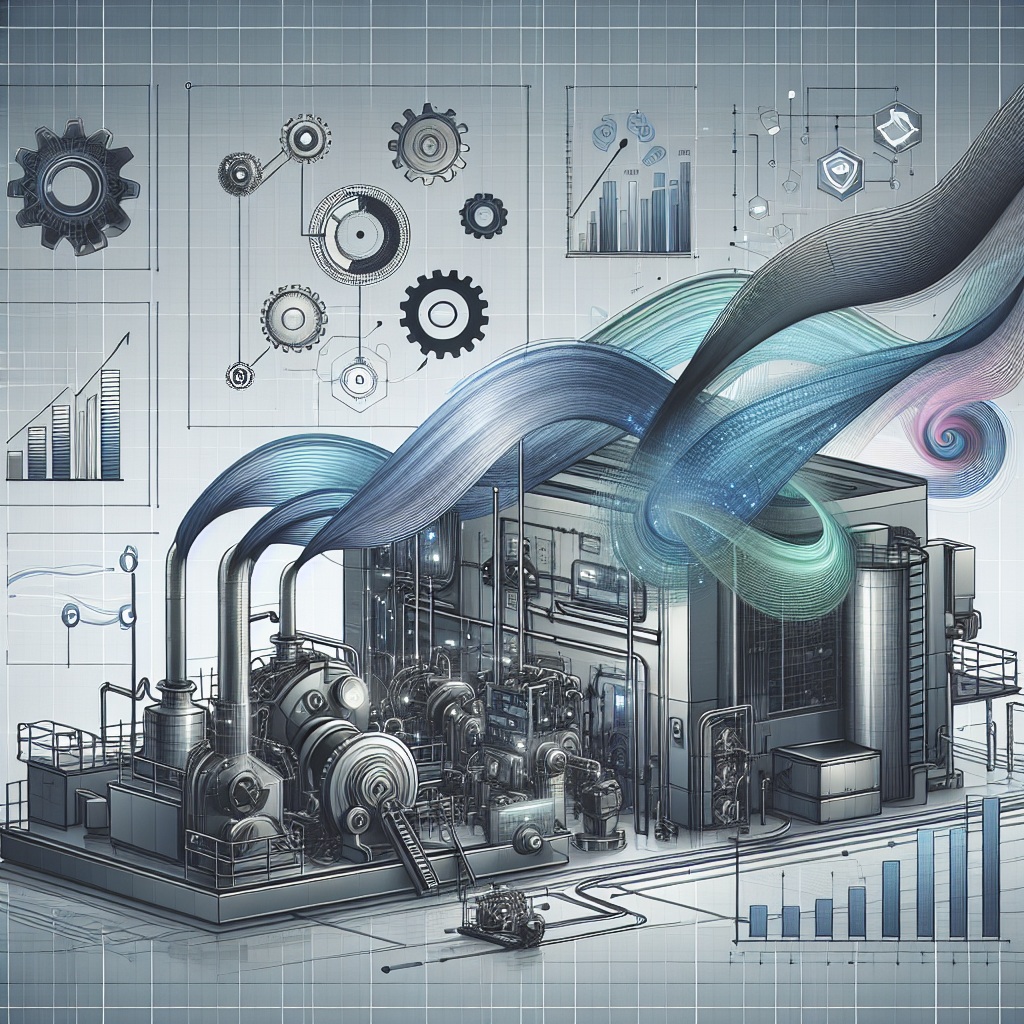
In the manufacturing industry, heavy machinery plays a crucial role in ensuring smooth operations and production efficiency. However, breakdowns and unplanned downtime can be costly and disruptive to operations. This is where predictive maintenance powered by artificial intelligence (AI) comes in. By leveraging AI-driven predictive maintenance, manufacturers can proactively monitor the health of their machinery, predict potential failures, and schedule maintenance tasks before a breakdown occurs.
What is AI-Driven Predictive Maintenance?
AI-driven predictive maintenance is a proactive approach to maintenance that uses advanced analytics and machine learning algorithms to predict when a piece of machinery is likely to fail. By analyzing historical data, sensor readings, and other relevant information, AI algorithms can identify patterns and anomalies that indicate potential issues with the machinery.
This predictive capability allows maintenance teams to schedule maintenance tasks at the most optimal times, reducing downtime and increasing overall equipment effectiveness (OEE). By moving from a reactive to a proactive maintenance approach, manufacturers can save on maintenance costs, extend the lifespan of their equipment, and improve overall operational efficiency.
Benefits of AI-Driven Predictive Maintenance for Heavy Machinery in Manufacturing
1. Improved Equipment Reliability: By predicting potential failures before they occur, AI-driven predictive maintenance can help manufacturers prevent breakdowns and unplanned downtime, leading to improved equipment reliability and availability.
2. Cost Savings: Proactively scheduling maintenance tasks based on AI predictions can help manufacturers reduce maintenance costs, as well as minimize the need for expensive emergency repairs and replacements.
3. Increased Operational Efficiency: By minimizing downtime and optimizing maintenance schedules, AI-driven predictive maintenance can help manufacturers improve overall operational efficiency and productivity.
4. Extended Equipment Lifespan: By taking a proactive approach to maintenance, manufacturers can extend the lifespan of their equipment and maximize their return on investment.
5. Enhanced Safety: Predictive maintenance can help identify potential safety hazards and prevent accidents before they occur, ensuring a safe working environment for employees.
Implementing AI-Driven Predictive Maintenance in Manufacturing
To implement AI-driven predictive maintenance for heavy machinery in manufacturing, manufacturers need to follow these key steps:
1. Data Collection: The first step in implementing predictive maintenance is to collect relevant data from sensors, equipment readings, maintenance logs, and other sources. This data will be used to train AI algorithms and predict potential failures.
2. Data Analysis: Once the data is collected, manufacturers can use advanced analytics and machine learning algorithms to analyze the data and identify patterns and anomalies that indicate potential issues with the machinery.
3. Predictive Modeling: Based on the data analysis, manufacturers can build predictive models that can forecast when a piece of machinery is likely to fail. These models can help maintenance teams schedule maintenance tasks at the most optimal times.
4. Integration with Maintenance Systems: To fully leverage predictive maintenance, manufacturers need to integrate AI algorithms with their existing maintenance systems and processes. This integration will enable maintenance teams to receive alerts and notifications based on AI predictions and take proactive action to prevent failures.
5. Continuous Improvement: Predictive maintenance is an ongoing process that requires continuous monitoring, analysis, and refinement. Manufacturers should regularly review and update their predictive models to ensure they are accurate and effective in predicting potential failures.
Frequently Asked Questions (FAQs)
Q: What types of data are used in AI-driven predictive maintenance?
A: Data used in predictive maintenance can include sensor readings, equipment logs, maintenance records, and historical data on equipment failures.
Q: How accurate are AI predictions in predictive maintenance?
A: The accuracy of AI predictions in predictive maintenance can vary depending on the quality of the data and the effectiveness of the predictive models. However, AI algorithms have been shown to outperform traditional maintenance approaches in terms of accuracy and reliability.
Q: How can manufacturers justify the investment in AI-driven predictive maintenance?
A: Manufacturers can justify the investment in predictive maintenance by considering the cost savings, improved equipment reliability, increased operational efficiency, and extended equipment lifespan that AI-driven predictive maintenance can provide.
Q: Is AI-driven predictive maintenance suitable for all types of heavy machinery?
A: AI-driven predictive maintenance can be applied to a wide range of heavy machinery in manufacturing, including pumps, motors, compressors, and conveyors. However, the effectiveness of predictive maintenance may vary depending on the complexity of the machinery and the availability of relevant data.
Q: How can manufacturers get started with AI-driven predictive maintenance?
A: Manufacturers can get started with AI-driven predictive maintenance by partnering with AI solution providers, investing in AI tools and technologies, and training their maintenance teams on how to leverage AI algorithms for predictive maintenance.
Conclusion
AI-driven predictive maintenance is revolutionizing the way manufacturers manage their heavy machinery in manufacturing. By leveraging advanced analytics and machine learning algorithms, manufacturers can proactively monitor the health of their equipment, predict potential failures, and schedule maintenance tasks at the most optimal times. The benefits of AI-driven predictive maintenance include improved equipment reliability, cost savings, increased operational efficiency, extended equipment lifespan, and enhanced safety. By following key steps such as data collection, analysis, predictive modeling, integration with maintenance systems, and continuous improvement, manufacturers can successfully implement AI-driven predictive maintenance and reap the rewards of a proactive maintenance approach.