
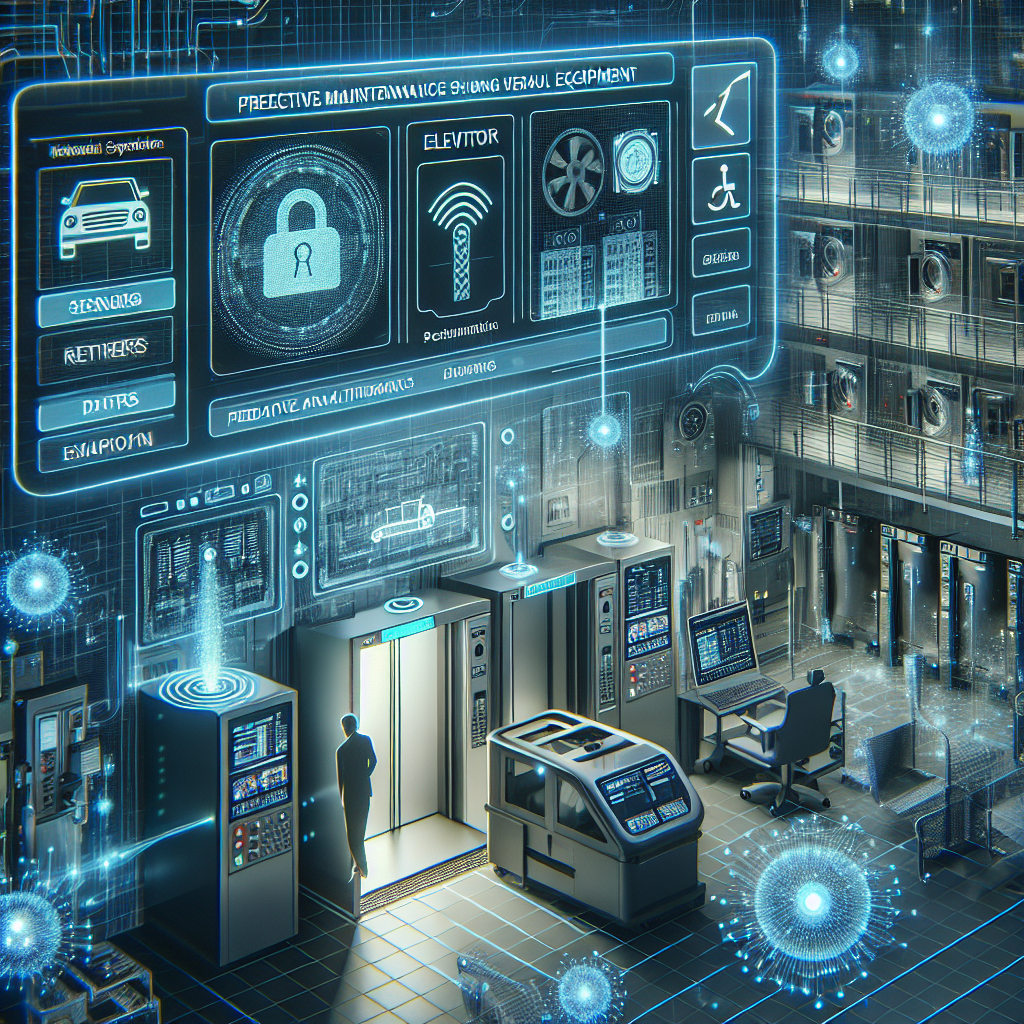
In the hospitality industry, ensuring that hotel equipment is functioning properly is crucial to providing a positive guest experience. From HVAC systems to kitchen appliances, hotel equipment plays a key role in the comfort and satisfaction of guests during their stay. However, managing and maintaining this equipment can be a complex and time-consuming task for hotel staff.
This is where AI-driven predictive maintenance comes in. By leveraging the power of artificial intelligence and machine learning, hotels can proactively monitor and maintain their equipment to prevent breakdowns and optimize performance. This technology allows hoteliers to predict when equipment is likely to fail, enabling them to schedule maintenance in advance and avoid costly downtime.
How AI-driven Predictive Maintenance Works
AI-driven predictive maintenance works by collecting and analyzing data from sensors installed on hotel equipment. These sensors monitor various parameters such as temperature, pressure, vibration, and energy consumption, providing real-time insights into the health of the equipment. Machine learning algorithms then analyze this data to identify patterns and trends that indicate when a piece of equipment is likely to fail.
By continuously monitoring equipment performance and analyzing historical data, AI-driven predictive maintenance can predict when maintenance is needed with a high degree of accuracy. This allows hotel staff to schedule maintenance during off-peak hours or when the equipment is not in use, minimizing disruption to guests and maximizing operational efficiency.
Benefits of AI-driven Predictive Maintenance for Hotels
There are several benefits to implementing AI-driven predictive maintenance in hotels:
1. Reduced Downtime: By predicting when equipment is likely to fail, hotels can proactively schedule maintenance to prevent breakdowns and minimize downtime. This ensures that guests are not inconvenienced by malfunctioning equipment and helps hotels maintain a positive reputation.
2. Cost Savings: Preventive maintenance is often less expensive than reactive maintenance, as it allows hotels to address issues before they escalate into costly repairs. By optimizing maintenance schedules and reducing the risk of equipment failure, hotels can save money on repairs and extend the lifespan of their equipment.
3. Improved Efficiency: AI-driven predictive maintenance helps hotels optimize their maintenance processes by identifying which equipment needs attention and when. This allows staff to focus their efforts on the most critical areas, improving operational efficiency and reducing unnecessary maintenance tasks.
4. Enhanced Guest Experience: By ensuring that hotel equipment is functioning properly, AI-driven predictive maintenance can enhance the overall guest experience. Guests will appreciate the comfort and convenience of well-maintained facilities, leading to higher satisfaction and positive reviews.
FAQs about AI-driven Predictive Maintenance for Hotel Equipment
Q: What types of equipment can benefit from AI-driven predictive maintenance in hotels?
A: AI-driven predictive maintenance can be applied to a wide range of hotel equipment, including HVAC systems, refrigeration units, kitchen appliances, elevators, and lighting systems.
Q: How does AI-driven predictive maintenance differ from traditional maintenance practices?
A: Traditional maintenance practices are often reactive, meaning that maintenance is performed in response to equipment failures. AI-driven predictive maintenance, on the other hand, is proactive and uses data analytics to predict when maintenance is needed before a breakdown occurs.
Q: How long does it take to implement AI-driven predictive maintenance in a hotel?
A: The implementation timeline for AI-driven predictive maintenance can vary depending on the size of the hotel and the complexity of its equipment. In general, it can take several months to set up the necessary sensors, collect and analyze data, and train machine learning algorithms.
Q: Is AI-driven predictive maintenance expensive to implement?
A: While there are upfront costs associated with implementing AI-driven predictive maintenance, such as purchasing sensors and software, the long-term benefits often outweigh the initial investment. By reducing downtime, minimizing repairs, and optimizing maintenance schedules, hotels can save money in the long run.
Q: How can hotels get started with AI-driven predictive maintenance?
A: Hotels interested in implementing AI-driven predictive maintenance should first assess their equipment needs and identify which systems would benefit from predictive maintenance. They can then work with a technology provider to design and implement a customized predictive maintenance solution tailored to their specific requirements.
In conclusion, AI-driven predictive maintenance offers a powerful tool for hotels to monitor and maintain their equipment more effectively. By leveraging the capabilities of artificial intelligence and machine learning, hotels can predict when maintenance is needed, reduce downtime, and enhance the overall guest experience. With the potential to save costs, improve efficiency, and optimize maintenance practices, AI-driven predictive maintenance is a valuable investment for hotels looking to stay ahead in a competitive industry.