
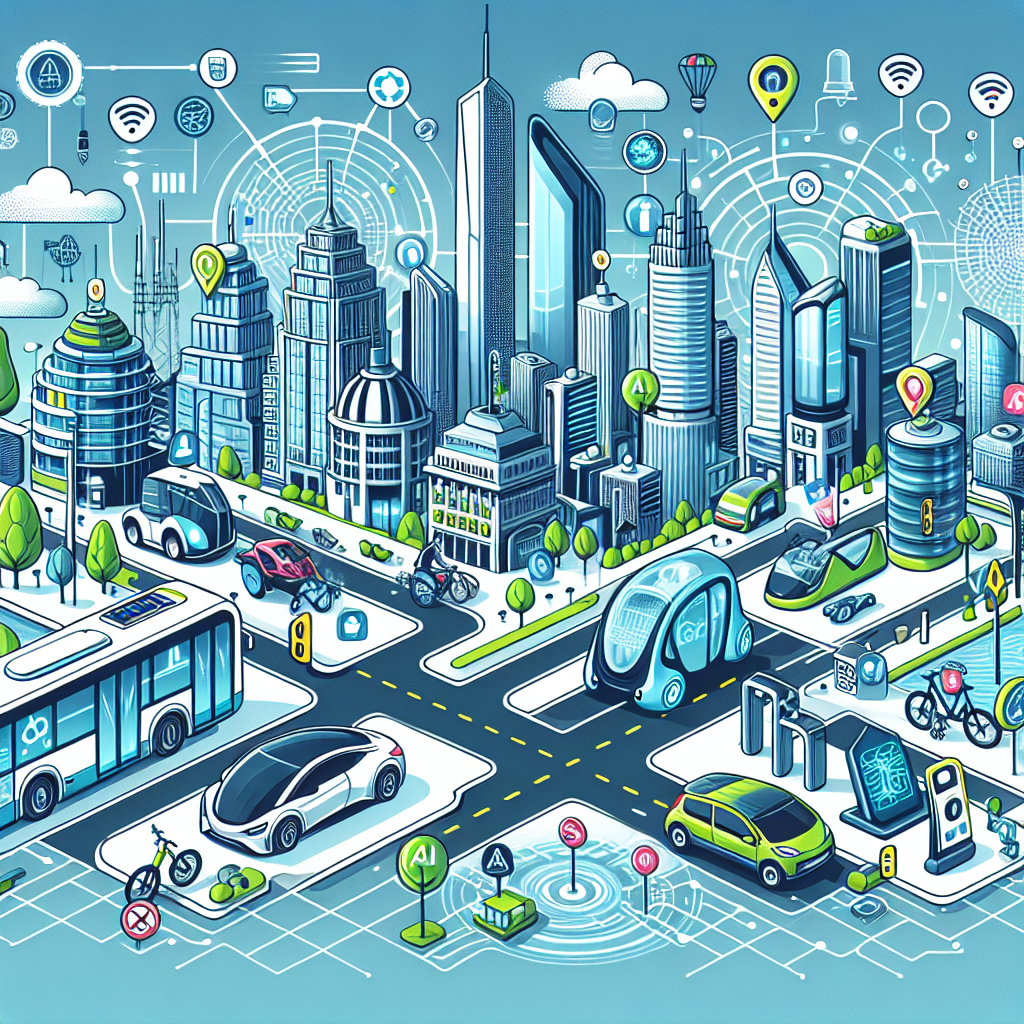
AI-Driven Smart Cities and Transportation
In recent years, the concept of smart cities has become increasingly popular as urban areas look for ways to improve efficiency, sustainability, and quality of life for their residents. One key aspect of smart cities is the use of artificial intelligence (AI) to optimize various systems and services, including transportation. AI-driven smart cities are revolutionizing the way people move around urban areas, with benefits ranging from reduced congestion and pollution to improved safety and accessibility.
AI technology is being used in various ways to enhance transportation systems in smart cities. One of the most common applications is traffic management, where AI algorithms analyze real-time data from sensors, cameras, and other sources to optimize traffic flow, reduce congestion, and improve safety. For example, AI can adjust traffic signal timings based on current traffic conditions, predict traffic patterns, and even detect accidents or other incidents in real-time to reroute traffic accordingly.
Another important application of AI in transportation is in public transit systems. AI algorithms can be used to optimize bus routes, predict demand, and improve scheduling to provide more efficient and reliable service to passengers. This can help reduce waiting times, increase ridership, and ultimately make public transit a more attractive option for residents.
AI is also being used to enhance the safety and security of transportation systems in smart cities. For example, AI-powered video analytics can be used to monitor traffic cameras and detect unusual or suspicious activities, such as accidents, unauthorized vehicles, or even potential security threats. This can help authorities respond more quickly to emergencies and ensure the safety of both passengers and pedestrians.
In addition to improving efficiency and safety, AI-driven smart cities are also focusing on sustainability. By using AI to optimize transportation systems, cities can reduce emissions, decrease fuel consumption, and promote the use of alternative modes of transportation, such as public transit, cycling, and walking. This can help combat climate change, improve air quality, and create a more sustainable urban environment for everyone.
Overall, AI-driven smart cities are transforming the way we think about transportation and urban mobility. By harnessing the power of AI technology, cities can create more efficient, sustainable, and user-friendly transportation systems that benefit residents, businesses, and the environment alike.
FAQs
Q: What are some examples of AI applications in transportation?
A: Some examples of AI applications in transportation include traffic management, public transit optimization, safety and security monitoring, and sustainability initiatives.
Q: How does AI help improve traffic flow in smart cities?
A: AI algorithms analyze real-time data from sensors and cameras to optimize traffic signal timings, predict traffic patterns, and detect accidents or incidents to reroute traffic accordingly, resulting in reduced congestion and improved traffic flow.
Q: How can AI enhance public transit systems?
A: AI can optimize bus routes, predict demand, and improve scheduling to provide more efficient and reliable service to passengers, reducing waiting times and increasing ridership.
Q: How does AI contribute to the safety and security of transportation systems?
A: AI-powered video analytics can monitor traffic cameras to detect unusual activities, accidents, unauthorized vehicles, or security threats, allowing authorities to respond quickly to emergencies and ensure the safety of passengers and pedestrians.
Q: What are the benefits of AI-driven smart cities for transportation?
A: Benefits include reduced congestion, improved safety, increased efficiency, enhanced sustainability, and a more user-friendly urban environment for residents and businesses.