
Introduction
Ports play a crucial role in global trade, serving as hubs for the movement of goods between countries. With the increasing volume of container traffic, ports are constantly faced with the challenge of optimizing their operations to ensure efficient handling of containers. One of the key areas where optimization is needed is container management, as it directly impacts the flow of goods through the port.
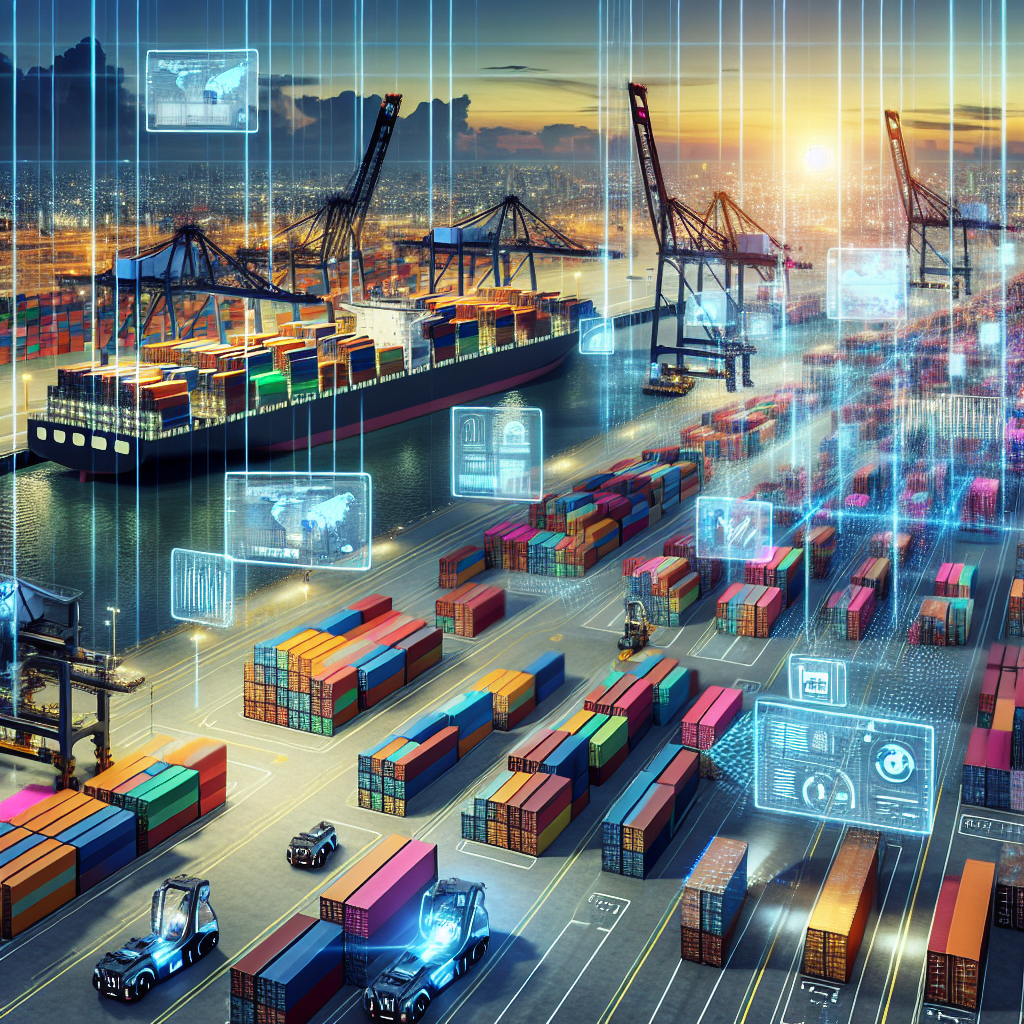
AI-driven solutions have emerged as a powerful tool for optimizing container management in ports. By harnessing the power of artificial intelligence, port operators can make better decisions in real-time, leading to improved efficiency, reduced costs, and enhanced overall performance. In this article, we will explore the various AI-driven solutions available for container optimization in ports and their benefits.
AI-Driven Solutions for Container Optimization
1. Predictive Maintenance
One of the key challenges in port operations is the maintenance of container handling equipment. Downtime due to equipment failure can have a significant impact on port efficiency and lead to delays in container handling. AI-driven predictive maintenance solutions use machine learning algorithms to analyze data from sensors on equipment to predict when maintenance is required. By identifying potential issues before they occur, port operators can proactively schedule maintenance, reducing downtime and ensuring smooth operations.
2. Container Tracking and Visibility
AI-driven solutions can provide real-time tracking and visibility of containers as they move through the port. By integrating data from various sources, such as RFID tags, GPS trackers, and sensors, port operators can accurately monitor the location and status of containers at all times. This visibility enables better planning and decision-making, leading to more efficient container handling and reduced delays.
3. Dynamic Container Yard Management
Container yards are a critical part of port operations, where containers are stored, sorted, and transferred between different modes of transportation. AI-driven solutions can optimize yard management by dynamically allocating space based on real-time demand, container characteristics, and other factors. By maximizing the use of available space and minimizing handling times, ports can improve throughput and reduce congestion in the yard.
4. Automated Container Inspection
AI-driven solutions can automate the inspection of containers for compliance with safety and security regulations. By using computer vision and machine learning algorithms, these systems can quickly analyze images of containers to detect anomalies, such as damage or unauthorized access. Automated inspection reduces the time and resources required for manual inspections, while improving the accuracy and consistency of results.
5. Predictive Analytics for Container Traffic
AI-driven predictive analytics can forecast container traffic volumes based on historical data, market trends, and other factors. By predicting future demand, ports can optimize resource allocation, staffing levels, and equipment usage to meet expected container volumes. This proactive approach helps ports avoid bottlenecks and delays, ensuring smooth operations even during peak periods.
Benefits of AI-Driven Solutions for Container Optimization
1. Improved Efficiency: AI-driven solutions enable ports to make data-driven decisions in real-time, leading to faster and more efficient container handling operations.
2. Cost Savings: By optimizing resource allocation and reducing downtime, AI-driven solutions help ports lower operating costs and improve overall profitability.
3. Enhanced Security: Automated container inspection and tracking solutions improve security by quickly detecting any suspicious activities or unauthorized access to containers.
4. Better Planning: Predictive analytics and dynamic yard management solutions enable ports to plan ahead and allocate resources more effectively, reducing delays and congestion.
5. Increased Throughput: AI-driven solutions optimize container handling processes, leading to higher throughput and faster turnaround times for vessels.
FAQs
Q: How do AI-driven solutions improve container optimization in ports?
A: AI-driven solutions use advanced algorithms to analyze data, predict trends, and optimize resource allocation, leading to improved efficiency, reduced costs, and enhanced security in port operations.
Q: Are AI-driven solutions suitable for all types of ports?
A: Yes, AI-driven solutions can be customized to meet the specific needs and requirements of different types of ports, regardless of their size or location.
Q: What are the key challenges in implementing AI-driven solutions for container optimization in ports?
A: The main challenges include data integration, system integration, staff training, and ensuring data security and privacy.
Q: How can port operators get started with implementing AI-driven solutions for container optimization?
A: Port operators can start by identifying their specific needs and goals, evaluating available solutions, and partnering with experienced vendors or consultants to implement AI-driven solutions effectively.
Conclusion
AI-driven solutions offer a powerful way to optimize container management in ports, leading to improved efficiency, reduced costs, and enhanced security. By harnessing the power of artificial intelligence, port operators can make better decisions in real-time, leading to smoother operations and faster turnaround times for vessels. With the increasing volume of container traffic, AI-driven solutions are becoming essential tools for ports looking to stay competitive and meet the demands of the global supply chain.