
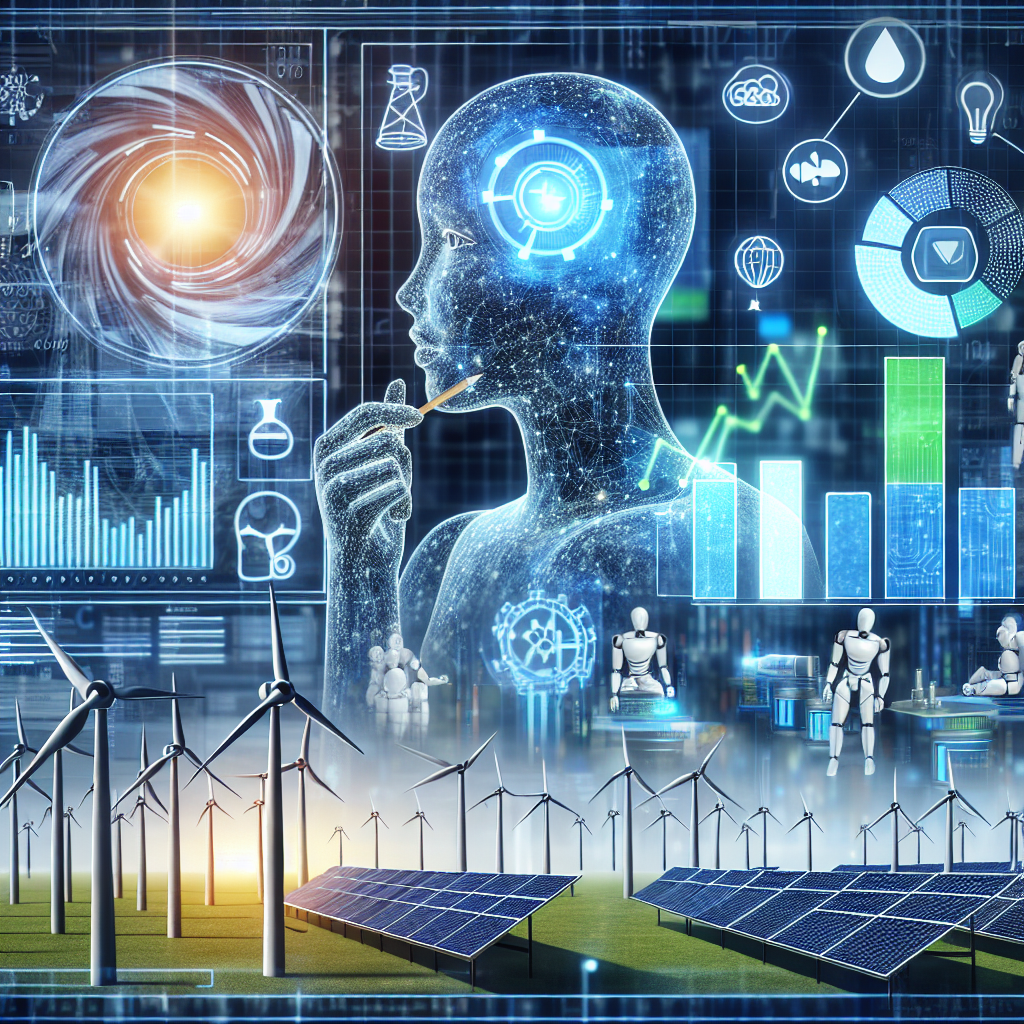
AI-Driven Solutions for Renewable Energy Market Simulation
The renewable energy market is growing rapidly as countries around the world strive to reduce their reliance on fossil fuels and transition to cleaner, more sustainable sources of power. However, the integration of renewable energy sources into the grid presents unique challenges, such as variability in generation and the need to balance supply and demand in real-time. This is where AI-driven solutions come into play, offering advanced tools for simulating and optimizing renewable energy markets.
Artificial intelligence (AI) technologies, such as machine learning and optimization algorithms, have the potential to revolutionize the way we manage and operate renewable energy systems. By leveraging vast amounts of data and sophisticated modeling techniques, AI can help predict energy production, optimize grid operations, and facilitate the integration of renewable energy sources into the existing power system. In this article, we will explore the role of AI-driven solutions in renewable energy market simulation and discuss their potential benefits and applications.
Benefits of AI-driven solutions for renewable energy market simulation
AI-driven solutions offer several key benefits for simulating and optimizing renewable energy markets, including:
1. Improved forecasting accuracy: One of the main challenges in integrating renewable energy sources into the grid is their variable and uncertain nature. AI technologies can analyze historical data, weather patterns, and other relevant factors to develop more accurate forecasts of energy production from renewable sources. This can help grid operators better anticipate fluctuations in supply and demand and optimize their operations accordingly.
2. Enhanced grid stability and reliability: AI algorithms can optimize the dispatch of renewable energy sources in real-time, taking into account factors such as weather conditions, grid constraints, and market prices. By balancing supply and demand more effectively, AI-driven solutions can improve grid stability and reliability, reducing the risk of blackouts and other disruptions.
3. Cost savings and revenue generation: AI-driven solutions can help energy market participants optimize their energy trading strategies, maximize revenue from renewable energy assets, and minimize operational costs. By leveraging AI algorithms to make data-driven decisions, companies can improve their bottom line and gain a competitive advantage in the market.
4. Scalability and flexibility: AI-driven solutions are highly scalable and can be customized to meet the specific needs of different energy market participants, from utilities and grid operators to renewable energy developers and investors. Whether simulating the impact of new renewable energy projects on the grid or optimizing the dispatch of energy storage systems, AI technologies offer a flexible and versatile tool for addressing a wide range of challenges in the renewable energy market.
Applications of AI-driven solutions for renewable energy market simulation
AI-driven solutions have a wide range of applications in simulating and optimizing renewable energy markets, including:
1. Energy forecasting: AI algorithms can analyze historical data, weather patterns, and other relevant factors to develop accurate forecasts of energy production from renewable sources, such as solar and wind. These forecasts can help grid operators and energy market participants better anticipate fluctuations in supply and demand, optimize their trading strategies, and improve grid operations.
2. Grid optimization: AI algorithms can optimize the dispatch of renewable energy sources in real-time, taking into account factors such as weather conditions, grid constraints, and market prices. By balancing supply and demand more effectively, AI-driven solutions can help improve grid stability and reliability, reduce operational costs, and maximize revenue from renewable energy assets.
3. Market simulation: AI-driven solutions can simulate the behavior of energy markets under different scenarios, such as changes in renewable energy penetration, market prices, and regulatory policies. By modeling the interactions between market participants, AI technologies can help forecast market trends, identify potential risks and opportunities, and inform strategic decision-making.
4. Asset management: AI technologies can optimize the performance of renewable energy assets, such as solar panels, wind turbines, and energy storage systems, by analyzing real-time data, identifying performance issues, and recommending maintenance actions. By leveraging AI-driven solutions for asset management, energy market participants can maximize the value of their investments and extend the lifespan of their assets.
FAQs about AI-driven solutions for renewable energy market simulation
Q: What is the role of AI in renewable energy market simulation?
A: AI technologies, such as machine learning and optimization algorithms, play a crucial role in simulating and optimizing renewable energy markets. By leveraging vast amounts of data and sophisticated modeling techniques, AI can help predict energy production, optimize grid operations, and facilitate the integration of renewable energy sources into the existing power system.
Q: How can AI-driven solutions improve forecasting accuracy in the renewable energy market?
A: AI algorithms can analyze historical data, weather patterns, and other relevant factors to develop more accurate forecasts of energy production from renewable sources. By improving forecasting accuracy, AI-driven solutions can help grid operators better anticipate fluctuations in supply and demand and optimize their operations accordingly.
Q: What are the main benefits of using AI-driven solutions for renewable energy market simulation?
A: AI-driven solutions offer several key benefits, including improved forecasting accuracy, enhanced grid stability and reliability, cost savings and revenue generation, and scalability and flexibility. By leveraging AI technologies, energy market participants can optimize their trading strategies, maximize revenue from renewable energy assets, and minimize operational costs.
Q: What are some of the main applications of AI-driven solutions for renewable energy market simulation?
A: AI-driven solutions have a wide range of applications, including energy forecasting, grid optimization, market simulation, and asset management. By leveraging AI algorithms, energy market participants can develop accurate forecasts of energy production, optimize the dispatch of renewable energy sources, simulate market behavior under different scenarios, and optimize the performance of renewable energy assets.
In conclusion, AI-driven solutions have the potential to revolutionize the way we manage and operate renewable energy systems. By leveraging advanced modeling techniques and vast amounts of data, AI technologies can help predict energy production, optimize grid operations, and facilitate the integration of renewable energy sources into the existing power system. With their ability to improve forecasting accuracy, enhance grid stability and reliability, and optimize trading strategies, AI-driven solutions offer a powerful tool for addressing the unique challenges of the renewable energy market. As the renewable energy market continues to grow, AI technologies will play an increasingly important role in shaping its future trajectory and driving innovation in the industry.