
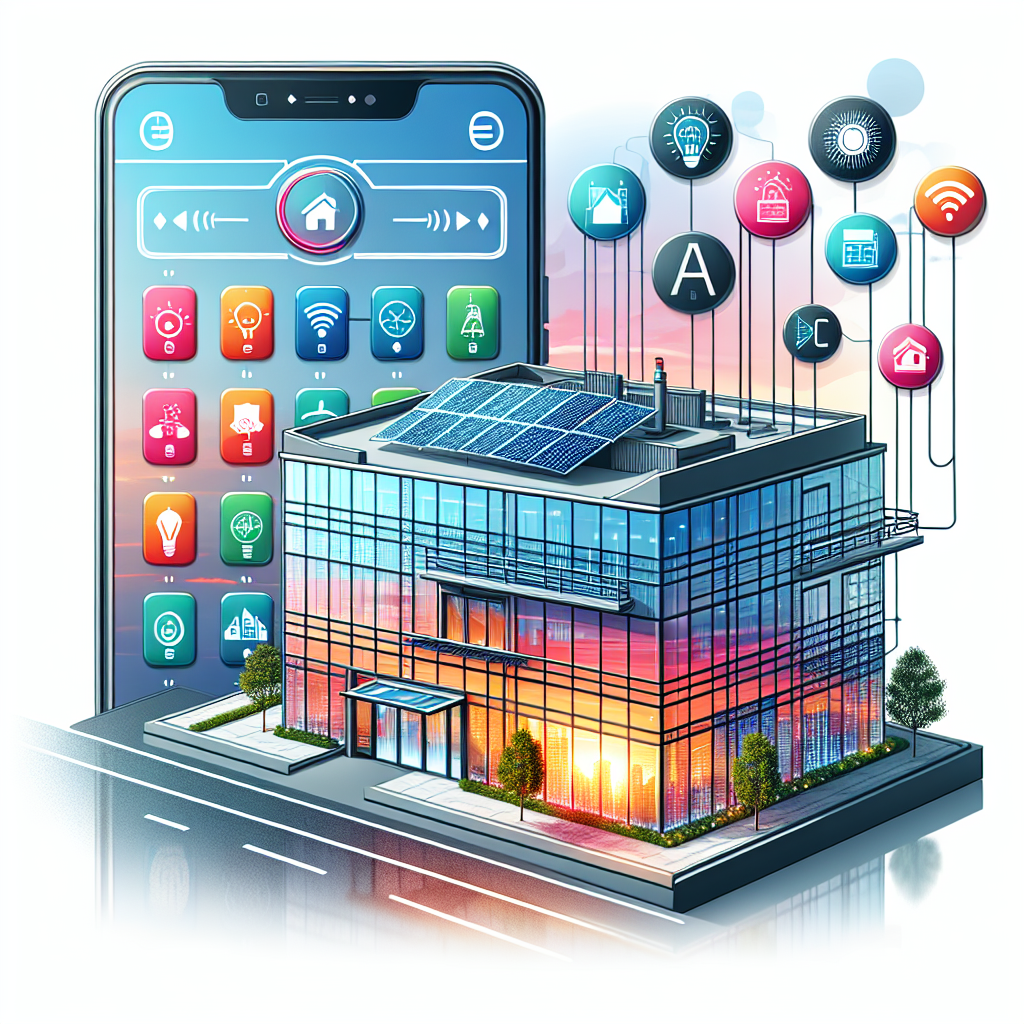
In recent years, artificial intelligence (AI) has revolutionized the way we live and work. One area where AI is making a significant impact is in smart building automation. By harnessing the power of AI, building owners and managers can improve energy efficiency, reduce operational costs, and enhance the overall occupant experience. In this article, we will explore the various AI-driven solutions for smart building automation and discuss their benefits and challenges.
AI-driven solutions for smart building automation utilize advanced algorithms and machine learning techniques to optimize building operations. These solutions can analyze vast amounts of data in real-time, allowing buildings to adapt to changing conditions and make informed decisions. Some of the key AI-driven solutions for smart building automation include:
1. Predictive maintenance: AI can analyze historical data and sensor readings to predict when equipment is likely to fail. By identifying potential issues before they occur, building owners can schedule maintenance proactively, reducing downtime and extending the lifespan of equipment.
2. Energy management: AI can optimize energy usage by analyzing occupancy patterns, weather forecasts, and energy prices. By adjusting heating, cooling, lighting, and other systems in real-time, buildings can reduce energy consumption and lower utility costs.
3. Indoor air quality monitoring: AI-driven sensors can continuously monitor indoor air quality and alert building managers to potential issues such as high levels of CO2 or VOCs. By maintaining optimal indoor air quality, buildings can improve occupant health and productivity.
4. Space optimization: AI can analyze occupancy data to optimize space utilization, reduce wasted space, and improve the overall layout of a building. By reconfiguring spaces based on real-time occupancy patterns, building owners can maximize efficiency and create a more flexible work environment.
5. Security and access control: AI can enhance security by analyzing video feeds, identifying suspicious behavior, and alerting security personnel to potential threats. AI-driven access control systems can also streamline the entry and exit process for building occupants, improving overall security and convenience.
Benefits of AI-driven solutions for smart building automation:
1. Improved energy efficiency: By optimizing building operations in real-time, AI-driven solutions can reduce energy consumption and lower utility costs.
2. Enhanced occupant experience: AI-driven solutions can create a more comfortable and productive environment for building occupants by adjusting lighting, temperature, and ventilation based on occupancy patterns.
3. Reduced maintenance costs: Predictive maintenance algorithms can help building owners schedule maintenance proactively, reducing downtime and extending the lifespan of equipment.
4. Increased security: AI-driven security systems can monitor building entrances and exits, identify potential threats, and alert security personnel to suspicious behavior.
Challenges of AI-driven solutions for smart building automation:
1. Data privacy concerns: AI-driven solutions rely on vast amounts of data to make informed decisions, raising concerns about data privacy and security.
2. Integration with existing systems: Implementing AI-driven solutions in a building can be complex, especially if existing systems are outdated or incompatible with new technologies.
3. Initial investment costs: While AI-driven solutions can provide significant long-term savings, the initial investment costs can be prohibitive for some building owners.
4. Training and education: Building managers and maintenance staff may require training to understand and effectively utilize AI-driven solutions, adding to the overall implementation costs.
FAQs:
1. How can AI-driven solutions improve energy efficiency in buildings?
AI-driven solutions can optimize energy usage by analyzing occupancy patterns, weather forecasts, and energy prices. By adjusting heating, cooling, lighting, and other systems in real-time, buildings can reduce energy consumption and lower utility costs.
2. Are AI-driven solutions secure?
AI-driven solutions can enhance security by analyzing video feeds, identifying suspicious behavior, and alerting security personnel to potential threats. However, data privacy concerns may arise due to the vast amount of data required for AI algorithms.
3. What are the benefits of predictive maintenance using AI?
Predictive maintenance using AI can help building owners schedule maintenance proactively, reducing downtime and extending the lifespan of equipment. By identifying potential issues before they occur, building owners can save on maintenance costs and improve operational efficiency.
4. How can building managers integrate AI-driven solutions into existing systems?
Building managers may need to work with technology providers and consultants to integrate AI-driven solutions into existing systems. This may require upgrades to outdated systems or the implementation of new technologies that are compatible with AI algorithms.
In conclusion, AI-driven solutions for smart building automation offer numerous benefits, including improved energy efficiency, enhanced occupant experience, reduced maintenance costs, and increased security. While there are challenges to implementing these solutions, the long-term savings and operational improvements make AI-driven automation an attractive option for building owners and managers looking to optimize their operations. By leveraging the power of AI, buildings can become smarter, more efficient, and more sustainable in the years to come.